
 Roy Suryo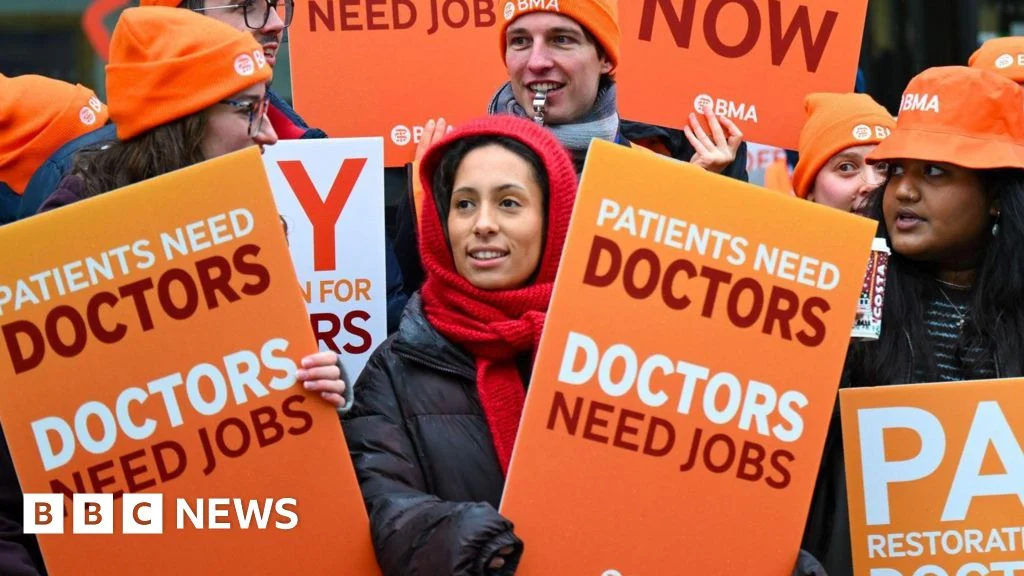
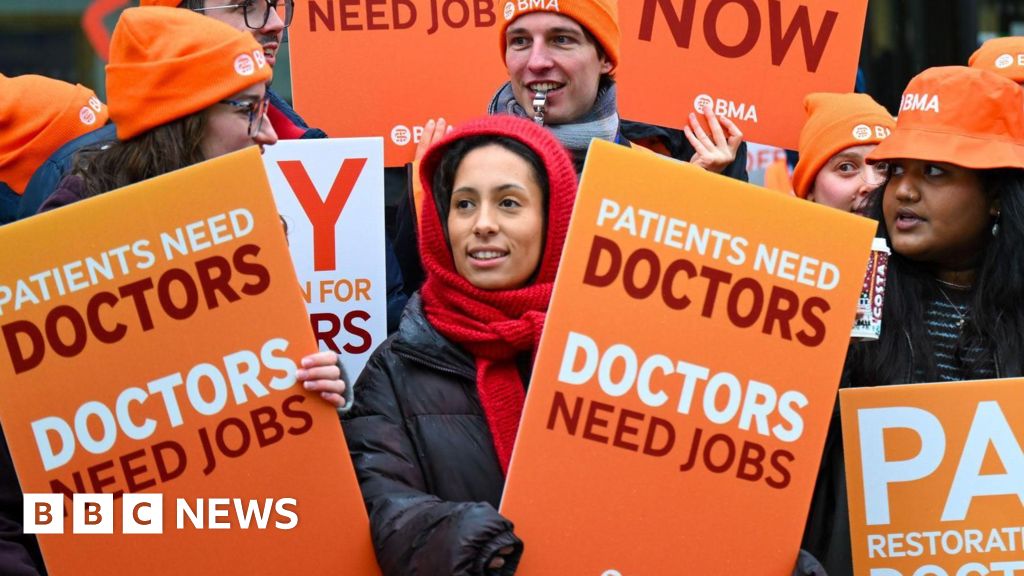
Resident doctors in England are set to embark on their longest-ever strike, a substantial six-day walkout scheduled to commence at 07:00 GMT on April 7th. This significant industrial action by the British Medical Association (BMA) follows the collapse of protracted negotiations between the doctors’ union and the government, a process that had spanned over two months since the beginning of the year. The BMA has declared that the decision to strike was necessitated by the government’s perceived failure to adequately address their core demands regarding pay restoration and the pervasive issue of widespread job shortages within the National Health Service (NHS). This impending strike marks the fifteenth instance of industrial action by junior doctors since March 2023, underscoring the deepening and persistent nature of the dispute over their working conditions and remuneration.
The BMA’s decision to escalate to a six-day strike, the most extensive single period of industrial action in the ongoing dispute, reflects a profound level of frustration and disillusionment among its members. For years, junior doctors have been campaigning for a fair and competitive pay package, arguing that their current remuneration has not kept pace with inflation and the increasing demands placed upon them. They contend that their salaries have been significantly eroded over the past decade, leading to a decline in morale and making the profession less attractive to new entrants. The union has consistently highlighted that a substantial pay rise, which they argue would restore doctors’ pay to 2008 levels, is crucial not only for the retention of existing medical staff but also for attracting a new generation of doctors to the NHS. The BMA claims that the government’s offers have consistently fallen short of what is considered a fair and equitable settlement, creating a chasm between the union’s expectations and the government’s proposals.
Beyond pay, the issue of staff shortages looms large as a critical driver of this industrial action. The NHS is grappling with an unprecedented staffing crisis, with an alarming number of vacant posts across various specialties and grades. Junior doctors, who form the backbone of many hospital departments, are feeling the immense pressure of working understaffed conditions. This often translates into excessive working hours, increased stress, burnout, and a compromised ability to provide the highest quality of patient care. The BMA asserts that the government has not presented a credible or sufficiently ambitious plan to recruit and retain doctors, exacerbating the existing workload and contributing to a cycle of understaffing. They argue that without a comprehensive strategy to address these shortages, the long-term sustainability and effectiveness of the NHS are at severe risk.
The timing of this announcement is particularly significant, occurring just as the NHS begins to navigate the complex challenges of increasing demand coupled with a fragile operational capacity. The six-day strike is expected to cause substantial disruption to routine services, including scheduled appointments, non-urgent surgeries, and diagnostic procedures. While emergency care will continue to be provided, albeit potentially with increased waiting times and strain on remaining staff, the cumulative impact on patient care and the wider healthcare system is a serious concern. Hospitals are already operating at high occupancy levels, and the withdrawal of a significant portion of the medical workforce will inevitably place immense pressure on the remaining doctors, nurses, and other healthcare professionals.
The BMA has stressed that the decision to strike was not taken lightly and represents a last resort after exhaustive attempts to reach a resolution through dialogue. The union’s leadership has repeatedly called for a constructive engagement with the government, emphasizing their willingness to find a pragmatic solution that safeguards the future of the NHS. However, they have expressed disappointment with what they perceive as a lack of genuine willingness from the government to meaningfully address the core issues of pay and staffing. The prolonged nature of the dispute, marked by multiple rounds of talks and preceding strike actions, has only served to deepen the divide and amplify the sense of impasse.
Government representatives, meanwhile, have consistently reiterated their commitment to the NHS and their desire for a swift resolution. They have often pointed to the significant financial pressures facing the public sector and have argued that the BMA’s demands are unaffordable. The government has also highlighted the pay increases already offered and the ongoing efforts to recruit more doctors and healthcare professionals through various initiatives. However, these assurances have not been sufficient to sway the BMA, which maintains that the current offers do not reflect the value of the work performed by junior doctors and do not adequately address the scale of the staffing crisis. The government has also expressed concerns about the impact of prolonged industrial action on patient care and the economy, urging the union to return to the negotiating table with a more flexible approach.
The public, while largely sympathetic to the plight of doctors and the challenges facing the NHS, often finds itself caught in the middle of these disputes. The disruption caused by strikes can lead to anxiety, inconvenience, and longer waiting times for essential treatments. However, the underlying issues of fair pay and adequate staffing are widely recognized as critical for the long-term health of the healthcare system. The BMA’s strategy of prolonged strikes is a tactic aimed at increasing pressure on the government to find a resolution, but it also carries the risk of alienating public support if the disruption becomes too severe.
Looking ahead, the prospect of a six-day strike looms large over the NHS, raising concerns about patient safety, staff well-being, and the overall capacity of the health service. The breakdown in talks signifies a critical juncture in this protracted dispute, with both sides appearing entrenched in their positions. The coming weeks will be crucial in determining whether a breakthrough can be achieved before the strike action commences, or if England’s doctors will indeed proceed with their longest-ever walkout, further intensifying the challenges facing the National Health Service. The underlying issues of pay erosion and chronic understaffing are deeply systemic, and finding a sustainable solution will require significant political will, financial investment, and a genuine commitment to valuing the contributions of medical professionals. The BMA’s continued insistence on substantial pay restoration and concrete action on staffing shortages suggests that anything less than a significant shift in the government’s stance is unlikely to avert further industrial unrest. The nation watches with bated breath as this critical standoff between doctors and government unfolds, with the future of healthcare in England hanging precariously in the balance. The resolution of this dispute will undoubtedly shape the landscape of the NHS for years to come, impacting both the lives of patients and the working conditions of those dedicated to their care. The economic implications of such prolonged industrial action, including the cost of covering striking doctors and the potential loss of productivity, are also significant considerations that add another layer of complexity to this ongoing saga. The BMA’s determination to press ahead with the six-day strike underscores the depth of their conviction that the current situation is unsustainable and that only decisive action will force the necessary changes.




 Nakalama John
 atisusanti
 Ramos Leo
