
 Roy Suryo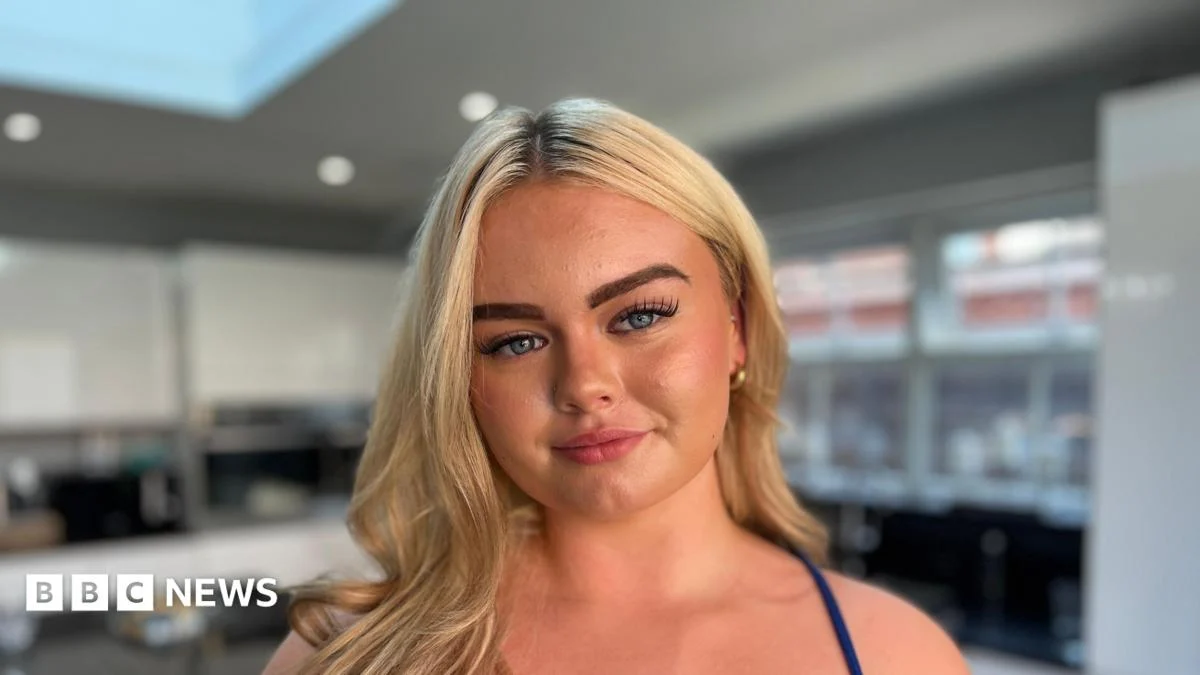
The pervasive and often dismissed reality of endometriosis in adolescents is starkly illuminated by the experience of 13-year-old Grace, whose journey to diagnosis was fraught with disbelief from medical professionals. Grace’s frustration stems from a deeply rooted perception within the medical community that teenagers and adolescents are too young to suffer from this debilitating condition. Her initial encounters with her General Practitioner and the first private consultant she saw proved fruitless, with neither offering a diagnosis. The most disheartening aspect for Grace was even a specialist’s scepticism: “Even a specialist didn’t believe me. And if a specialist won’t listen to me, who will?” It was only after her family’s persistent advocacy for a second private opinion that Grace finally received a positive diagnosis, underscoring a systemic failure to recognise endometriosis in younger individuals.
Endometriosis, a condition where tissue similar to the lining of the womb proliferates outside of it, can inflict severe symptoms including debilitating pelvic pain, excessively heavy periods, and profound fatigue. NHS data indicates that approximately 10% of women are affected by this condition. This statistic, however, fails to capture the significant, often overlooked, prevalence among younger demographics. The gravity of this oversight is further amplified by the recent revelation from BBC presenter Emma Barnett, who shared her experience of undergoing a hysterectomy due to endometriosis, a procedure she never desired.
The development of endometriosis is not confined to a specific age bracket; it can manifest once menstruation begins, regardless of how early or late in life that occurs. A common and dangerous misconception is that only older women are susceptible to this disease, a notion vehemently refuted by the charity Endometriosis UK. Faye Farthing, a spokesperson for the charity, stresses the urgent need for enhanced menstrual health education targeted at young people. She asserts that such improvements are crucial for the government, the NHS, and healthcare practitioners to ensure "the next generation are not robbed of the future they deserve."
The diagnostic pathway for endometriosis is notoriously lengthy. For older women, the average time to diagnosis can stretch to an astonishing nine years. This delay is often exacerbated in younger patients, as early-stage endometriosis frequently evades detection through standard diagnostic tools like ultrasound scans. While promising new tests are under development that aim to facilitate earlier identification, the current reality for many adolescents like Grace is a prolonged period of suffering without adequate understanding or treatment.
The impact of endometriosis extends beyond immediate physical discomfort, casting a long shadow over future life prospects. Even at the tender age of 14, Grace has been informed that her fertility is likely to be significantly affected. She has received concerning advice suggesting that her ability to have children may be compromised after the age of 30 due to the damage inflicted upon her reproductive organs. This unwelcome prognosis creates a sense of urgency and pressure: "I have to have kids within the next 15 years, otherwise I might not be able to." This statement encapsulates the profound emotional and existential burden placed upon young individuals whose reproductive health is prematurely jeopardised.
Dr. Gail Busby, a paediatric gynaecologist, provides critical insight into the prevalence of painful periods among adolescents, noting that nearly 80% will experience them. However, she emphasises the imperative for clinicians to distinguish between normal menstrual discomfort and symptoms that signal an underlying pathology. Signs such as recurrent school absences, consistent avoidance of physical education, or social withdrawal are red flags that should prompt further investigation. Dr. Busby eloquently captures the severity of untreated endometriosis: "When you’re in bed and your best friend is a hot water bottle – that’s not normal."
Grace’s experience, presenting with symptoms at 13, is far from an isolated incident, according to Dr. Busby. She regularly treats girls both younger and older than Grace in her clinics, which include both NHS services and a newly established private adolescent endometriosis clinic in Manchester. The ramifications of living with chronic pain during adolescence are not solely physical. Girls like Grace are at a heightened risk of developing anxiety and depression, as their pain directly impedes their engagement in crucial developmental stages—educational, emotional, and social. Dr. Busby poignantly observes, "We should enjoy adolescence, but they can’t do what they enjoy doing, what their peers are enjoying doing." This lost potential and the inability to participate in typical adolescent experiences represent a significant, often unacknowledged, cost of delayed diagnosis and treatment.
Despite a family history of endometriosis, Grace’s mother, Samantha, found that this genetic predisposition did not expedite the diagnostic process. She recounts the harrowing experience of witnessing her child in severe pain: "When your child’s on the floor in pain, it’s very clear it’s not just a bad period. But professionals say ‘Oh we’ll just put you on the pill for six months and see how we go.’" This dismissive approach, often rooted in a lack of awareness or understanding of adolescent endometriosis, leaves parents and children feeling unheard and unsupported.
Recently, Grace underwent a laparoscopy, a minimally invasive keyhole surgery, to remove the endometriosis. She holds onto the hope that this procedure will provide at least temporary relief from her symptoms. To manage the ongoing growth of endometrial tissue and alleviate pain, she has been advised to use hormonal contraception. This treatment strategy highlights the chronic nature of the condition and the need for ongoing management.
Grace’s decision to share her story is a courageous act aimed at empowering other teenagers. She hopes to instil in them the confidence to advocate for themselves and pursue a diagnosis, stating, "I felt I was going crazy. That it was all in my head. But actually, you know your body best and your pain is real." Her experience serves as a powerful testament to the importance of listening to young patients, recognising their symptoms, and challenging outdated assumptions about the age at which endometriosis can manifest. It underscores the urgent need for systemic change within healthcare to ensure that no young person has to endure prolonged suffering due to a lack of awareness or a reluctance to believe their pain.




 Nakalama John
 atisusanti
 Ramos Leo
 Nana Banana
 George Anjay