Nakalama John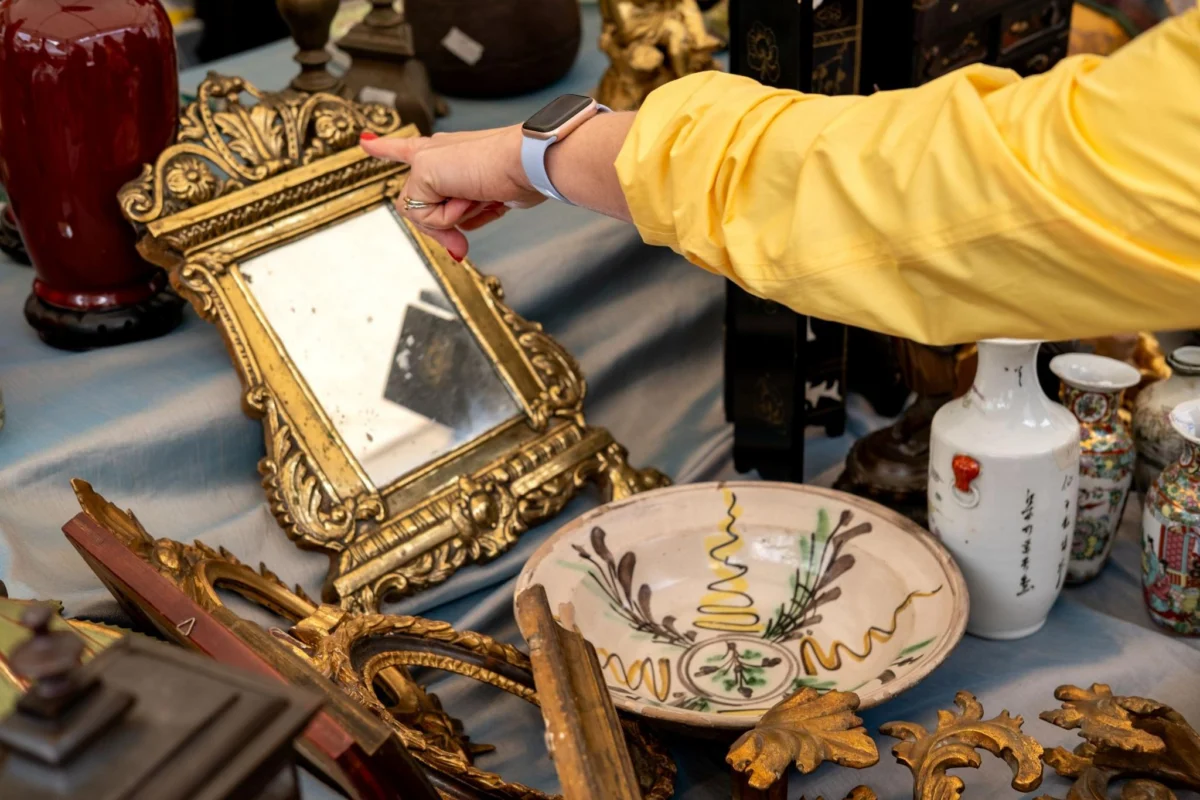
Transforming a rented property into a cherished home presents a unique balancing act for many. On one hand, there’s a deep-seated desire to create a living space that feels warm, personal, and genuinely reflective of one’s identity. On the other, the practical realities of not owning the property, coupled with the need to avoid significant expenses or alterations that could jeopardise a security deposit, often lead to a sense of restraint. This challenge has become increasingly prevalent as higher average mortgage rates and substantial deposit requirements continue to push homeownership out of reach for a growing number of individuals, leading them to rent for extended periods. The good news, however, is that making a rental truly feel like your own doesn’t necessitate a complete renovation or a hefty budget. With a strategic approach, a free weekend, and some thoughtful, clever changes, even the most bland or tired-looking apartment or house can be infused with personality and comfort. To guide renters in this endeavour, we consulted industry leaders: Graham Bell, chief executive of DIY retail giant B&Q, and acclaimed interior designers Lara Clarke and Lydia Lloyd. Their collective expertise offers five actionable tips designed to empower renters to create a personal sanctuary without breaking the bank or encountering landlord disapproval.
1. Check Your Tenancy Agreement Before Making Any Changes
Before embarking on any home improvement project, no matter how minor it may seem, the paramount first step is to thoroughly review your tenancy agreement. This legal document outlines the specific terms and conditions of your rental, including what types of alterations, if any, are permissible. Bell, from B&Q, highlights that many landlords are surprisingly open to sensible improvements, especially when these upgrades enhance the property rather than fundamentally changing its core structure or aesthetic in a way that would be difficult to reverse. For instance, a landlord might be amenable to painting a wall a neutral, refreshing colour or installing improved, yet easily removable, fixtures. However, securing explicit permission before making any permanent or semi-permanent changes is crucial. This proactive approach can prevent costly disputes or deductions from your deposit when it’s time to move out. Open communication builds trust and can lead to a more cooperative landlord-tenant relationship.
Beyond the legalities, Bell also stresses the importance of meticulous preparation. "The biggest mistake is that people don’t plan enough," he advises. "It’s all the planning that goes into it that’s important, making sure you have everything." This principle is encapsulated in the timeless adage, "measure twice and cut once." Before purchasing any materials or starting a project, take the time to clearly define what you want to achieve, accurately measure the space involved, and compile a comprehensive list of all necessary tools and supplies. This foresight not only prevents multiple trips to the hardware store but also ensures a smoother, more efficient execution. For those new to DIY, the wealth of online tutorials available on platforms like YouTube or dedicated home improvement blogs can be an invaluable resource, offering step-by-step visual guides for relatively simple projects, from hanging shelves to installing temporary backsplashes. Adequate planning and research empower renters to tackle projects with confidence, ensuring both a successful outcome and adherence to tenancy rules.
2. Choose Changes You Can Take With You
For renters who are reluctant to invest heavily in a property they don’t own, the most practical and financially sound approach is to focus on temporary, portable changes that can easily accompany them to their next home. This strategy allows for significant personalization without the worry of losing money or effort when relocating. Graham Bell suggests exploring a range of renter-friendly products specifically designed for easy installation and removal. These include peel-and-stick vinyl tiles or gel tiles, which can instantly upgrade a kitchen backsplash or bathroom wall without the need for grout or permanent adhesive. Suction-based storage solutions are another excellent option for bathrooms and kitchens, providing practical organisation for toiletries or utensils without drilling holes. Furthermore, expandable blinds or tension-rod curtains offer privacy and light control that can be fitted without any drilling, making them ideal for various window sizes. For larger wall areas, removable wallpaper or wall decals can create striking accent walls or patterns, offering a powerful visual transformation that peels off cleanly when it’s time to leave.
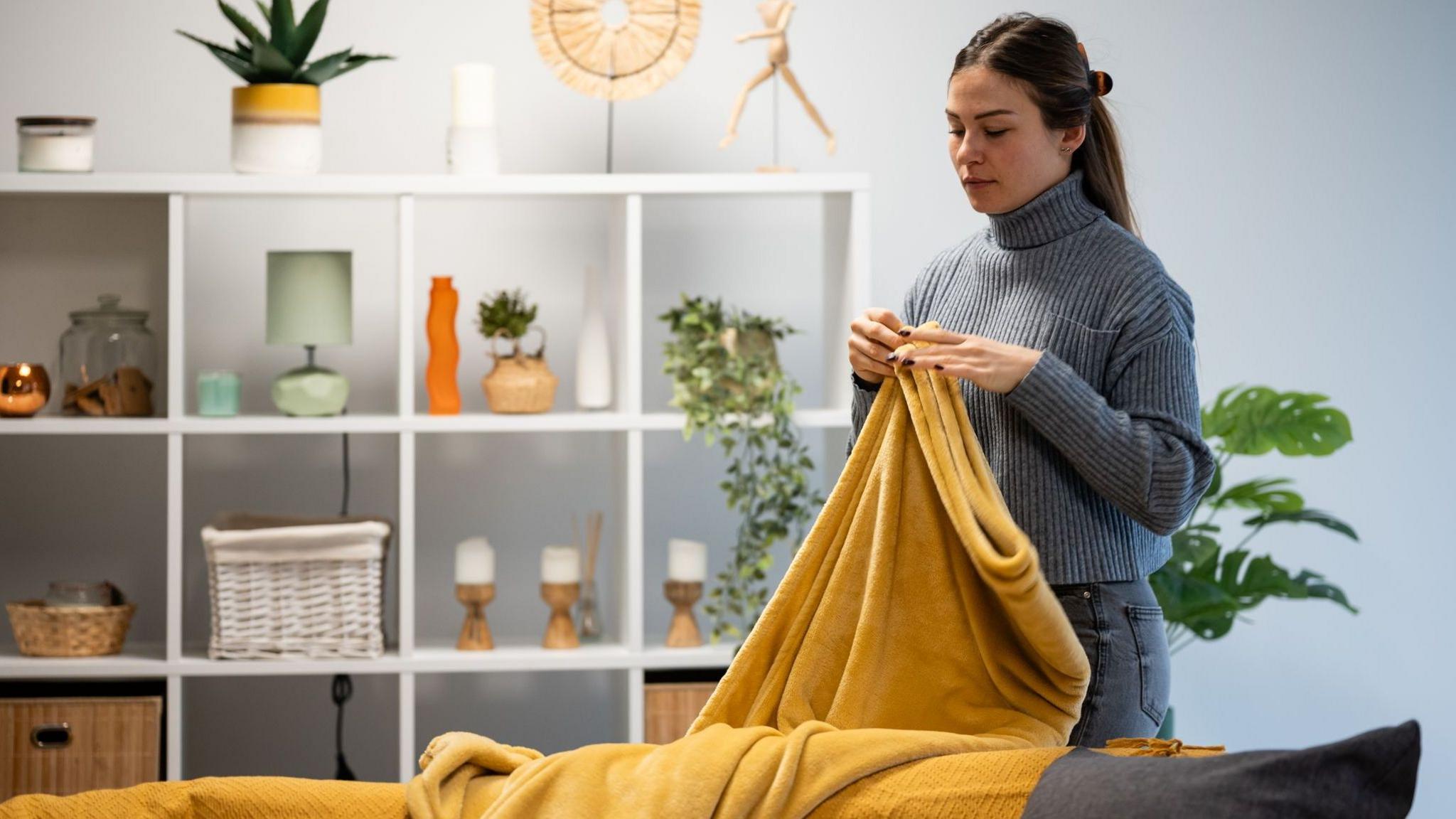
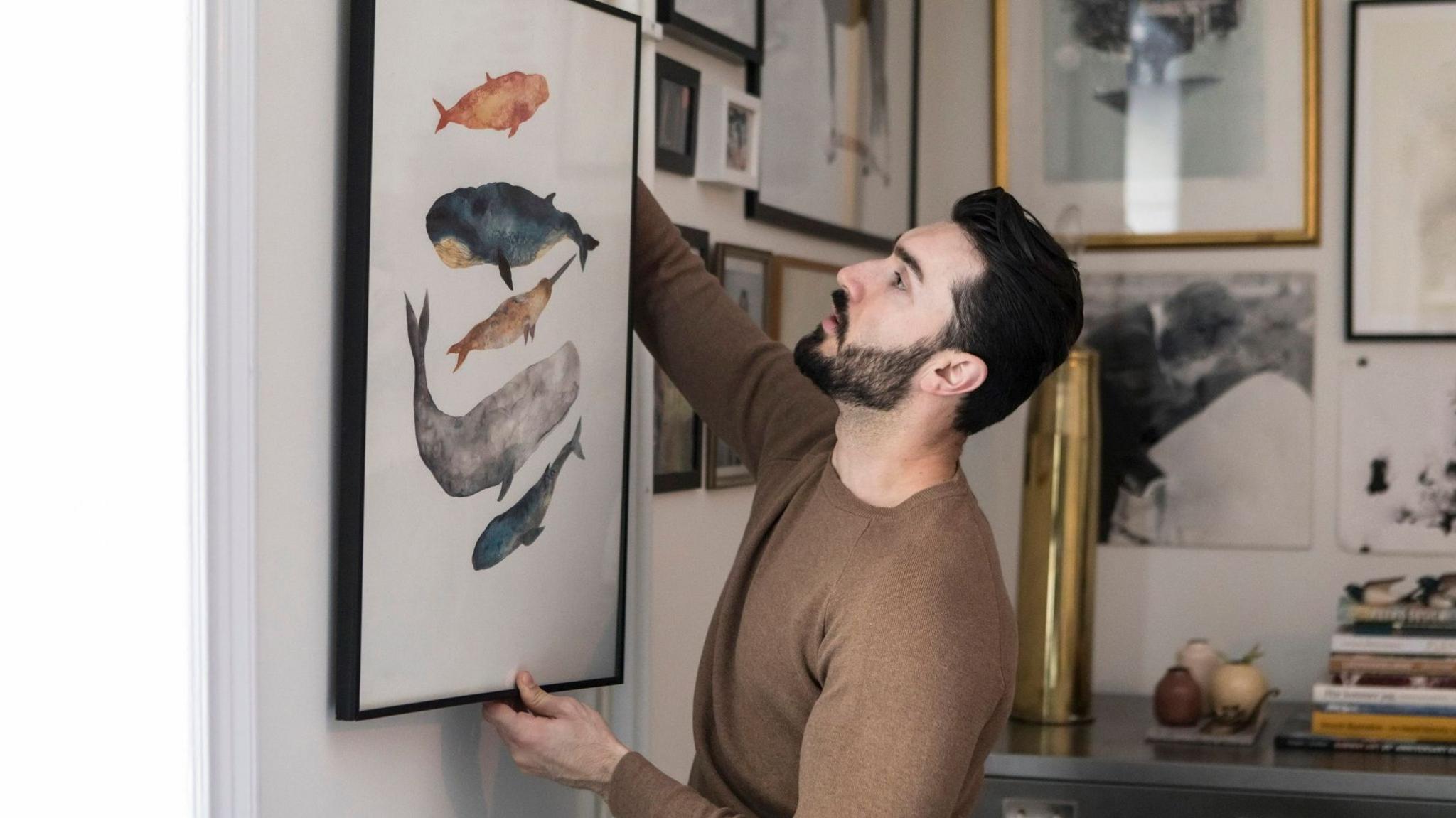
Interior designer Lara Clarke emphasizes that artwork is perhaps the most impactful and easiest way to imbue a rental with a sense of homeliness. "It instantly makes a space feel more occupied and finished," she notes. Instead of relying on expensive gallery pieces, Clarke recommends seeking out affordable vintage oil paintings, vibrant exhibition posters, or charming framed sketches at local antique markets, charity shops, or online marketplaces. These unique finds add character and a sense of history that mass-produced items often lack. To secure them without damaging walls, she advises using high-quality command strips or adhesive hooks, ensuring they can be removed cleanly without leaving unsightly holes or marks in the plaster. Beyond wall art, other portable elements like decorative rugs can define zones, add warmth, and introduce colour and pattern. Cushions and throws, easily interchangeable, offer a quick way to update a room’s aesthetic and add layers of comfort, all of which can be packed up and moved with minimal effort.
3. Layer Your Lighting for Enhanced Ambiance
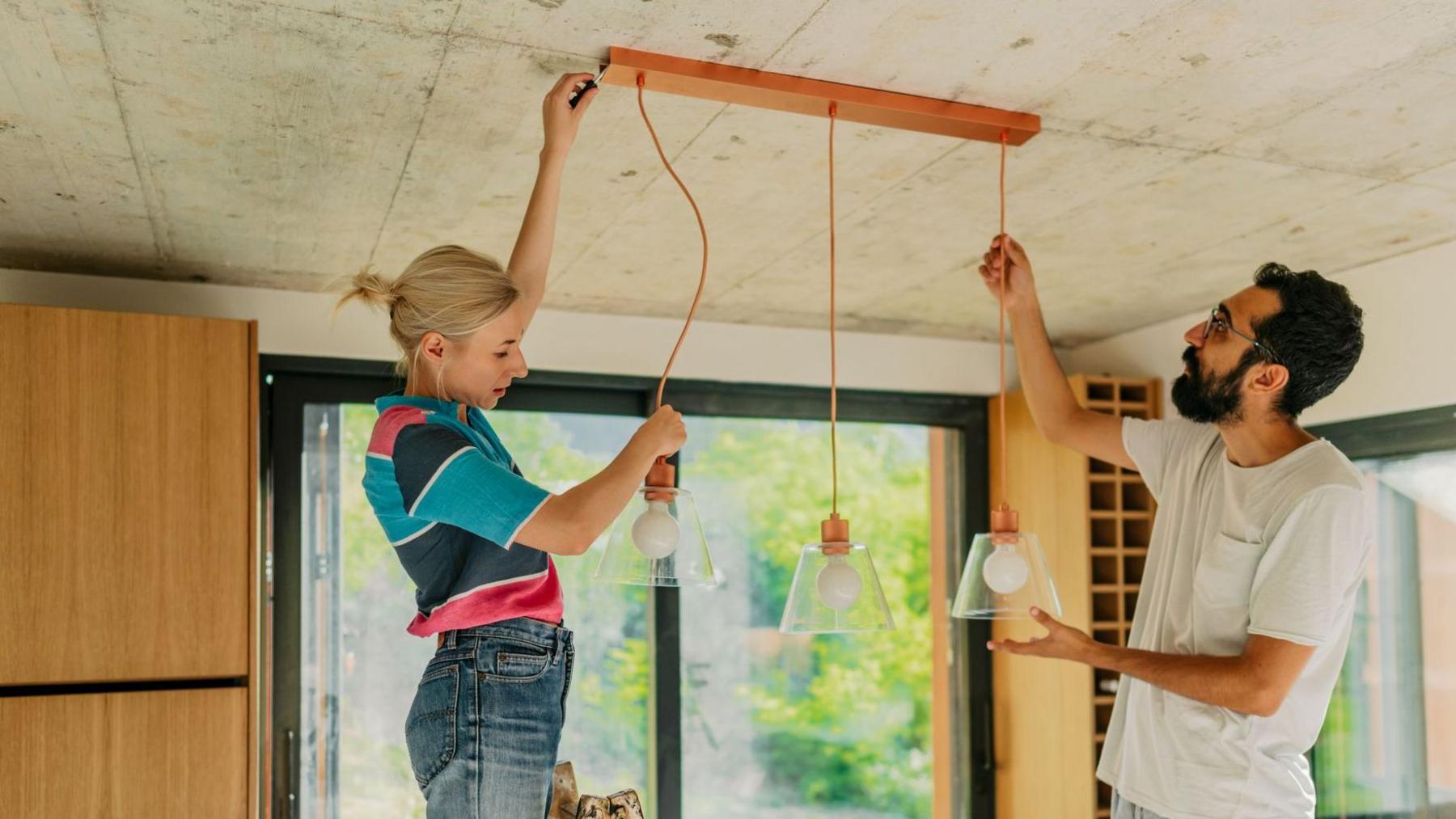
Lighting plays a profoundly transformative role in shaping the atmosphere and perceived comfort of any space. Often, rental properties come equipped with generic, bright overhead lighting that can feel stark and unwelcoming. Graham Bell points out that simply swapping out these "bright, bright lights" for bulbs with a warmer colour temperature can dramatically alter the mood of a room, creating a more inviting and cosy environment. Experimenting with different lightbulb tones – from soft, warm whites to slightly cooler, yet still inviting, natural whites – can make a significant difference without changing any fixtures. Additionally, renter-friendly strip lighting, often associated with kitchens, can be used creatively to introduce a softer glow under cabinets, behind shelves, or even to highlight architectural features, further changing the feel of a space without requiring major electrical renovations. Many strip lighting options are battery-operated or plug-and-play, making them perfectly suited for temporary installations.
Interior designer Lara Clarke advocates for a layered lighting approach, moving beyond reliance on a single overhead light source. "Mood lighting really helps make a space feel more cosy and homely," she explains. She suggests incorporating various light sources strategically placed around the room to create depth and warmth. This includes adding table lamps on side tables and consoles, as well as elegant floor lamps that can illuminate corners or provide focused task lighting. For spaces where electrical outlets are scarce, Clarke notes the increasing availability of stylish battery-powered lamps, offering flexibility without the need for finding a plug socket or hiring an electrician. The effect of layered lighting can be further amplified by pairing it with soft furnishings. Floor-to-ceiling curtains, for example, not only frame windows beautifully but also add a sense of luxury and help insulate a room. Similarly, scatter cushions and throws in a variety of colours, patterns, and textures can introduce visual interest and tactile comfort, making the entire space feel more cohesive and intentionally designed, perfectly complementing the warmth created by strategic lighting.
4. Opt for Vintage Charm Over Flatpack Uniformity
A powerful way to dispel the temporary feeling often associated with rented accommodation is to infuse the space with your unique personality and story. Lydia Lloyd, a home designer at M&S, suggests that this doesn’t require a substantial investment. "A few carefully chosen accessories can make a big difference," she advises. Creating a personal corner or displaying cherished items can instantly make a space feel more lived-in and genuinely yours. Books, whether neatly arranged by colour or stacked casually, not only provide intellectual stimulation but also serve as decorative elements. Framed photographs of loved ones, memorable trips, or inspiring landscapes add a deeply personal touch, transforming blank walls into a gallery of memories. Decorative objects, such as unique sculptures, handcrafted ceramics, or souvenirs from travels, further enrich the narrative of your home. Houseplants, from small succulents to larger leafy varieties, introduce life, purify the air, and add a touch of nature, contributing significantly to a calming and inviting atmosphere.
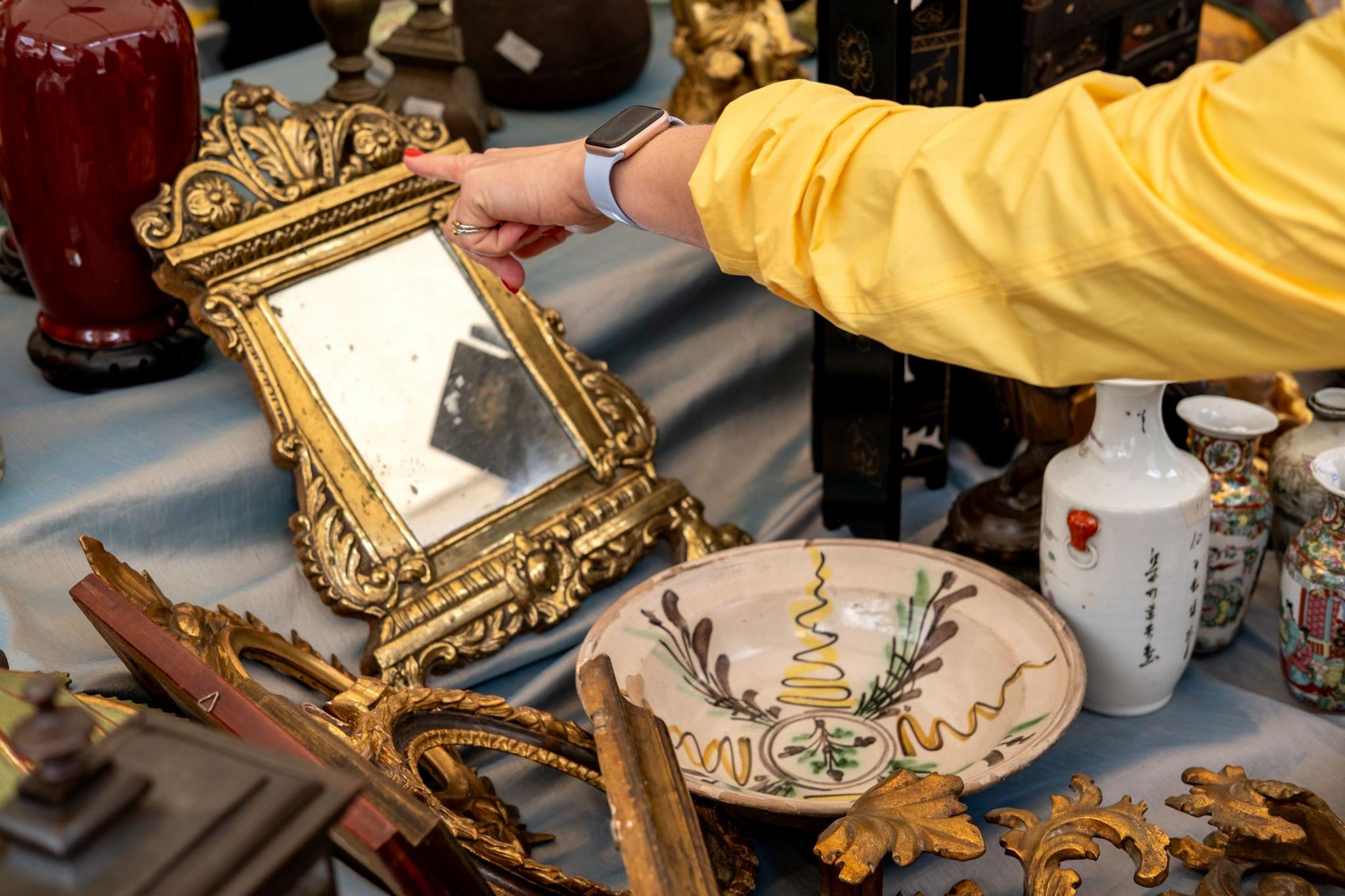
To elevate this personalization, Lara Clarke strongly recommends "sourcing characterful pieces" for furniture and decor. Her advice is clear: "Avoid flatpack furniture." While practical for some, flatpack items can often contribute to a generic, soulless aesthetic. Instead, Clarke encourages renters to explore online marketplaces like eBay or Facebook Marketplace, local antique shops, flea markets, or charity stores. These venues are treasure troves for unique pieces that possess a history and distinct personality. A vintage dresser, a retro armchair, or an old wooden trunk can tell a story and instantly make a space feel more curated and thoughtfully assembled over time, rather than merely furnished. Such pieces often boast superior craftsmanship and durability compared to their flatpack counterparts, and crucially, they can be taken with you when you move, representing an investment in your personal style rather than in someone else’s property. Choosing vintage or pre-loved items also aligns with a more sustainable approach to home decorating, adding another layer of value to your choices.
5. Prioritise Scent to Create an Inviting Atmosphere
The often-underestimated power of scent can profoundly influence how a home feels, triggering emotions and memories that contribute to a sense of belonging and comfort. Lydia Lloyd firmly believes that scent is a "simple but powerful way to make a home feel inviting." Introducing carefully selected fragrances can instantly transform the ambiance of a rented space, creating an invisible yet impactful layer of homeliness. Buying candles, diffusers, and room sprays allows renters to curate a signature scent for their property, one that welcomes them and their guests. As the seasons shift, particularly into the colder months, Lloyd recommends fragrances such as sandalwood, cedarwood, cinnamon, and cardamom. These warm, earthy, and spicy notes are inherently comforting and perfect for evoking a sense of cosiness and warmth within the home, making even a temporary dwelling feel like a permanent haven.
Beyond specific scents, the act of layering aromas can also enhance the sensory experience. Consider placing a reed diffuser in the entryway for a continuous, subtle welcome, a fragrant candle in the living room for evening relaxation, and a refreshing room spray in the bathroom. The choice of fragrance can also be tailored to different rooms or moods; for instance, citrus or fresh linen scents might be invigorating for a home office, while lavender or chamomile could be perfect for a bedroom. Complementing these olfactory delights, Lloyd also suggests adding "layers of texture through cushions, throws and blankets." This tactile dimension works in harmony with scent to amplify the feeling of comfort. Think about mixing luxurious materials like velvet, the soft, modern appeal of boucle, or the rustic warmth of chunky knits. These physical elements, combined with inviting aromas, create a multi-sensory experience that envelops residents in a cocoon of warmth and personal style, making a rented property truly feel like home.




 Roy Suryo

 George Anjay
 Ramos Leo