
 Nakalama John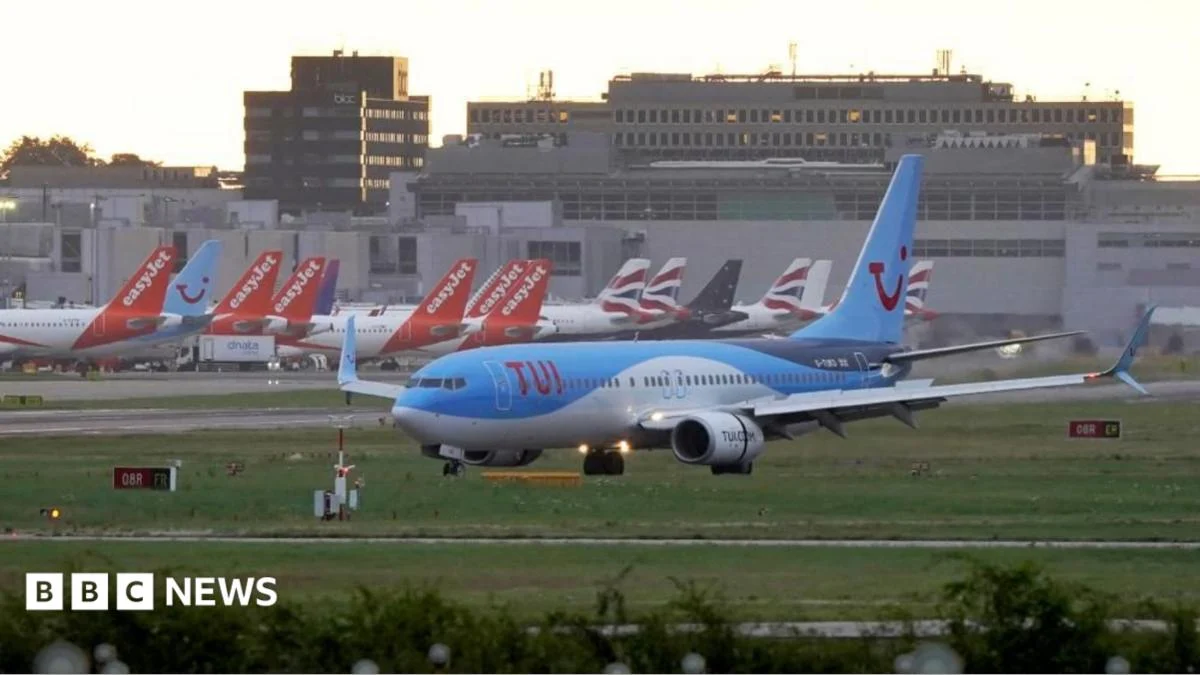
Initial reports from the North Terminal indicated that while food outlets remained open, their services were severely restricted. Passengers could access these establishments for seating purposes only, meaning the ability to purchase and consume hot food and beverages was compromised. This limitation stemmed directly from the lack of running water, which is essential for food preparation, cooking, and maintaining strict hygiene standards required in commercial kitchens. The inability to offer full service at these vital passenger amenities caused considerable frustration, particularly for those with long layovers or early morning flights expecting full dining options. The North Terminal, being one of Gatwick’s two primary operational areas, handles a substantial volume of passengers, making the impact of such restrictions keenly felt across a broad demographic of travellers.
Anthony Rochester, head of networks at SES Water, confirmed the nature of the issue and provided an update on the utility company’s immediate actions. He stated that SES Water had successfully "restored water supplies to Gatwick Airport and the surrounding areas by re-routing our network." This complex process involves diverting water through alternative pipelines and distribution channels to bypass the affected section of the main. Such re-routing operations are critical in emergency situations, requiring intricate knowledge of the network infrastructure and swift execution to minimise the duration of outages. However, despite this initial success at a network level, Rochester acknowledged that challenges persisted within the airport’s extensive internal systems. "We’re continuing to work closely with the airport as we understand water isn’t yet flowing throughout their buildings," he added, indicating that while water was reaching the airport perimeter, its distribution to individual terminals, toilets, and food outlets still required further attention and troubleshooting. This suggests potential issues such as low pressure, airlocks within the airport’s internal plumbing, or the slow process of refilling large internal water tanks.
A Gatwick Airport spokesperson issued a statement detailing the airport’s response and the current situation on the ground. Crucially, the spokesperson confirmed that "Toilets have remained available throughout," a vital piece of information for passenger comfort and hygiene. This continuity was likely maintained through the use of stored water reserves, reduced flush systems, or possibly the deployment of temporary facilities, though the exact methods were not specified. Furthermore, the spokesperson announced positive developments regarding catering services: "food and beverage outlets are now reopening and serving hot food." This indicated a significant improvement in the situation, suggesting that internal water pressure had been sufficiently restored to allow for proper food preparation and hygiene protocols to be observed. The gradual resumption of full services was a welcome relief for both passengers and the concessionaires operating within the terminal.
The airport’s proactive approach to managing the crisis was also highlighted. The spokesperson stated, "Since becoming aware of the issue, we have been working closely with our airport partners to help minimise the impact and successfully ensure all of today’s flights continue to depart as scheduled." This commitment to maintaining flight operations underscores the airport’s primary function and its determination to avoid delays or cancellations that would cascade across the aviation network. Collaborative efforts with airlines, ground handlers, and other service providers were undoubtedly crucial in ensuring that essential flight-related activities, such as check-in, security, and boarding, remained unaffected by the water shortage. This focus on core operations helped to mitigate the broader logistical and economic consequences of the incident.
Acknowledging the significant inconvenience experienced by passengers, the Gatwick Airport spokesperson extended an apology: "We recognise the inconvenience caused by today’s water shortage and thank passengers for their patience and understanding." Communication with passengers during such events is paramount, and the airport likely utilised various channels, including public address announcements, digital information screens, social media updates, and direct engagement from airport staff, to keep travellers informed. The gratitude expressed for passenger patience reflects the understanding that such disruptions, while unavoidable, can be highly stressful for individuals travelling. The statement concluded with a pledge for ongoing transparency: "We will continue to provide updates as more information becomes available," reassuring the public of continued communication throughout the resolution process.
This latest water outage at Gatwick is not an isolated incident, drawing parallels with a similar disruption experienced just a few months prior. In July, both terminals at Gatwick Airport lost running water for several hours after a power failure at a treatment works in the area. That previous event, while different in its root cause (a power outage affecting water treatment rather than a burst main), similarly highlighted the vulnerability of critical airport infrastructure to utility disruptions. The July incident also led to widespread issues with toilets and food services, demonstrating a recurring challenge for the airport in maintaining essential services during utility failures. Lessons learned from the July event, particularly concerning contingency planning, communication strategies, and the speed of response, may have informed the airport’s handling of the current situation. These repeated incidents underscore the complex interdependencies of modern infrastructure, where a failure in one utility system can have significant ripple effects on another, especially in a high-traffic environment like an international airport.
The broader implications of such outages extend beyond immediate inconvenience. For concessionaires operating within the airport, a lack of running water can lead to significant revenue losses due to service restrictions or temporary closures. Furthermore, the reputational impact on both the airport and the utility provider can be considerable, as reliability and passenger experience are key performance indicators in the highly competitive aviation sector. Health and safety concerns, particularly regarding sanitation and food hygiene, are also paramount during water shortages. Airports typically have robust contingency plans, which may include the use of bottled water for drinking and hygiene, and potentially the deployment of water bowsers for critical areas. The ongoing challenge for infrastructure providers is to invest in preventative maintenance and system upgrades to minimise the frequency and severity of such disruptions, ensuring resilience against both predictable and unforeseen events. The burst main in Horley serves as a stark reminder of the continuous need for vigilance and investment in aging water infrastructure that supports critical national assets like Gatwick Airport.



 George Anjay
 atisusanti
 Ramos Leo
 Roy Suryo
 Nana Banana