
 Nakalama John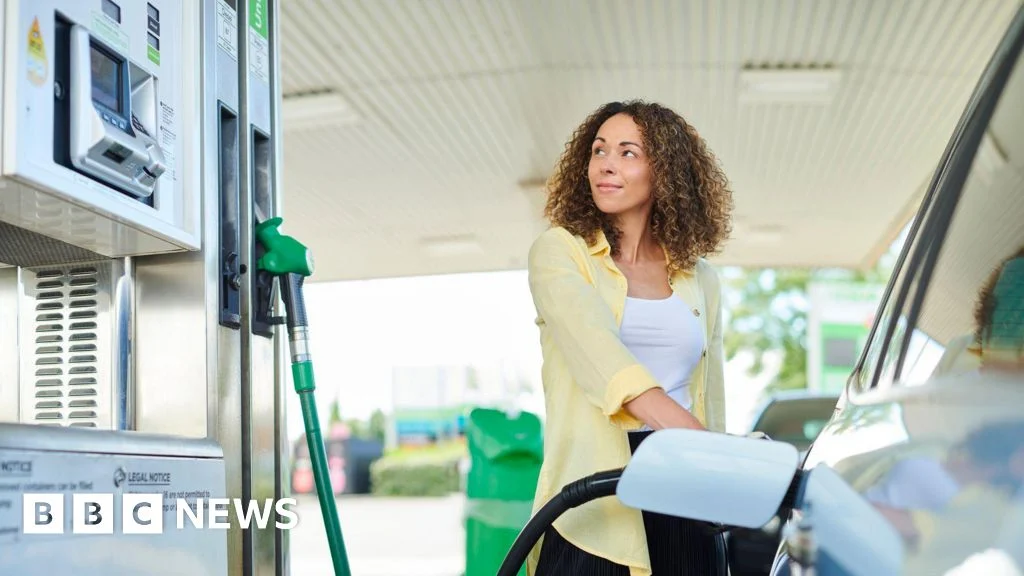
The Irish government has announced significant cuts to the excise duty levied on petrol and diesel, a direct response to the escalating and volatile fuel prices driven by global geopolitical instability, particularly the ongoing war in Ukraine. These emergency measures, designed to alleviate the financial burden on households and businesses, will see a reduction of 20 cents per litre on diesel and 15 cents per litre on petrol. The changes are set to take effect from midnight on Wednesday and will remain in place until the end of May, signaling a temporary but immediate intervention to shield consumers from record-high costs at the pumps.
The comprehensive proposals, which received agreement during a critical leaders’ meeting on Monday, are scheduled for final cabinet approval on Tuesday, paving the way for their swift implementation. This move represents a substantial commitment from the government, forming part of a broader support package estimated to cost €235 million. Beyond the direct cuts to fuel duty, the initiative also includes a diesel rebate scheme specifically designed for hauliers and bus operators. Crucially, this rebate is expected to be backdated, providing much-needed relief to key sectors of the economy that have been grappling with soaring operational costs. Furthermore, an excise reduction will also be applied to agricultural or ‘green’ diesel, supporting the vital agricultural sector.
The urgency of these measures became starkly apparent over recent weeks as fuel prices experienced unprecedented surges. Diesel, for instance, climbed from approximately €1.80 per litre to an alarming €2.20 or even €2.30 per litre at the weekend. Petrol prices followed a similar trajectory, reaching around €2 per litre. These dramatic increases, largely attributed to the ripple effects of the conflict in Ukraine disrupting global energy markets, have put immense pressure on household budgets and threatened the viability of numerous businesses across the country. The government’s intervention aims to soften this blow, providing a tangible reduction in the cost of essential transport.
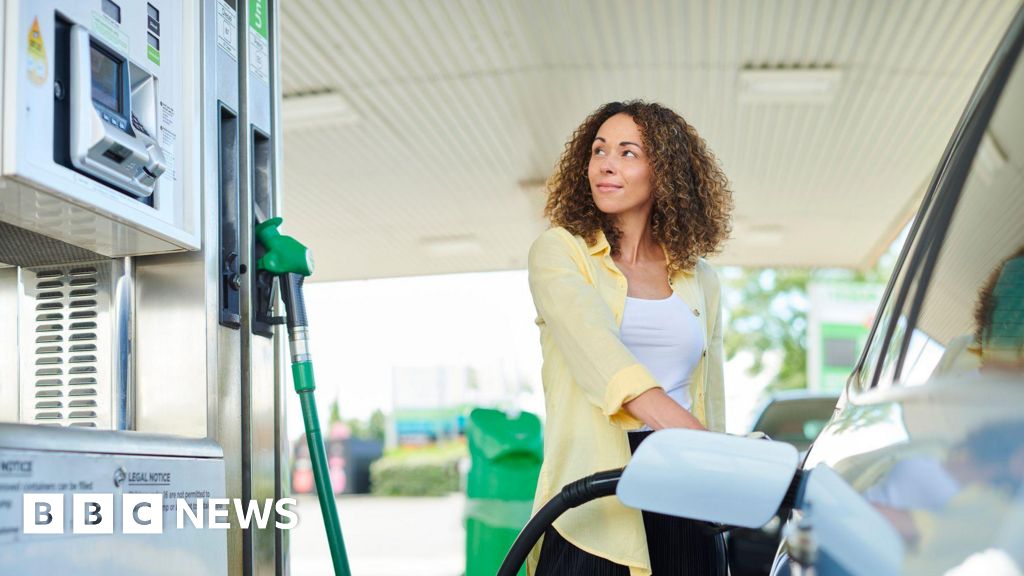
Excise duty is a tax levied by the government on certain goods, including fuel. By reducing this duty, the government directly lowers the retail price of petrol and diesel for consumers. For an average car with a 50-litre tank, the 15-cent cut on petrol could translate to a saving of €7.50 per fill-up, while the 20-cent reduction on diesel would save €10. While these savings might seem modest on an individual basis, they accumulate over weeks and months, offering meaningful relief to commuters, families, and businesses reliant on transportation. The temporary nature of these cuts, effective until the end of May, suggests the government will closely monitor global oil markets and assess the effectiveness of the intervention before deciding on any extension or further adjustments. This flexible approach allows for adaptation to the rapidly evolving international energy landscape.
The introduction of a diesel rebate scheme for hauliers and bus operators underscores the government’s recognition of the systemic impact of high fuel costs. These sectors are the backbone of Ireland’s supply chain and public transport network. For hauliers, every cent increase in diesel costs adds significantly to the expense of transporting goods, which inevitably translates into higher prices for consumers on everything from groceries to manufactured products. Similarly, bus operators face increased operational costs, potentially leading to fare hikes or reduced services. By offering a backdated rebate, the government aims to stabilise these costs, helping to mitigate inflationary pressures across the wider economy and ensure the continued affordability and accessibility of public transport. The reduction in excise duty for agricultural diesel is equally vital, directly supporting farmers who rely heavily on machinery for planting, harvesting, and livestock management, thereby helping to protect the domestic food supply chain from escalating costs.
Beyond the direct fuel price reductions, the €235 million package also encompasses targeted energy supports for some of Ireland’s most vulnerable citizens. This includes pensioners, carers, and people with disabilities, groups often disproportionately affected by rising living costs due to fixed incomes or increased energy needs. While the specifics of these supports are yet to be fully detailed, they are expected to include direct payments or enhanced welfare benefits designed to help these individuals manage higher utility bills and other essential expenses exacerbated by the current economic climate. This multi-pronged approach reflects a broader strategy to address the cost-of-living crisis from various angles, providing both universal relief at the pump and focused assistance where it is most needed.
The decision to cut excise duty comes amid intense scrutiny of the government’s response to the cost-of-living crisis. Global factors, including the war in Ukraine, have sent shockwaves through energy markets, causing crude oil prices to spike. Supply chain disruptions, coupled with a surge in demand following the easing of pandemic restrictions, have further exacerbated the situation. These external pressures have fuelled inflation across the Eurozone, placing immense pressure on households already struggling with rising food, housing, and energy costs. The government, under pressure from opposition parties and the public, has been urged to act decisively to mitigate these impacts, balancing the need for fiscal prudence with the imperative to support its citizens through a challenging economic period.

For residents in Ireland’s border counties, the decision of where to refuel their vehicles has long been a calculation of significant financial consequence. Historically, before the financial crisis of 2008, it was almost invariably more economical for motorists to fill their tanks in the Republic of Ireland. However, this dynamic shifted dramatically in the aftermath of Ireland’s economic downturn. Fuel taxes in the Republic were substantially increased as part of austerity measures, and they have continued to climb due to an annual carbon tax escalator designed to meet climate targets. In stark contrast, the United Kingdom, which includes Northern Ireland, has effectively frozen its fuel duty escalator for over a decade, leading to a widening disparity in prices.
Recent figures highlight this enduring gap, indicating that petrol and diesel in Ireland are approximately 30 pence per litre more expensive than across the border in Northern Ireland. Even with the emergency tax cuts now being introduced by the Irish government, it is widely anticipated that Northern Ireland will likely retain its status as the cheaper option for motorists. The 15-cent and 20-cent reductions, while substantial, are unlikely to fully bridge a gap of nearly 30 pence (which converts to approximately 35-40 cents, depending on the exchange rate). This persistent price difference means that the phenomenon of cross-border fuel tourism is expected to continue, with motorists in border regions likely to seek out cheaper fuel in the North. This trend can have significant economic implications, potentially diverting revenue away from garages and local businesses in the Republic’s border towns. Furthermore, currency fluctuations between the Euro and Sterling can also subtly influence the perceived value and actual cost differences, adding another layer of complexity to the cross-border fuel calculus.
Taoiseach Micheál Martin, while acknowledging the unpredictable nature of global events on energy markets, reiterated the government’s commitment to supporting citizens. He emphasized the need for vigilance regarding international developments that could impact crude oil prices and the broader economy. While not getting into specifics about how immediate drops in crude oil prices might affect the duration or necessity of these supports, he underscored that the package was a robust, immediate response to an urgent situation. The government’s stance is one of cautious optimism, prepared to review and adapt its measures as the global economic landscape evolves.
The overall package, with its dual focus on direct fuel price reduction and targeted assistance for vulnerable groups, represents a significant fiscal undertaking for the Irish exchequer. It reflects a government attempting to navigate complex economic headwinds while protecting its citizens from the sharpest edges of inflationary pressures. The temporary nature of the fuel duty cuts provides flexibility, allowing the government to reassess the situation towards the end of May. However, the underlying challenges of global energy markets and the ongoing cost-of-living crisis are likely to persist, making future decisions on fuel taxation and broader economic supports a critical area of focus for the Irish government in the months to come. The measures are a clear signal that the government is prepared to intervene to ease the burden on consumers and businesses, even as it grapples with the wider implications for the national budget and economic stability.



 George Anjay
 atisusanti
 Ramos Leo
 Roy Suryo
 Nana Banana