Roy Suryo

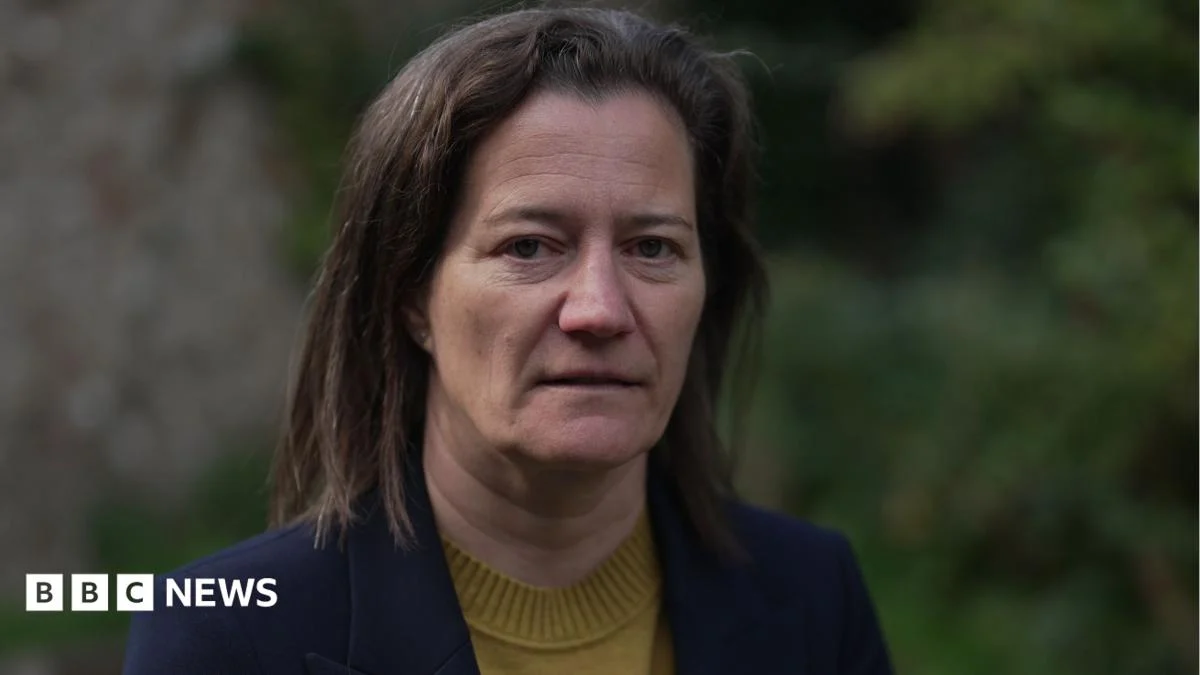
Baroness Kate Lampard, the chair of a significant public inquiry into the deaths of individuals under the care of Essex mental health services, has indicated that early recommendations might be issued within weeks if urgent risks to patient safety are identified. The inquiry is currently scrutinizing the circumstances surrounding the deaths of over 2,000 people who received care from Essex mental health services between the years 2000 and the close of 2023. These crucial hearings are scheduled to resume on October 5th, at which point Baroness Lampard will consider whether interim recommendations are necessary before the final report is compiled. The focus of any potential early recommendations is expected to be on enhancing inpatient safety, specifically concerning resuscitation procedures and the utilization of monitoring technology designed to detect patients in distress.
Baroness Lampard emphasized that these issues are not confined to Essex, stating, "Those two matters are not specific to Essex and therefore the evidence the inquiry hears will be of relevance to service providers across the entire country." She further elaborated on the potential national impact, noting, "It may carry implications for the care and treatment provided on all mental health units." This broad applicability underscores the national significance of the inquiry’s findings.

One particular area of focus within the inquiry is the Oxevision system, a monitoring technology that utilizes infrared sensors and cameras to observe patients in their bedrooms, recording vital signs such as breathing and pulse rates. This technology is currently employed by a number of NHS mental health trusts across England. However, concerns have been articulated regarding potential infringements on patient privacy and dignity, as well as questions about whether such technology might inadvertently replace essential face-to-face human interaction.
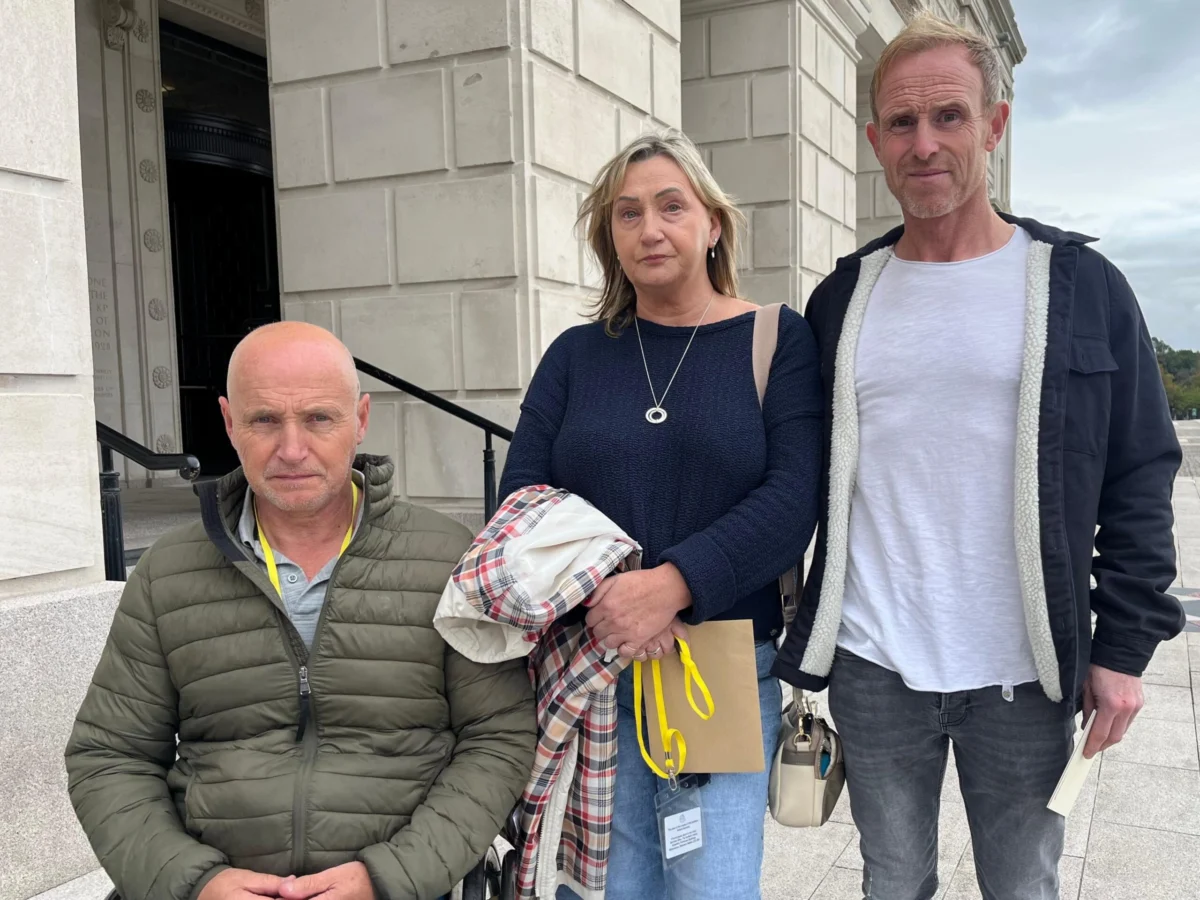
Tammy Smith, whose daughter Sophie Alderman died in 2022, shared her poignant perspective with the inquiry, expressing that such technology "actually takes away human interaction. They are at their most vulnerable." She eloquently highlighted the critical need for personal connection, stating, "They need those conversations. They need someone to ask, ‘Are you OK? Do you need anything?’ We all need that." Her testimony underscores the human element that families believe is paramount in mental health care.
The company behind Oxevision, LIO Health, has countered these concerns by asserting that their technology aids in preventing serious incidents, provides crucial support to staff in delivering care, and reduces the administrative burden on healthcare professionals through less time spent on paperwork. However, NHS England has issued guidance emphasizing that any vision-based monitoring technology must adhere to a human rights-based approach to care and be implemented in strict accordance with legal requirements and with appropriate patient consent.

The upcoming sessions of the Lampard Inquiry, scheduled from October 5th to October 15th, will feature evidence presented by key national bodies, including NHS England, the Care Quality Commission (CQC), and the Medicines and Healthcare products Regulatory Agency (MHRA). A notable shift in venue for these hearings will see them taking place at Chelmsford Civic Centre, moving from London where previous proceedings were held. This localized approach may facilitate greater accessibility for affected families in the Essex region.
Following the presentation of evidence, families of those who have died will be given the opportunity to voice their perspectives on potential recommendations during a virtual hearing scheduled for October 20th. This direct engagement with the families is a crucial step in ensuring that their experiences and concerns are central to the inquiry’s deliberations. Baroness Lampard will then make the determination on whether interim recommendations are warranted based on the evidence presented and the feedback received from the families.
The comprehensive final report of the Lampard Inquiry, which is anticipated to carry significant national implications for mental health services throughout England, is not expected to be published until 2028. This extended timeline reflects the profound depth and breadth of the investigation, aiming to thoroughly address the complex issues at hand and formulate robust recommendations for systemic improvement. The inquiry’s work is of vital importance in seeking accountability, understanding systemic failures, and ultimately improving the quality and safety of mental health care for all. The ongoing scrutiny of practices and technologies like Oxevision highlights a broader societal conversation about the balance between technological advancement and the essential human touch in patient care, particularly for those in vulnerable mental health situations. The commitment to considering early findings demonstrates a proactive approach by the inquiry, prioritizing the well-being of current and future patients.