Nakalama John
The initiative, expected to cost in excess of £500 million, marks a distinct shift from the previous administration’s approach. Under Sir Keir Starmer’s Labour government, the England-wide bus fare cap had risen to £3 in January 2025. While some progressive city regions, notably Liverpool and Manchester, had independently maintained their fares at £2, the national policy saw an increase, drawing criticism from various quarters concerned about accessibility and affordability.
Prime Minister Burnham, in his announcement, underscored the fundamental importance of affordable transport links, stating, "Lower fares will help people get to where they need to go, whether it’s for work, education, or connecting with family and friends. This isn’t just about saving money; it’s about enabling opportunity and ensuring that public transport remains a viable and attractive option for everyone." His words reflect a broader commitment from his new administration to tackle the economic challenges facing the country head-on.
Transport Secretary Heidi Alexander further elaborated on the policy’s rationale during an appearance on the BBC’s Today programme. She acknowledged that while the measure was "not the whole solution" to the complex economic landscape, it aims to provide people with "a little bit of hope" during a period marked by higher living costs. This includes persistent inflation and the recent spike in fuel prices, which the government attributed in part to the geopolitical fallout from the US-Iran war. The conflict’s impact on global oil markets had ripple effects on energy costs, squeezing household budgets across the country and making public transport affordability even more critical.
The new £2 cap will apply to single fares on participating bus services outside of London, which operates its own integrated fare system. The Burnham government anticipates that this rollback will particularly benefit residents in rural and coastal areas, where single bus fares have historically been higher due to lower passenger volumes and longer routes, often making public transport prohibitively expensive for daily commutes or essential errands. This targeted relief aims to bridge the economic gap between urban and more remote communities.
Boost to Bus Travel and Economic Impact
The concept of a £2 bus fare cap is not entirely new to England. The previous Conservative government first introduced a similar scheme in January 2023. Initially conceived as a temporary measure for three months, it proved popular and was subsequently extended multiple times. Andy Burnham, in his capacity as Mayor of Greater Manchester, had already demonstrated his commitment to affordable bus travel, implementing a £2 cap in his region in September 2022, ahead of the national scheme, with funding initially provided by central government.
The original national fare subsidy was designed with dual objectives: to mitigate the impact of the cost of living crisis and to encourage a return to bus usage following the significant decline observed during the Covid-19 pandemic. Data from the Office for National Statistics (ONS) indicated that the previous £2 cap played a measurable role in tempering inflation in 2023, reflecting its direct impact on consumer spending.
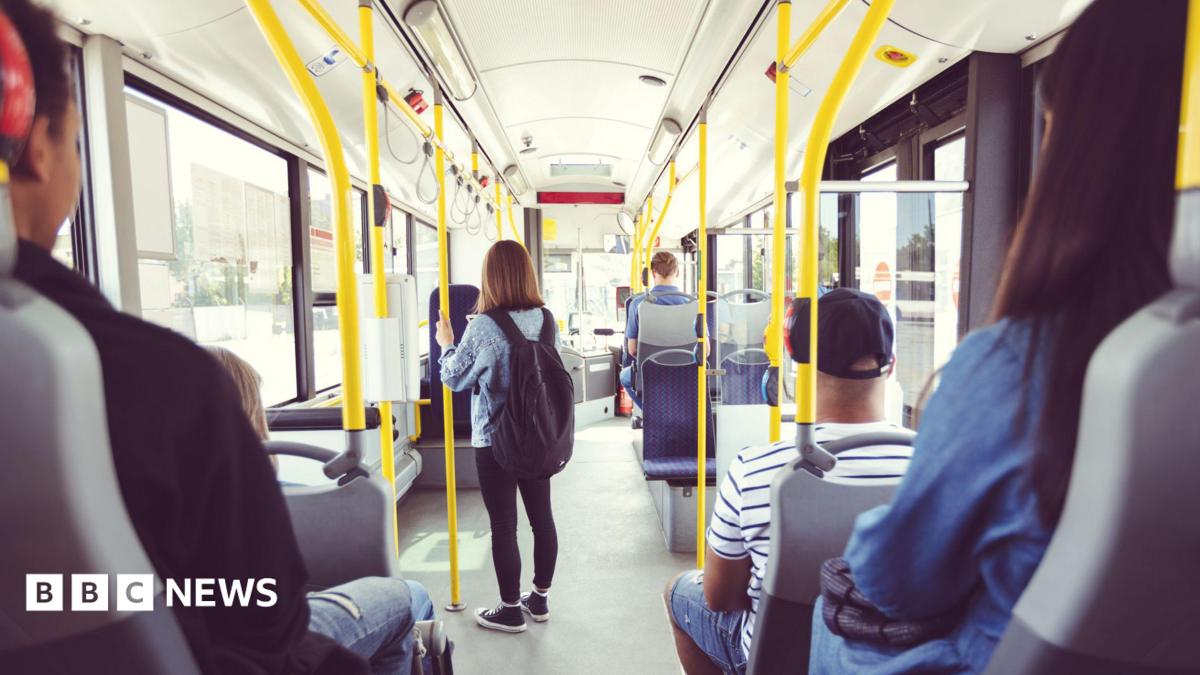
An evaluation of the first ten months of the previous £2 cap, though not published until 2025, offered valuable insights into its effectiveness. The study found that the scheme contributed approximately 5% to the overall 13% rise in bus usage observed during that period. Critically, it highlighted that lower-income passengers experienced the most significant financial benefits, underscoring its progressive impact. However, the evaluation also raised questions regarding the scheme’s overall value for money, noting that the financial savings for individual passengers varied considerably depending on the pre-cap fare structures in their local areas. Despite this, the scheme spent £210 million in its initial ten months, falling below its £245 million budget, suggesting a degree of fiscal efficiency in its implementation.
While fare-capping measures have undeniably stimulated demand for bus travel, overall usage figures are still in recovery from the unprecedented drop during the Covid-19 lockdowns. By March 2025, approximately 1.9 billion journeys were made on local buses in England outside of London, representing about 93% of pre-pandemic levels. The reintroduction of the £2 cap is expected to accelerate this recovery, further encouraging modal shift from private cars to public transport, which aligns with broader environmental objectives.
Funding and Political Scrutiny
The announcement of the £2 bus fare cap has inevitably sparked a political debate, particularly concerning its funding. Shadow Chancellor Mel Stride was quick to voice his concerns, telling BBC Breakfast that the government had not adequately specified the source of the funds for this significant spending commitment. "That is a worrying sign," Stride stated, "we need to have a government which is on top of the public finances, not one that is making lots of spending commitments without explaining where the money is going to come from." His comments underscore the opposition’s focus on fiscal responsibility and accountability.
In response to this scrutiny, the Burnham government clarified that the £454 million required for the bus fare cap will be reallocated from the Department for Energy Security and Net Zero (DESN). This sum will supplement existing funds already earmarked for bus services by the Department for Transport. Transport Secretary Heidi Alexander explained the mechanism behind this reallocation, noting that the money had initially been allocated within DESN’s budget for international climate projects. "Instead of putting that money out as grants," she clarified, "we are going to be issuing loans, and so that money comes back in." This creative financing approach aims to free up immediate capital for domestic priorities without abandoning international climate commitments entirely, albeit by shifting their funding mechanism.
This bus fare cap announcement follows closely on the heels of another significant cost-saving measure from the new government. Just the previous day, Prime Minister Burnham announced a VAT cut on household electricity bills, scheduled to take effect later in the year. However, the plan to fund this electricity bill relief by scrapping Sir Keir Starmer’s proposed digital ID scheme had already led to an early political skirmish, with questions raised about the robustness of the funding model.
In his first cabinet meeting, Prime Minister Burnham set a clear mandate for his ministers, declaring his intention to lead a "cost of living government." He conveyed his desire to instill in the public a "sense that help is coming" regarding the escalating costs that have burdened households for an extended period. The bus fare cap is therefore not an isolated policy but a key component of a broader strategy aimed at demonstrating the government’s commitment to addressing the immediate financial pressures faced by ordinary Britons, while simultaneously navigating the complex political and economic landscape. The success of these measures will undoubtedly be a defining characteristic of the Burnham administration’s early tenure.


 Roy Suryo
 atisusanti
 Ramos Leo