Nakalama John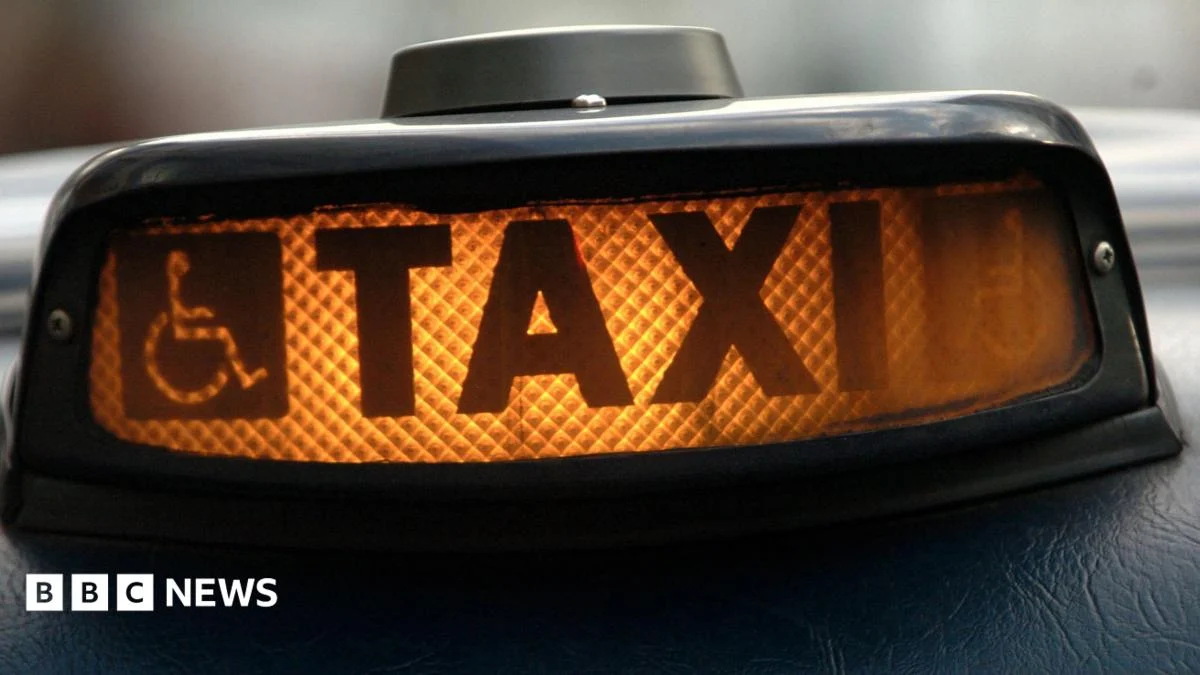
The NTHCA’s submission specifically targets hackney carriages, which are the traditional black cabs or purpose-built taxis that can be hailed directly on the street or found waiting at designated taxi ranks. It is crucial to distinguish this from private hire vehicles, which operate exclusively on a pre-booked basis and are subject to different regulatory frameworks and pricing structures. The proposed hike would directly impact the fares displayed on the meters of these publicly accessible taxis, influencing the daily travel costs for a significant segment of North Tyneside’s population.
While the drivers’ association argues for the necessity of this increase, the proposal has not been met without contention. Labour councillor John O’Shea has voiced significant reservations, advocating for a "more balanced arrangement" than the suggested 8% uplift. Councillor O’Shea underscored the parallel struggles faced by North Tyneside residents, who are also "suffering as well with the cost of living," highlighting the delicate balance between supporting local businesses and protecting the financial well-being of the community they serve. This tension forms the crux of the debate, pitting the economic viability of the taxi trade against the affordability of essential services for residents.
The primary impetus behind the NTHCA’s request stems from several acute financial pressures. Foremost among these are the persistently high fuel prices, which represent a substantial and unavoidable operating expense for taxi drivers. The volatile global energy markets, influenced by geopolitical events and supply chain disruptions, have seen petrol and diesel costs reach record highs in recent times. For a profession that relies almost entirely on continuous vehicle operation, every pence increase at the pump directly erodes drivers’ already tight profit margins. Many drivers operate older, less fuel-efficient vehicles, making them even more susceptible to these fluctuations. The cumulative effect of frequent refuelling sessions throughout a typical shift translates into a significant dent in their take-home pay, often leaving them with inadequate earnings to cover their own household expenses.
Beyond fuel, the cost of vehicle parts and maintenance has also seen a dramatic escalation. Supply chain issues, inflationary pressures on raw materials, and increased manufacturing costs have driven up the price of everything from tyres and brake pads to engine components. Maintaining a taxi to the rigorous safety standards required for public transport is not optional; it is a legal and ethical imperative. Regular servicing, repairs, and compliance checks are essential for passenger safety and regulatory adherence. When the cost of these necessary outlays soars, drivers face a stark choice: absorb the costs and further reduce their income, or potentially compromise on maintenance, which is not a viable long-term solution for public safety.
The broader cost of living crisis, characterised by rampant inflation across all sectors, further compounds the financial strain on drivers. Like all households, taxi drivers are contending with higher utility bills, increased food prices, rising housing costs, and elevated insurance premiums. Taxi insurance, in particular, is notoriously expensive due given the commercial nature of the work and the high mileage covered. These cumulative pressures mean that without an increase in their earnings, many drivers find themselves struggling to make ends meet, potentially leading to a decline in the number of active drivers and a reduction in service availability for the public. The NTHCA argues that an 8% fare hike is not merely a request for increased profits, but a vital measure to ensure the sustainability of the profession and enable drivers to earn a fair wage in the current economic climate.
In addition to the standard fare increase, the NTHCA has also proposed adjustments to specific ancillary charges. Fines for car theft, for instance, are suggested to rise from £125 to £130. While seemingly a minor increase, such charges reflect the broader costs associated with operating a public service vehicle, including potential losses from theft or damage. Similarly, charges for transporting dogs and other animals (excluding certified service animals) are proposed to increase from £3 to £4. This adjustment could reflect increased cleaning costs, potential damage, or simply an alignment with broader inflationary trends. Such specific charges, while affecting a smaller proportion of journeys, contribute to the overall revenue stream of drivers and reflect the additional effort or risk involved. The Local Democracy Reporting Service highlighted these specific proposals, indicating the detailed nature of the NTHCA’s submission.
Councillor O’Shea’s concerns are deeply rooted in the potential impact on North Tyneside’s residents, particularly the more vulnerable segments of the community. He articulated his belief that the proposed 8% hike lacked the "right balance," acknowledging the taxi trade’s "significant uplifts in fuel and insurance and things like that," and thus their suffering, but drawing a direct parallel to the suffering of residents. For many elderly residents, taxis are not a luxury but a vital lifeline, enabling them to attend medical appointments, access shopping facilities, and maintain social connections, especially in areas with limited public transport options. A substantial fare increase could make these essential journeys prohibitively expensive, leading to social isolation or a decline in access to crucial services. Similarly, low-income households, who may not own private vehicles, often rely on taxis for urgent travel or when public transport is unavailable or unsuitable. The council’s role extends beyond merely regulating prices; it involves safeguarding the welfare and accessibility for all residents.
The involvement of the Director of Public Health in the approval process underscores the broader societal implications of taxi fare decisions. Access to affordable and reliable transport is a key determinant of public health, influencing everything from timely access to healthcare facilities to mental well-being through social engagement. If taxi fares become a barrier to these necessities, it could have detrimental effects on community health outcomes. The Director’s assessment would likely consider the impact on accessibility for vulnerable groups, the potential for increased transport poverty, and the overall balance between supporting local businesses and ensuring essential services remain within reach for all residents.
Looking beyond North Tyneside, this debate reflects a national trend. Taxi associations across the UK have been grappling with similar challenges, with many councils approving fare increases in response to the cost of living crisis. However, the exact percentage and the speed of implementation vary widely, often depending on local economic conditions and the political landscape. The rise of ride-sharing apps has also reshaped the industry, creating competitive pressures that traditional hackney carriages must contend with, further complicating the pricing strategy. If fare increases are too modest, drivers might leave the profession for more lucrative opportunities, potentially leading to driver shortages and reduced service availability. Conversely, overly aggressive fare hikes could drive passengers away, making the service less viable in the long run.
The regulatory framework for taxi fares in the UK grants local authorities, such as North Tyneside Council, the power to set maximum fares for hackney carriages. This power comes with a responsibility to consult with the taxi trade and the public, ensuring that any changes are fair and proportionate. The proposed taxi fare adjustments, pending the crucial approval from the Director of Public Health, are slated to enter a public consultation phase. This period, lasting a minimum of 14 days, is a critical democratic step, allowing residents, businesses, and other stakeholders to voice their opinions, concerns, or objections. This transparency mechanism ensures that the council’s final decision is informed by a broad spectrum of views from the community directly affected by the changes. Objections typically focus on affordability, the perceived fairness of the increase, and the potential impact on specific demographics. The council will then weigh these public responses against the NTHCA’s justification and the broader economic considerations before making a definitive ruling.
In conclusion, North Tyneside Council faces a complex challenge in balancing the legitimate financial pressures on its taxi drivers with the equally pressing need to protect its residents from the escalating cost of living. The NTHCA’s plea for an 8% fare hike is a direct response to the unprecedented rises in fuel, vehicle maintenance, and general living expenses, threatening the sustainability of a vital public service. However, the council, particularly through voices like Councillor John O’Shea, is acutely aware of the financial strain already borne by residents, especially the elderly and those on lower incomes. The upcoming public consultation will be instrumental in gathering community feedback, providing crucial input for the Director of Public Health and the council to deliberate on a "balanced arrangement" that supports the taxi trade while ensuring the continued accessibility and affordability of this essential transport service for the people of North Tyneside. The outcome of this decision will not only impact the livelihoods of local taxi drivers but also the daily mobility and well-being of thousands of residents across the borough.


 Roy Suryo
 George Anjay
 Ramos Leo