
 George Anjay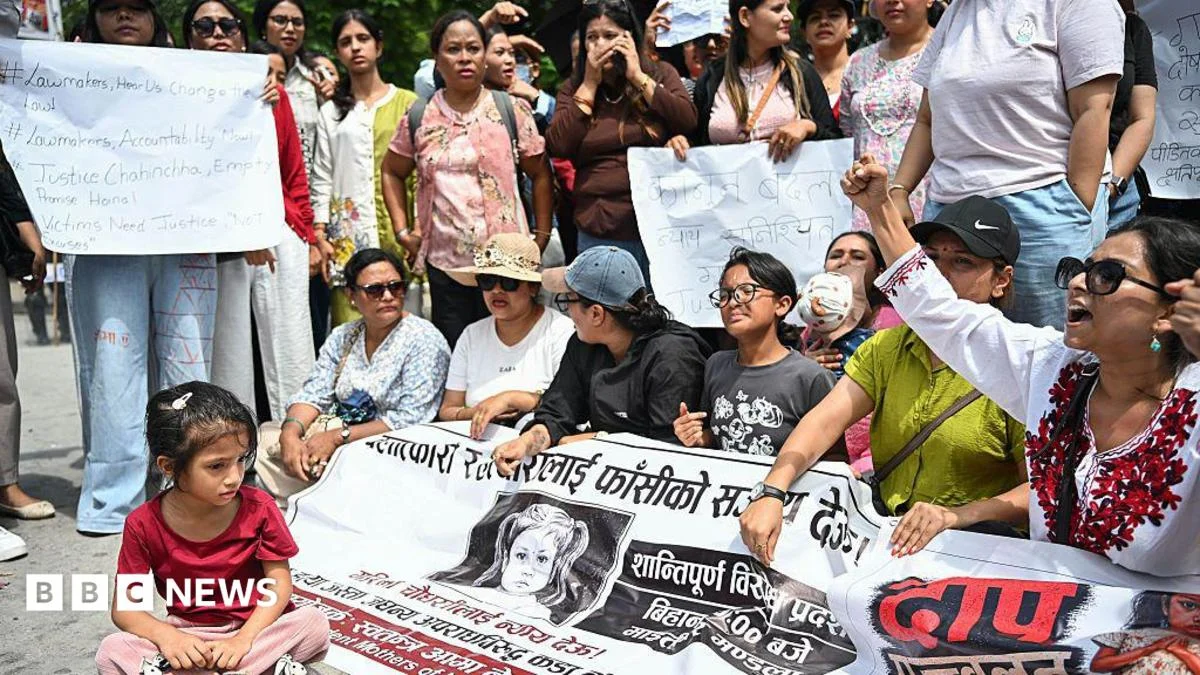
The heinous rape and murder of a three-year-old girl has ignited a firestorm of public anger and grief across Nepal, prompting urgent calls from activists and politicians for the government to enact significantly tougher laws and address systemic failures. The horrific crime, which has sent shockwaves through the nation, has culminated in sustained and impassioned protests since the young victim was discovered lifeless last week, a mere three days after she was reported missing from her home in the Madhesh province. The grim discovery has underscored a palpable sense of insecurity and a deep-seated frustration with the current legal framework and law enforcement’s response to such egregious acts of violence against the most vulnerable.
In the immediate aftermath of the tragedy, nine individuals have been apprehended and are currently in police custody in connection with the case, as confirmed by a local police spokesman who spoke to the BBC. The arrests, while a step towards accountability, have done little to quell the widespread demands for comprehensive legal reform and a more robust approach to protecting children. The crime has also cast a harsh spotlight on alleged negligence by the police in the initial stages of the investigation. This perceived lack of diligence was exacerbated by the deeply disturbing leak of footage showing a teenage suspect, a development that further inflamed public sentiment and raised serious questions about police conduct and the handling of sensitive evidence.
Following days of intense demonstrations and vigils in the city of Simara, a powerful symbol of the nation’s anguish, the grieving family of the victim finally met with government ministers over the weekend. This critical engagement resulted in a written agreement, a crucial step towards appeasing the public and signaling a commitment from the highest levels of government to address the profound concerns raised by this tragedy. The government has publicly pledged to undertake a thorough review of existing laws pertaining to serious offenses, with a particular focus on strengthening penalties and improving investigative protocols. Furthermore, a solemn promise has been made to create a memorial in honor of the child, a poignant gesture intended to acknowledge her tragic loss and serve as a perpetual reminder of the urgent need for societal change.
Beyond the immediate demands for justice and legal reform, the incident has catalyzed a broader and more complex debate concerning Nepal’s approach to dealing with young offenders. A significant segment of campaigners and concerned citizens are vociferously pushing for harsher punishments for minors who are convicted of grave crimes such as rape or murder. This stance reflects a deep-seated fear that current sentencing guidelines are insufficient to deter such heinous acts and do not adequately reflect the severity of the offenses committed. The debate highlights the moral and ethical quandaries involved in prosecuting and punishing children, while simultaneously acknowledging the imperative to protect society from dangerous individuals, regardless of their age.
Prominent human rights activist Gauri Pradhan, a respected voice in Nepal’s civil society, unequivocally condemned the attack, describing it as a "very painful incident." He emphasized the government’s moral and legal obligation to "punish anyone involved in such atrocious act" and stressed that "there should be some serious efforts for wider reforms." Pradhan’s statement underscores the widespread consensus that accountability is paramount and that superficial measures will not suffice. However, in a crucial intervention that reflects the nuanced discussions surrounding justice, he cautioned against the clamor for the introduction of the death penalty. This measured approach acknowledges the potential pitfalls and ethical implications of capital punishment, suggesting that alternative, albeit stringent, measures might be more appropriate and effective within Nepal’s legal and social context.
The anger and frustration were further amplified by the distressing leak of a video showing a teenage suspect providing a statement about the suspected murder. The footage, which appeared on social media platforms, sparked immediate outrage and intense scrutiny regarding the security of individuals in police custody and the integrity of the investigation. Questions swirled about how such sensitive material, captured while an individual was under police protection, could have been disseminated so widely. The leak not only compromised the investigation but also demonstrated a disturbing lapse in protocol and a potential breach of trust in the law enforcement system.
In response to the public outcry and the evident security breach, Dharmendra Kumar Mishra, the chief district officer of Bara district, addressed the media and assured the public of decisive action. He informed the BBC that "one police personnel [was] directly involved in the [leak] and have initiated action against him." Mishra further vowed that "if more officers are found, they will also be punished," unequivocally stating that "We have zero tolerance against such practice." This swift acknowledgment and commitment to holding officers accountable signal a determined effort by the authorities to regain public confidence and demonstrate that such breaches of conduct will not be tolerated.
The tragic case also brings into sharp focus the alarming statistics surrounding sexual violence in Nepal. According to data released by the Nepalese Police, an overwhelming number of accusations of rape and sexual abuse have been filed in recent years. Between July 2017 and July 2025, more than 25,500 such accusations were registered, painting a grim picture of the prevalence of these crimes. Even more disturbingly, within this staggering total, over 3,200 female victims were identified as being under the age of 10, highlighting the extreme vulnerability of young children to sexual predators and the urgent need for enhanced protective measures and stricter enforcement of existing laws. These statistics serve as a stark reminder of the systemic challenges Nepal faces in safeguarding its citizens, particularly its youngest and most defenseless. The ongoing public outcry and the government’s promises of reform offer a glimmer of hope that this tragic event might serve as a catalyst for meaningful and lasting change in Nepal’s approach to combating sexual violence and protecting its children.



 Roy Suryo

 Nakalama John
 atisusanti
 Ramos Leo
