
 atisusanti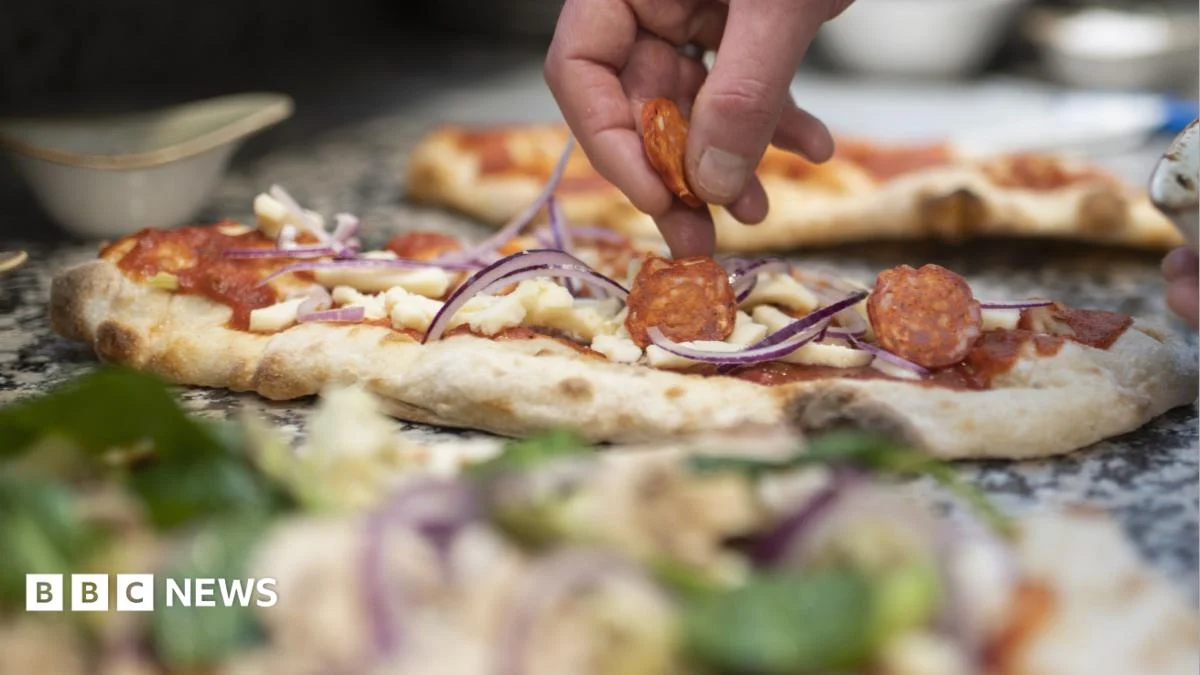
The ambitious dream of fully automated pizza kitchens has, for years, been a tantalizing prospect, yet the reality has proven to be a landscape littered with overcooked promises and melting fortunes. Companies that once touted robotic pizza-making as the future have largely faded into obscurity, leaving behind a trail of failed ventures. Among these fallen pioneers are Picnic, a company that aimed to revolutionize pizza assembly; Zume, which garnered significant investment before its eventual shutdown, reportedly involving the sale of over 300 patents; Pazzi, which employed robotic arms for pizza construction; and Basil Street, a purveyor of pizza vending machines. These departures highlight a recurring theme: the seemingly straightforward task of automating fast food has presented unexpected and formidable challenges. Beyond the technical hurdles, the specter of job displacement looms large, raising concerns about the impact on entry-level positions within the hospitality sector. As the industry grapples with these realities, a crucial question emerges: is a future dominated by robotic pizza chefs truly inevitable?
Even industry insiders acknowledge the struggles. "We haven’t yet seen any of the success stories materialize the way some people thought they would," admits Sara Senatore, a senior restaurants analyst at Bank of America, an institution with financial ties to prominent pizza chains like Papa Johns and Domino’s. Senatore elaborates on the inherent difficulties, noting that food preparation bots can be surprisingly clumsy, often misplacing ingredients. In stark contrast, she observes, "Humans are very efficient at making pizza." This efficiency, rooted in dexterity, adaptability, and a nuanced understanding of the ingredients, appears to be a significant hurdle for current robotic technology to overcome.
Despite these widespread challenges, the vision of a fully automated pizza experience continues to inspire some. Kindell, who has personally experienced the frustrations of the robotic pizza business with Picnic, remains remarkably undeterred. He articulates a clear aspiration: "I want to be able to walk up to, let’s say, a type of kiosk, put in your order, and it makes a fresh pizza." This desire for a seamless, automated ordering and production process stems, in part, from personal experience. Kindell, who once meticulously crafted dough by hand, was compelled to explore mechanical solutions after sustaining an elbow tendon injury. This led him to embark on developing his own iteration of a pizza-making robot.
While he remains tight-lipped about the specific technical details, Kindell reveals that his contraption will focus on producing square pan-style pizzas, drawing inspiration from the principles of 3D printing. He projects a fully operational version of his device by the summer of 2027. Given his self-professed lack of prior experience in robotics, his commitment to such a high-risk venture invites scrutiny. Kindell, however, views the failures of previous pizza robot companies not as dead ends, but as valuable stepping stones. He believes these ventures have generated crucial data and advanced the underlying technology, asserting that it is merely a matter of time before a successful implementation emerges.
Addressing the contentious issue of job displacement, Kindell maintains that even fully autonomous pizza robots will not necessarily decimate the workforce. He cites his experience at T-Mobile Park, the home of the Seattle Mariners baseball team, where Picnic’s robots were deployed. In a traditional setup, he explains, approximately ten individuals were required to produce pizza. The introduction of robots reduced this number to just two. However, he emphasizes that the remaining eight individuals were reassigned to roles that involved customer interaction and promoting the pizza within the stadium. "We had so many more people able to hand out the pizza," Kindell notes. "It was so much faster." This perspective suggests a potential shift in human roles, from direct food preparation to customer engagement and service enhancement.
For some robotics engineers in the pizza sector, the driving force is undeniably speed and efficiency. At the John Glenn Columbus International Airport in Ohio, the Canadian firm Appetronix recently installed a 24/7 robotic pizza unit for the Donatos pizza chain. Appetronix is actively developing next-generation technology, aiming to achieve unprecedented pizza assembly speeds. Nipun Sharma, co-founder and chief executive of Appetronix, articulates the ambitious goal of having a pizza emerge from their machines "every minute." To achieve this, his team is exploring innovative methods for sauce application, seeking to dramatically reduce the current 9.5-second deposition time. Sharma likens the potential solution to a high-pressure shower head, capable of dispensing sauce in a mere 1.5 seconds.
The pursuit of speed extends to slicing as well, with Appetronix investigating the use of lasers and ultrasound as potentially more efficient alternatives to traditional knife blades. However, the notion of a machine preparing a meal raises questions about the consumer experience. Many patrons cherish the artisanal quality and human connection associated with hand-crafted pizza. Sharma counters this by stating, "What we’re going after is a chain market. You want the pizza to taste the same every single time." This statement encapsulates a fundamental divide within the pizza industry, a chasm between businesses prioritizing consistency and repeatability, and those that champion a more personalized, human-centric approach to food preparation.
This dichotomy, predating the advent of robotics, is poised to significantly influence the integration of technology into the pizza landscape. Paul Giannone, owner of Paulie Gee’s pizza restaurants, famously vowed to Mashable five years ago that he would "never" employ a robot, a stance he maintains today. "Our shops offer a dining experience with personal customer service a high priority," he asserts. Senatore concurs, suggesting that human interaction is becoming even more critical in today’s market, particularly for restaurants considering the introduction of pizza robots. "It’s a risky proposition to not have people," she warns, highlighting the potential loss of the "human touch" and the risk of customer frustration if machines malfunction without human intervention.
Despite these reservations, the relentless march of pizza technology is unlikely to cease. The companies that have seemingly vanished from the scene continue to cast a long shadow, influencing new food tech ventures. The extensive intellectual property of Zume, comprising over 300 patents, was acquired by Miso Robotics of California. Rich Hull, CEO of Miso Robotics, acknowledges the brilliance of Zume’s vision for robotic pizza making, attributing their past struggles to being "a beat too early in the market" and customers not being "ready" for robot-made pizza. Miso Robotics is already recognized for its French fry-cooking bot, Flippy, which is deployed in several U.S. fast-food establishments. Hull suggests that the Zume patents could empower Miso Robotics to enhance Flippy’s capabilities, though he remains circumspect about specific applications, stating, "That’s one of those things that we’re going to be learning about."
The dynamic and competitive nature of the fast-food pizza business is set to persist, with Kindell remaining steadfast in his pursuit of automating pizza production. "There is no doubt in my mind that there will be a fully autonomous pizza robot," he confidently declares. "It’s just, who’s going to do it first?" This ongoing race underscores the enduring allure of robotic innovation, even in the face of significant setbacks and the continued value placed on human craftsmanship. The future of pizza may well be a blend of technological advancement and the timeless appeal of a perfectly crafted pie, but the path to achieving that future is proving to be far more complex than initially anticipated.


 George Anjay
 Nakalama John
 Ramos Leo
 Roy Suryo
 Nana Banana