
 Ramos Leo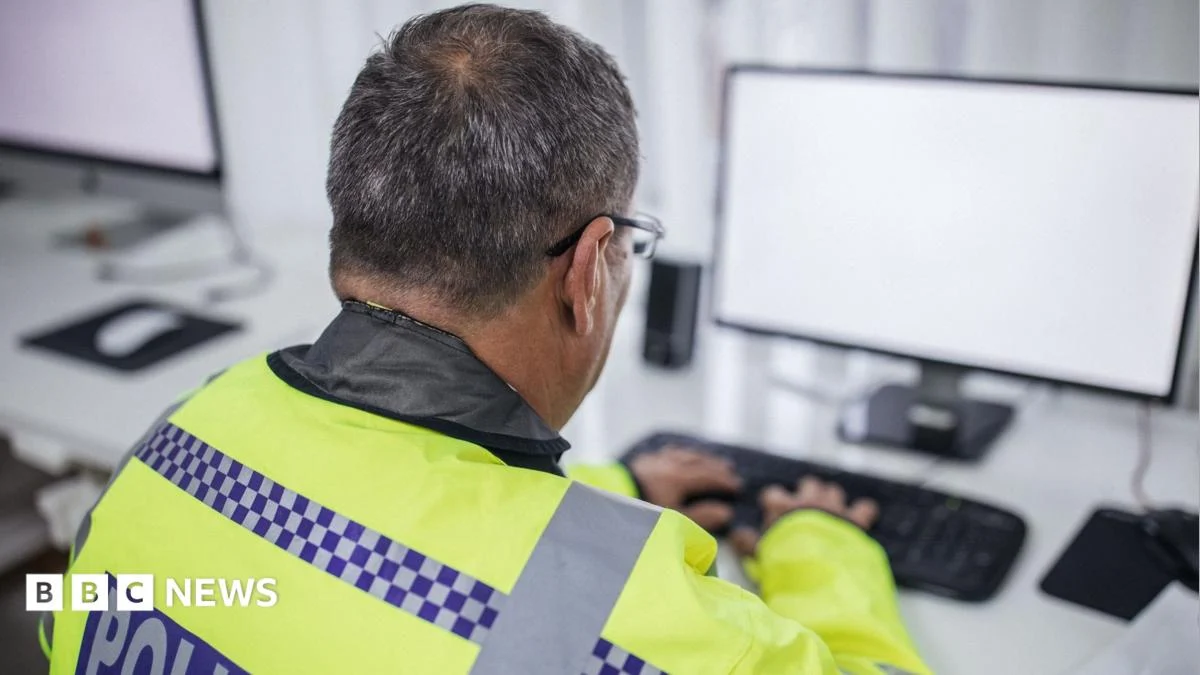
The government’s decision to expedite the rollout of this specialised scheme by a substantial 18 months underscores a renewed and urgent commitment to addressing these deeply damaging crimes. Originally, a similar plan had been put forth by Sir Keir Starmer’s government, with an anticipated completion date in the summer of 2029. However, Prime Minister Andy Burnham has asserted that such a timeline was "too slow," stressing the imperative for ministers to be "laser focused" on dismantling the structures that perpetuate sexual violence and abuse. The acceleration reflects a recognition that the current investigative landscape often falls short, leading to inconsistencies and a lack of confidence among victims.
Beyond the introduction of specialist teams, the government is also allocating additional financial resources to bolster protection orders, tools designed to safeguard victims and manage offenders. Up to ten police forces across England and Wales are set to receive a share of a £13.3 million fund specifically earmarked for enhancing the teams responsible for managing these critical orders. This funding aims to strengthen the enforcement mechanisms surrounding protection orders, which can include electronic monitoring, exclusion zones, and other restrictive measures intended to prevent further harm and break cycles of abuse.
Prime Minister Burnham articulated the gravity of the situation, stating, "The scale of violence and abuse suffered by women and girls in this country is unacceptable." He further elaborated on the government’s comprehensive approach: "We’re taking action to accelerate the roll out of specialist rape and sexual offence teams, who will go after perpetrators, enforce strict new protection orders to protect survivors, and invest in programmes to intensively manage offenders to break the cycle of abuse." This multi-pronged strategy seeks not only to improve conviction rates but also to provide robust support for survivors and implement effective interventions for offenders.
The announcement has been met with a cautious welcome from victim support organisations, though many stress that while positive, these measures represent only a fraction of the broader systemic changes required. Refuge, a leading charity dedicated to supporting victims of domestic abuse and sexual violence, praised the steps but highlighted the extensive work still needed. Ellie Butt, Refuge’s head of policy and public affairs, commented that these measures "represent only a small portion of what is needed to ensure all survivors can access timely and effective support." She expressed hope that this announcement would serve as "the first step of many" in Prime Minister Burnham’s comprehensive strategy to tackle VAWG.
Butt’s observations also delved into the operational effectiveness of existing tools, noting that protection orders, despite their potential, are "highly underutilised" and that "enforcement is often inadequate." This points to a deeper systemic issue where the mechanisms designed to protect victims are not always functioning as intended, either due to a lack of resources, inconsistent application, or a broader failure to instil confidence in the justice system. "Survivors often avoid reporting the abuse they’ve experienced to the police for fear of being disbelieved or undermined," she explained. "So for protection order teams to increase uptake of these tools, genuine efforts are needed to build women’s and girls’ confidence in policing and ensure abuse does not go unreported." This sentiment underscores a critical challenge: without trust, even the most well-intentioned reforms may struggle to achieve their full impact.
The move to create dedicated specialist teams addresses a long-standing criticism that the investigation of rape and sexual offences has been inconsistent, often described as a "postcode lottery" by Home Secretary Shabana Mahmood. In December, when she initially announced plans for these specialist investigation teams, Mahmood described violence against women and girls as a "national emergency." Her statement highlighted the disparity in how cases are handled across different police forces, often leading to varied outcomes for victims depending on their geographical location. These specialist teams are intended to standardise and elevate the quality of investigations, ensuring a more consistent, trauma-informed, and effective approach nationwide.
Minister for Safeguarding Satvir Kaur reinforced the government’s resolve, stating that violence against women and girls represents "one of the most critical challenges of our time." She affirmed that the government is strengthening its response by "relentlessly pursuing perpetrators and helping victims live their life without fear." This commitment extends beyond merely reactive measures, aiming to foster a societal environment where women and girls can live free from the pervasive threat of violence and abuse.
The acceleration of these VAWG initiatives comes at a politically sensitive time for the government, particularly as the Prime Minister faces increasing scrutiny over the controversial early release scheme for prisoners. Designed to alleviate severe overcrowding in the country’s penal institutions, the scheme has been met with widespread concern, particularly regarding the categories of offenders deemed eligible for early release. While the plans were temporarily paused earlier in the summer, and eligibility criteria were subsequently tightened to exclude those convicted of rape, serious child sex offences, and grooming, a significant loophole remains.
Domestic Abuse Commissioner Nicole Jacobs has vociferously criticised the scheme for its failure to exclude domestic abusers, a decision she branded as "wrong and puts victims’ lives at risk." Her concerns amplify the anxieties of victim advocacy groups and the public, who fear that early release could expose survivors to further danger. Earlier this month, Jacobs issued a stark warning: "It is critical that no abuser is released in October unless I am confident that victims’ safety is not being compromised." This statement highlights a profound tension between the government’s stated commitment to tackling VAWG and the perceived risks associated with its prison management policies. Justice Secretary Alex Norris is expected to present the findings of a review into the scheme next week, upon MPs’ return to Parliament from their summer recess, a report that will be scrutinised intently for its implications on victim safety and the broader criminal justice system. The ongoing debate surrounding the early release scheme underscores the complex and often conflicting demands placed on government policy when balancing public safety, victim protection, and the practical challenges of prison capacity.

 George Anjay
 Nakalama John
 atisusanti
 Roy Suryo
 Nana Banana