
 Nakalama John
A significant shift in the UK rental market has been observed following the introduction of new legislation, as searches for pet-friendly properties on the popular property portal Rightmove have plummeted. Data reveals a substantial decrease of over 50% in May and June compared to the previous year, indicating a changing dynamic in how tenants approach pet ownership in rented accommodation. This trend has accelerated throughout the year as the new rules, part of the Renters’ Rights Act in England, approached implementation in May 2024 and subsequently came into effect. Under these landmark changes, landlords in England are now legally prohibited from unreasonably refusing a tenant’s request to keep a pet in their property, aiming to make renting more accessible for the nation’s many pet owners.

The drastic reduction in direct searches for "pet-friendly" properties suggests a widespread belief among renters that the new law has made it considerably easier, if not guaranteed, to secure accommodation with their beloved animals. However, industry experts caution that this perception may be leading to misunderstandings, as the legislation does not grant an automatic right to keep any pet in any property. Megan Eighteen, immediate past president of the prominent lettings agents trade body ARLA Propertymark, clarified the nuances of the new rules. "Landlords must consider requests fairly and cannot unreasonably refuse them, but they can still decline where there is a valid reason," she explained, highlighting the "potential for misunderstanding" among tenants regarding the extent of their new rights.
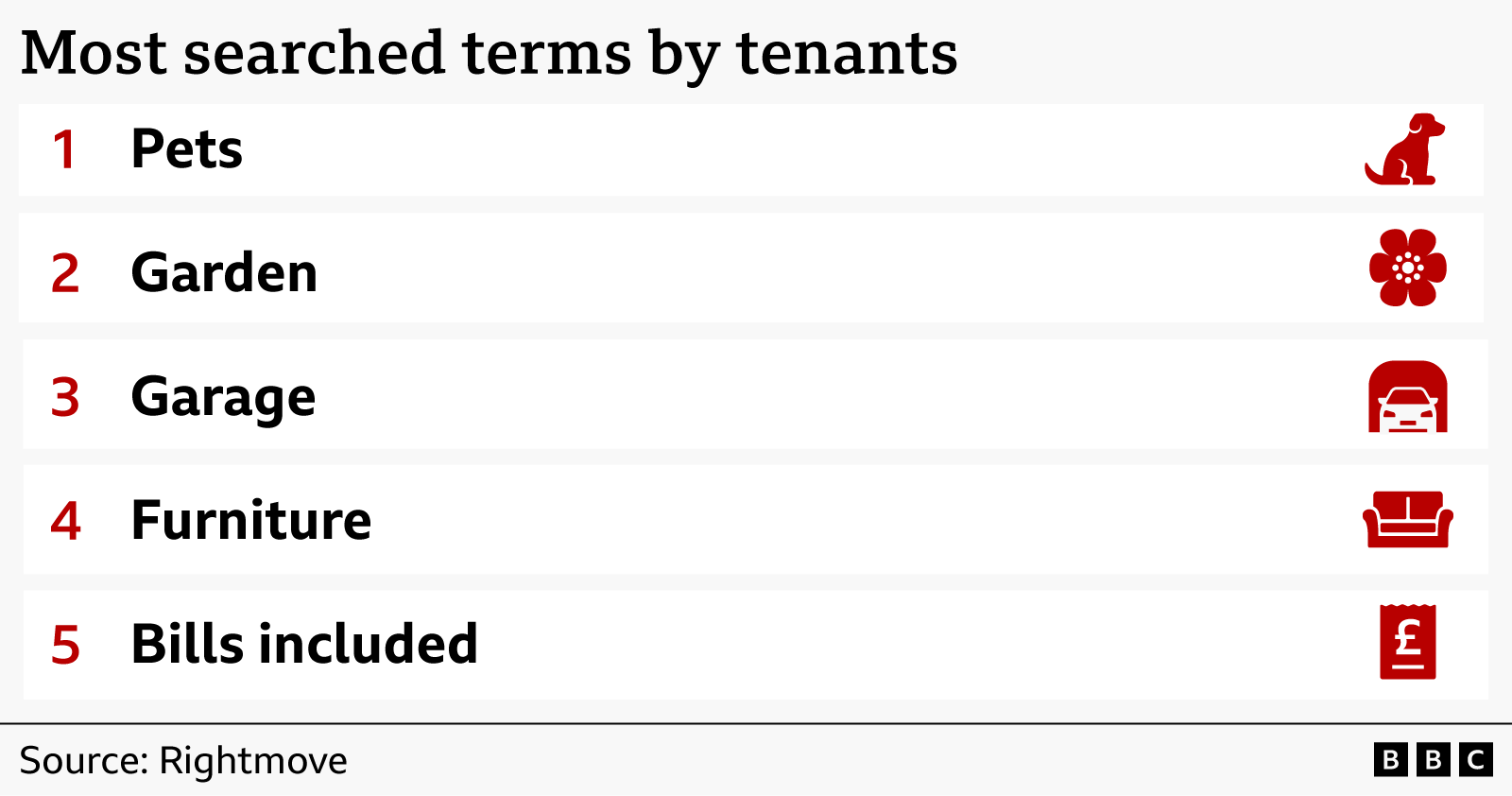
Rightmove’s detailed statistics underscore this evolving behaviour. While "pets" historically remained the most frequently used search term among prospective renters, consistently outranking other desirable features like "gardens," "garages," and "furnishings," its dominance is now diminishing. The fall of 54% in May and 52% in June year-on-year signifies a dramatic shift. This decline implies that fewer tenants are proactively filtering for pet-friendly options, perhaps assuming that most properties will now consider their request, or that discussing pet ownership can be deferred until later in the application process.

Marc von Grundherr, director of the agency Benham and Reeves, corroborates this behavioural change, noting that some tenants have only revealed the presence of a pet after successfully signing their tenancy agreement. In other instances, pets have been discovered during routine property inspections. "The reality is that tenants now understand the balance of power has shifted," von Grundherr stated. "Landlords can no longer rely on a blanket ‘no pets’ policy to deter applications and should instead expect conversations around pet ownership to arise much later in the letting process." This indicates a strategic shift by tenants, who may be prioritising securing a property first, then negotiating pet terms, rather than limiting their initial search.
Despite the tenant-favourable adjustments, landlords in England retain legitimate grounds for refusal. The legislation specifies that a landlord may still decline a pet request if another tenant in the building has a severe allergy, if the property’s size or layout is genuinely unsuitable for a large or multiple pets, if the proposed pet is illegal (e.g., certain dangerous dog breeds), or if the landlord themselves is a leaseholder and the freeholder’s terms explicitly forbid pets. These provisions are designed to strike a balance, protecting both landlord interests and the welfare of the property and its occupants.
The emotional toll of previous restrictions on pet owners was significant, a sentiment powerfully articulated by Eve Williamson, a 41-year-old former hairdresser from London. Prior to the law change, Eve faced the heartbreaking ultimatum of either rehoming her beloved American Bulldog, Khan, or facing eviction, despite having previously kept a dog in the property without issue. She described the experience as "awful," particularly as Khan had provided immense comfort and companionship while she was a full-time carer for her mother. "Life can get tough, but pets bring unconditional love," Eve passionately declared. "They’re family." Fortunately, Khan has since found a loving new home, and Eve expresses her delight with the new legislation, hoping it prevents others from enduring similar distress.
Another tenant, Katie Smith, 29, from Swindon, shares her home with two cats, Pumpkin and Pippin. As a new mother, Katie believes that pets enrich family life, creating "wonderful moments" and teaching children invaluable lessons about life and even death. However, even with the new rules in place, she observes that the selection of available rental properties still "drops sharply on property portals when pets are part of the equation." Katie urges landlords to "give them a chance," suggesting that a more open-minded approach is needed. Despite the legal shift, many pet owners continue to face perceived resistance and a reduced pool of suitable homes.

Russell Hunt, founder of Pets Lets, a specialist service that connects pet owners with suitable rental properties, echoes Katie’s concerns. He asserts that even under the revised framework, landlords are still finding what he considers to be "excuses" to refuse potential tenants with pets. Hunt, who lives with his Basset Beagle cross, Biscuit, and three teenagers (whom he playfully suggests are more disruptive than the dog), advocates for a more nuanced approach. He champions the use of "pet CVs," detailed profiles that could include information such as vaccination records, behaviour notes, vet references, and even photographs. Hunt believes landlords should assess each pet request on its individual merits, rather than applying blanket assumptions. He suggests that an older dog, for instance, might be calmer and sleep more, making it less disruptive than a young, energetic puppy. He highlights that pet owners often make stable, long-term tenants, which can be a significant benefit to landlords.
Representatives for landlords acknowledge the deep bond between tenants and their pets but emphasise the genuine and often costly risks involved. Chris Norris, chief policy officer at the National Residential Landlords Association (NRLA), articulated these concerns. "Many landlords have legitimate concerns about the risk that some irresponsible pet owners pose to rental properties, or that some owners may try to keep pets in properties that are not appropriate for animals," Norris explained. Landlords face a range of potential issues, including damage to carpets and flooring from scratches or stains, chewed furniture or skirting boards, lingering pet odours, and the risk of flea infestations requiring professional treatment. Beyond physical damage, there are also considerations regarding noise disturbances to neighbours and potential complications with property insurance policies.

Regarding the financial aspects, Lesley Horton, the UK’s chief property ombudsman, has provided crucial clarification. She stated unequivocally that landlords are prohibited from levying specific "pet surcharges." Such fees fall outside the legally permitted charges for tenants, which are typically limited to issues like late payments or replacement costs for lost keys. However, Horton confirmed that landlords can make deductions from a tenant’s security deposit at the end of the tenancy, but only for proven pet-related damage. This necessitates thorough inventory checks at the beginning and end of the tenancy to document the property’s condition and demonstrate any damage attributable to the pet.
The new Renters’ Rights Act represents a significant legislative effort to address a long-standing issue for pet owners in the private rental sector. It reflects a growing recognition of the role pets play in people’s lives and aims to reduce the difficult choices many have faced between their beloved animals and secure housing. However, the initial data from Rightmove, coupled with anecdotal evidence from tenants and agents, indicates that the implementation of the law is still in its early, complex stages. The dramatic drop in pet-friendly searches suggests a behavioural adaptation among tenants, possibly rooted in a misunderstanding of the law’s limits or a strategic shift in how they disclose pet ownership. For the law to achieve its full intended effect, clearer communication, greater understanding on both sides, and a willingness from landlords to genuinely consider individual pet requests, perhaps aided by comprehensive pet CVs, will be essential in shaping a truly pet-inclusive rental market. This evolving landscape highlights the ongoing tension between tenant rights and landlord responsibilities, requiring continued dialogue and adaptation from all stakeholders to navigate successfully. The impact on animal welfare organisations, which previously saw pets surrendered due to housing issues, remains to be fully assessed but is hoped to be positive in the long term.




 Roy Suryo

 atisusanti
 Ramos Leo
