Roy Suryo
More people have become ill in an escalating outbreak of salmonella food poisoning that the UK Health Security Agency (UKHSA) is actively investigating, with imported eggs and dishes prepared outside the home emerging as the prime suspects. While the investigation is ongoing and many details remain to be uncovered, a significant amount of information has been gathered regarding the nature of the outbreak, the bacteria involved, and the precautions individuals and businesses should take.
Salmonella is a group of bacteria commonly found in the intestinal tracts of animals, including cattle, pigs, and chickens. These bacteria are shed in animal faeces, and contamination of food products can occur through various routes. Transmission to humans typically happens through the consumption of contaminated food or water, or through direct contact with infected animals and then touching one’s mouth. Person-to-person transmission is less common but can occur if proper hygiene practices are not followed after contact with an infected individual.
The symptoms of salmonella infection, commonly known as salmonellosis, usually manifest between 12 and 72 hours after exposure to the bacteria. These symptoms can include abdominal cramps, diarrhoea, vomiting, and fever. While most individuals recover from salmonella infections without specific medical intervention, certain groups are at a higher risk of developing severe complications. These vulnerable populations include the elderly, infants, and individuals with compromised immune systems. In severe cases, hospitalisation may be necessary for supportive care, including intravenous fluids and, in some instances, antibiotic treatment. Anyone experiencing concerning symptoms should consult their general practitioner or an out-of-hours service for guidance.
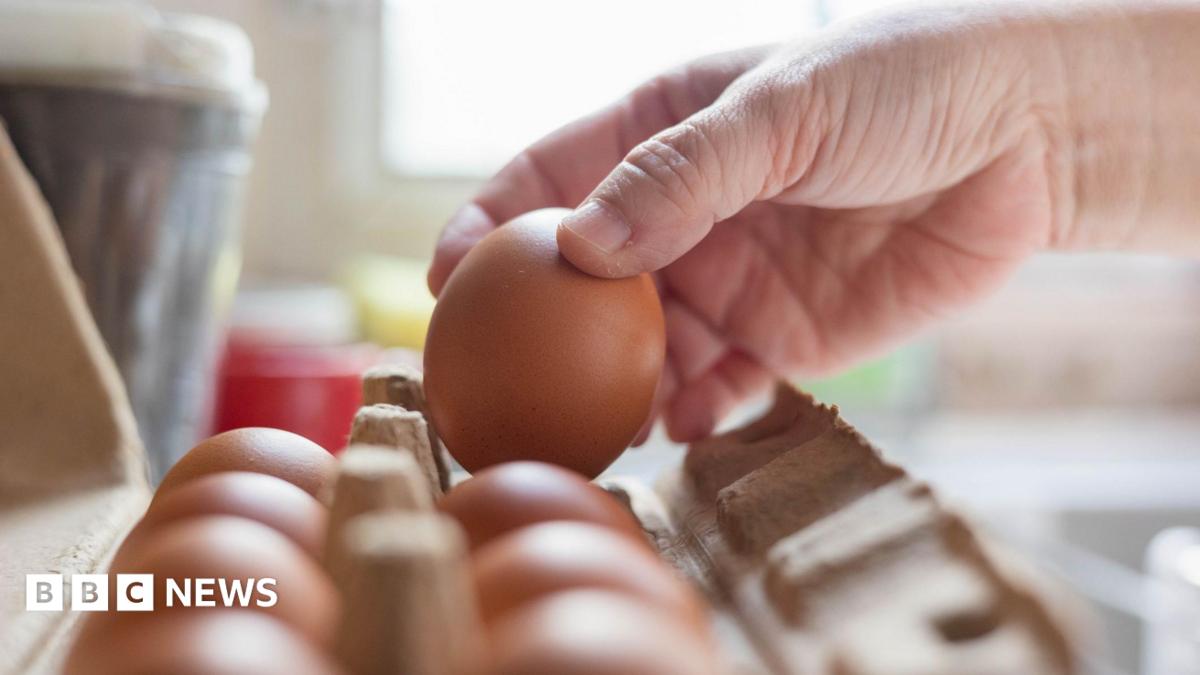
Thorough cooking of food, particularly eggs and poultry, is a highly effective method for eliminating salmonella bacteria and preventing infection. Beyond cooking, stringent hygiene practices are crucial. This includes meticulous handwashing before preparing food, after using the toilet, and after any contact with animals. While the current outbreak has seen a significant number of infections, evidence suggests that most cases are not linked to food cooked at home, pointing towards a different source of exposure. The Food Standards Agency (FSA) has proactively issued updated guidance to catering businesses, emphasizing the importance of safe storage and handling of eggs, a critical step in mitigating risks associated with food prepared in commercial settings.
The geographical spread of the current salmonella outbreak is notable, with the majority of reported cases concentrated in England, including regions such as London and Yorkshire and the Humber. However, cases have also been identified in Scotland, Wales, and Northern Ireland, indicating a national concern. To ascertain the interconnectedness of these cases, health authorities have employed whole-genome sequencing, a sophisticated genetic fingerprinting technique. This analysis has revealed that the bacteria responsible for these infections are remarkably similar, with only a few DNA sequence differences. This genetic relatedness strongly suggests that all the identified cases stem from a single, common source, confirming the existence of a widespread outbreak.
The leading hypothesis for the source of this outbreak points towards imported eggs. Genetic analysis of the salmonella strains involved shows a striking resemblance to those identified in a previous outbreak linked to imported eggs. Extensive interviews with individuals affected by the current outbreak have provided further evidence, with responses highlighting eggs as the "strongest signal" or most significant clue. Investigations have identified links to five unnamed businesses or food establishments, where diners have reported consuming dishes containing eggs. These establishments, it is understood, may source their eggs from a variety of suppliers, including those from outside the UK. In some affected localities, concerns have also been raised regarding hygiene practices within these establishments. Crucially, at this juncture, there is no identified link to UK-produced eggs or poultry, a testament to the stringent food safety measures in place within the domestic industry.
When selecting eggs, consumers are advised to adhere to standard food safety recommendations. Thoroughly cooked eggs, handled with proper hygiene, are considered safe for consumption. For vulnerable groups—infants, young children, pregnant individuals, and the elderly—the advice is to consume only runny or raw eggs that bear the British Lion mark or are produced under the Laid in Britain egg assurance scheme. Individuals with compromised immune systems should always follow the specific advice of their healthcare providers. Dr. Kathleen O’Reilly from the London School of Hygiene and Tropical Medicine further advises consumers to check the food hygiene ratings of restaurants and cafes before dining out, as this can provide an indication of the establishment’s commitment to food safety standards.
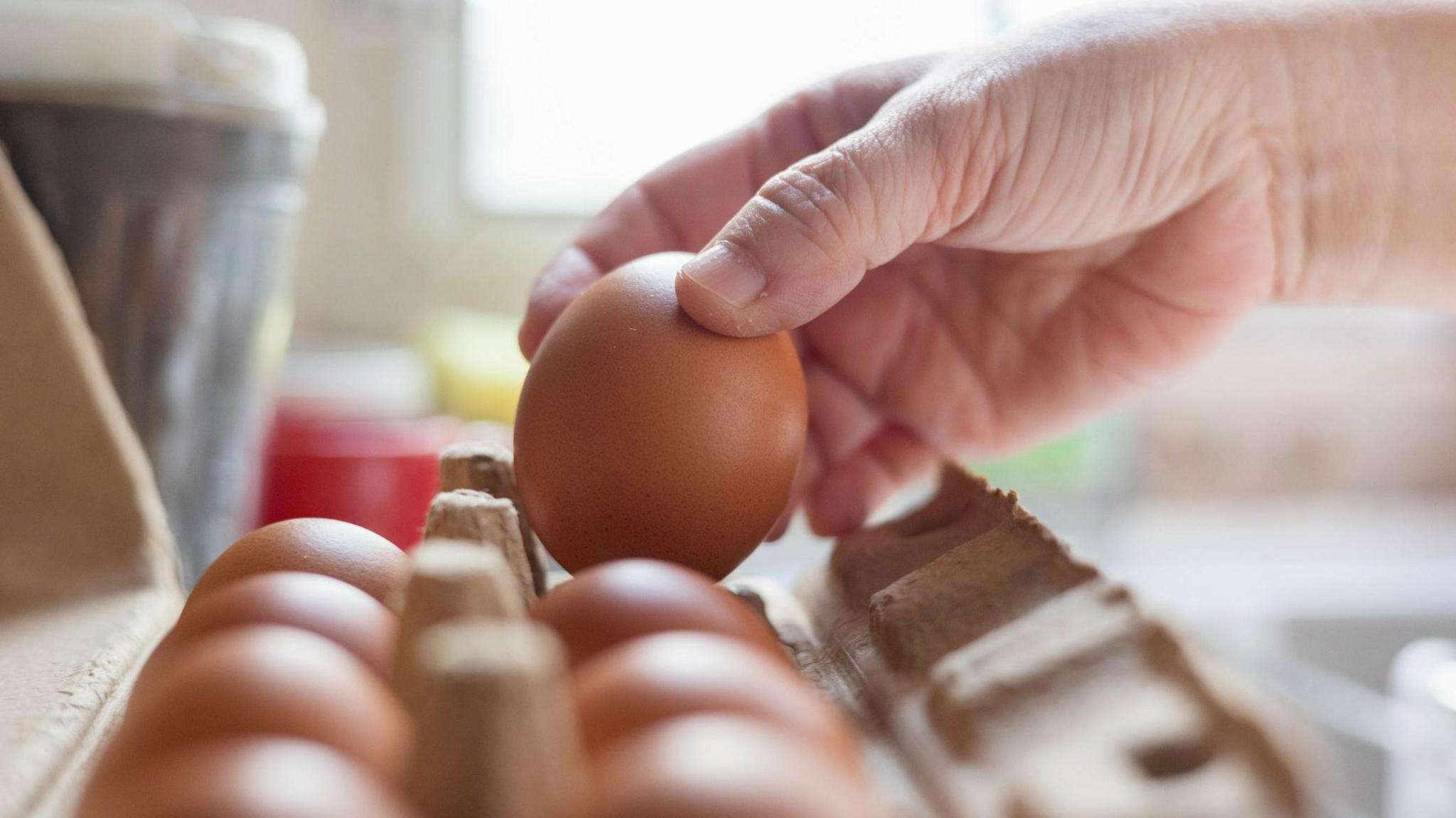
The safety of British eggs is underpinned by a robust system of controls and quality assurance measures. A pivotal development was the introduction of vaccination programmes for commercial hens against common salmonella strains in the mid-1990s. This initiative has been lauded as a significant public health achievement, substantially reducing the incidence of egg-associated salmonella infections in the UK. Complementing this is the British Lion Scheme, established in 1998. Suppliers whose eggs carry the British Lion mark must adhere to a rigorous code of practice. This code encompasses mandatory hen vaccination, regular testing for salmonella, and a comprehensive passport system ensuring traceability of the hens. Professor Paul Wigley from the Bristol Veterinary School attributes ongoing improvements to enhanced surveillance and detection capabilities. However, he highlights that the UK still imports a substantial volume of eggs and egg products. If the countries of origin do not implement the same rigorous control measures, salmonella contamination can enter the food chain. Mark Williams, chairman of the British Egg Industry Council, urges food businesses that import eggs to diligently verify their supply chains, confirm vaccination status, and ensure all necessary food safety checks have been conducted.
Despite the progress made in understanding the outbreak, several critical questions remain unanswered. Health experts are still working to definitively confirm eggs as the definitive source of the outbreak. The UKHSA continues to conduct interviews with individuals who have been confirmed to have contracted the bug, gathering further epidemiological data. Local authorities are undertaking targeted testing of businesses suspected of involvement, alongside opportunistic testing where appropriate. A comprehensive examination of the entire supply chain is also underway, scrutinizing where the eggs or egg products were consumed, supplied, stored, and farmed. The ultimate goal is to identify the exact source and country of origin, a crucial step in limiting further infections. A significant challenge in this process is that imported eggs can originate from multiple mixed sources, making precise tracing complex. The UKHSA has proactively alerted international health agencies to this outbreak, enabling them to investigate any genetically similar infections within their jurisdictions. While salmonella infections are a recurring occurrence in the UK, outbreaks that escalate as rapidly as this one are relatively uncommon. Scientists are keen to meticulously examine the specific factors that have contributed to this accelerated growth and spread.