
 Nakalama John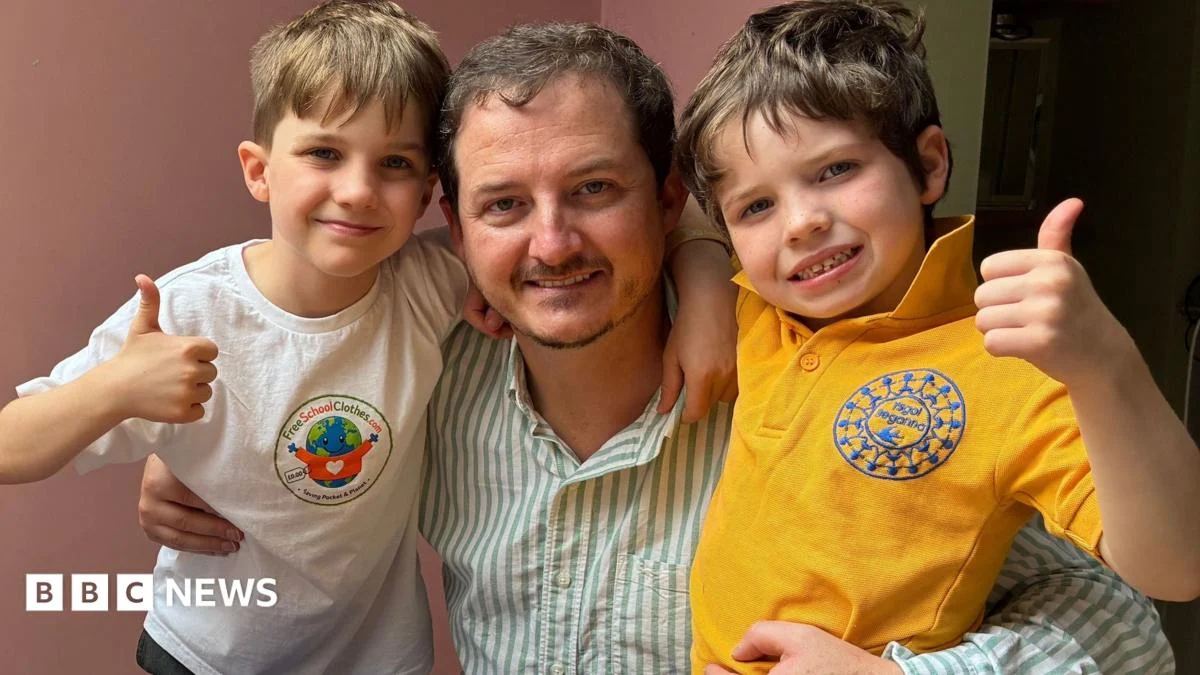
A pioneering initiative launched by a Cardiff father, Jon, four years ago to alleviate the financial strain of school uniforms has burgeoned into a nationwide phenomenon, now involving over 200 schools across the UK. What began as a local solution born from the pressures of the cost-of-living crisis has evolved into a sophisticated online platform, demonstrating the profound impact of community-driven solutions. Jon’s "Free School Clothes" scheme addresses a critical need for families grappling with the ever-increasing expense of kitting out their children for school, an outlay that can easily run into hundreds of pounds per child each academic year.
The genesis of the Free School Clothes scheme was remarkably humble. Jon, a concerned parent, initially set up a simple plastic collection box outside his home, inviting fellow parents at his children’s primary school to donate outgrown but still good-quality uniforms. The overwhelming positive response quickly underscored the widespread demand for such a service. Recognizing the potential to scale this invaluable resource, Jon transitioned the initiative from a local, informal exchange to a dedicated website, launched in March. This digital transformation has been instrumental in its rapid expansion, facilitating the exchange of an astonishing 8,000 items to date. The website provides a streamlined, user-friendly platform where families can list their pre-loved school clothing and other items, making them available to others within their school community. Families can browse available items, request what they need, and then arrange convenient local collections, fostering direct community engagement.
The financial relief offered by the scheme is substantial and far-reaching. Jon estimates that the website has the potential to save Welsh families alone more than £50 million annually, a figure that highlights the sheer scale of the financial burden school uniforms impose. To put this into perspective, official figures from the UK government reveal the average cost of school uniforms to be approximately £343 annually for a primary school child and a staggering £442 for a comprehensive (secondary) school pupil. For families with multiple children, these costs compound rapidly, creating a significant and often unmanageable additional strain on household budgets already stretched thin by rising inflation and stagnant wages. Jon articulates this stark reality, stating, "If you’ve got more than one kid, that’s a significant additional cost to the family budget." His scheme directly confronts this challenge, offering a tangible alternative to purchasing new, often expensive, branded items.
Beyond the immediate financial benefits, the Free School Clothes scheme champions a crucial cultural shift: challenging the pervasive stigma often associated with second-hand items. Jon’s ethos, "We always say second hand doesn’t need to be mean second best," encapsulates the core message of quality and dignity embedded within the initiative. In a society often driven by consumerism and the desire for new possessions, particularly for children, the idea of wearing pre-owned clothing can carry a social stigma. The scheme actively works to normalise and even celebrate the reuse of perfectly good garments, promoting a mindset where sustainability and resourcefulness are valued.
The profound impact of the scheme resonates deeply with parents like Elise, a mother of three who has experienced first-hand the escalating costs of outfitting her children. Having recently picked up a new uniform for her son, Charlie, through the swap shop, Elise articulates the financial pressures vividly: "It’s really expensive, I’ve got three kids, you’ve got to get jumpers, T-shirts, trousers, shoes, double all of them because of the washing, so it’s amazing for saving money." Her experience underscores the volume of clothing required and the continuous cycle of replacement as children grow and wear out items. However, Elise’s motivation extends beyond just monetary savings; she is also a strong advocate for sustainability. "I never buy anything new if I can help it because it seems such a waste when there’s pre-loved which can be handed on," she explains, highlighting the dual benefits of the scheme in alleviating financial stress and promoting environmental responsibility. She praises the scheme’s effectiveness, noting that she can consistently find what her children need. "You can say ‘oh I’m really looking for some jumpers in age seven to eight or has anyone got the school uniform or the PE kit that we need’ and nine times out of 10 somebody would be able to go ‘oh yeah, I have actually I was going to pass that on or do something with it’ and then we swap it over." This seamless exchange fosters a sense of community and mutual support among parents.
The origins of the scheme are rooted in Jon’s collaboration with Ysgol Treganna in Cardiff, his children’s school, where he initially launched the swap shop in 2022. The partnership with deputy head Gareth Evans exemplifies how schools can integrate such initiatives into their operations. Evans describes a practical and efficient system: "At the end of each half term, myself and Tom will look at what’s left in lost and found, basically what hasn’t been reclaimed and then Tom and his group of friends will then bag everything up and take them home to Jon to add to the website." This systematic approach ensures that lost but unclaimed items are given a second life, preventing waste and contributing directly to the swap shop’s inventory. This hands-on involvement from the school community highlights the collaborative spirit driving the scheme’s success.
The Free School Clothes scheme is not merely a financial aid; it is a powerful statement about sustainability and environmental stewardship. Jon emphatically states, "This is helping families to save both their pocket and the planet." The environmental dimension has proven particularly effective in capturing public interest and fostering engagement. The fashion industry, including school uniforms, contributes significantly to global waste and carbon emissions. By extending the lifecycle of garments, the swap shop directly reduces textile waste sent to landfill, conserves resources used in manufacturing new clothes, and lowers the carbon footprint associated with production and transportation. It embodies the principles of a circular economy, where resources are kept in use for as long as possible, extracting maximum value from them. Jon envisions a future where this practice becomes the norm, not the exception. "There are 30,000 schools within the UK, all or most will be using school uniforms in one way shape or form, so the potential is definitely there to help many more schools," he observes, pointing to the immense scalability of the model. His ultimate ambition extends beyond mere transactions; it’s about a "culture change and the change in sort of instinct around second-hand school clothes so that this becomes normal practice." This profound shift in consumer behaviour would have lasting benefits for both families and the environment.
The initiative’s reach now extends to large institutions like Kingsbury High School in London, a sprawling secondary school with 2,000 pupils. Tara Randall, the school’s sustainability lead, underscores another critical aspect of the scheme: its ability to discreetly tackle the stigma of asking for help. Especially among secondary school students, where "street cred" and fitting in are paramount, the idea of wearing second-hand clothes can be a source of anxiety or embarrassment. Randall notes, "This is done in a discreet way, so there’s no stigma." The platform’s design, which allows parents to arrange their own drop-offs and pick-ups, ensures privacy and removes the potential for public scrutiny. This approach not only normalises swapping but also fosters a sense of community among parents and carers who might otherwise feel isolated in large school environments. "I guess the extra benefit on top of that is that you might find parents and carers from a community or connect in that kind of way, because it can feel very remote in secondary schools," Randall adds, highlighting the unexpected social benefits of the scheme.
While Jon’s scheme offers universal support, it operates against a backdrop of existing, albeit limited, government assistance. In Wales, some families may qualify for a grant offering up to £200 per child to help cover school equipment costs. However, this grant is strictly means-tested, available only to families on low incomes or those with children in local authority care, leaving a significant portion of the population still struggling. In England, legislative changes are also being implemented to ease the financial burden. From September, school uniform policies will be limited, with schools only able to require a maximum of three items bearing a school logo – typically a blazer, jumper, or sportswear, plus a tie for secondary schools. This measure aims to give parents more flexibility and reduce costs by allowing them to purchase unbranded items from a wider range of retailers. While these government interventions are a step in the right direction, they often fall short of addressing the full scope of the problem or providing universal relief. Jon’s Free School Clothes scheme offers a complementary, community-led solution that transcends income brackets and provides a continuous, adaptable resource for all families.
The success of the Free School Clothes scheme is a testament to the power of grassroots innovation in addressing complex societal challenges. By tackling financial hardship, promoting environmental sustainability, building community connections, and dismantling social stigmas, Jon’s initiative offers a holistic model for supporting families and fostering a more responsible, resourceful society. Its rapid expansion from a single plastic box to a network of over 200 schools underscores its relevance and immense potential to reshape how we approach school uniforms and, indeed, consumption itself, for generations to come.


 George Anjay
 atisusanti
 Ramos Leo
 Roy Suryo
 Nana Banana