Roy Suryo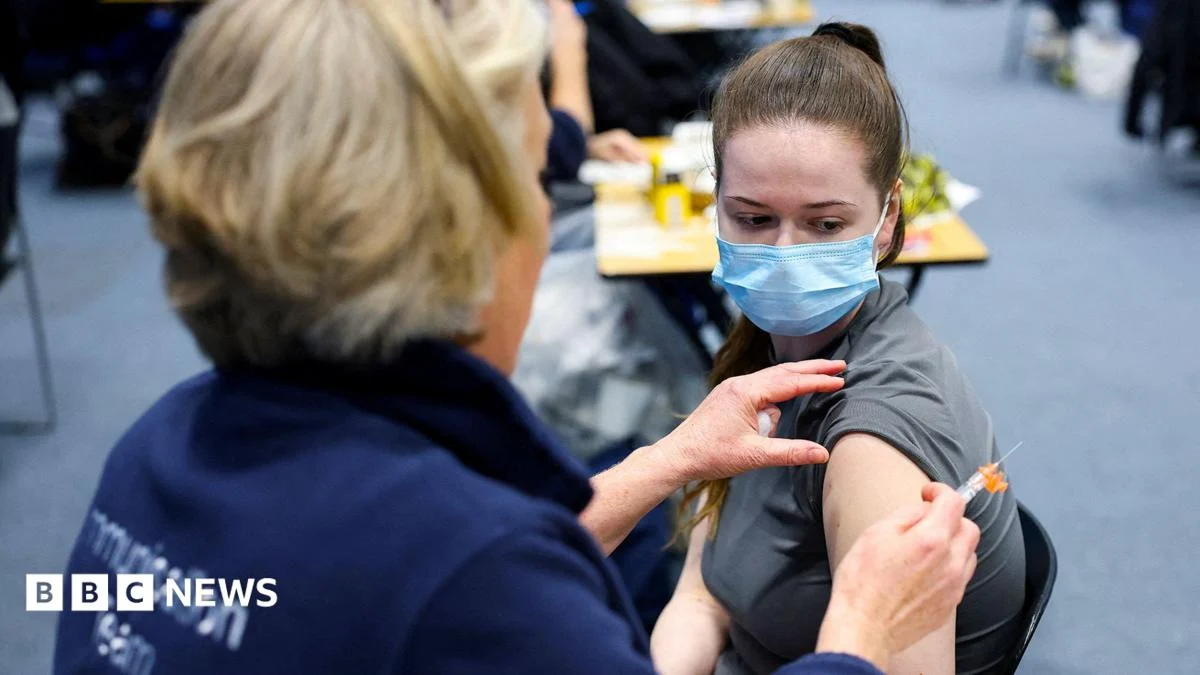
A groundbreaking investigation has unveiled the intricate biological mechanisms and contributing environmental factors behind the unprecedented severity and rapid spread of the recent meningitis outbreak in Kent, offering crucial insights into bacterial evolution and public health preparedness. Dr. Charlene Rodrigues, a distinguished consultant in Pathogen Genomics at the UK Health Security Agency (UKHSA), articulated the significance of these findings, stating, "This investigation shows just how quickly and dramatically these bacteria can change." This adaptability, she explained, played a pivotal role in the outbreak’s alarming trajectory.
The virulence and swift dissemination of the outbreak strain were not solely attributed to genetic mutations. Dr. Rodrigues emphasized the critical interplay between bacterial evolution and social dynamics, noting, "The fact this outbreak variant was able to spread to so many young people was due to the social environment, a place where lots of close social mixing takes place." Speaking exclusively to the BBC, she elaborated on the biological processes at play. Bacteria, she explained, are known to undergo dynamic changes, a phenomenon termed horizontal gene transfer. This process allows bacteria to acquire new genetic material from other organisms, leading to rapid adaptation and the emergence of novel traits.
Such genetic alterations can significantly enhance the pathogenicity of bacteria, rendering infections more severe and potentially enabling them to circumvent the host’s immune system. Dr. Rodrigues elaborated, "Such changes can make infections more severe, and may mean they get past the immune system because people haven’t encountered them before." This means that even individuals with previously robust immune systems might find themselves vulnerable to these newly evolved strains. The implications of such unpredictable evolutionary leaps are profound, underscoring the constant need for vigilance in monitoring microbial populations. "These events, while rare and unpredictable, could happen again, so experts ‘should not take their eye off the ball’," she added, a stark reminder of the ongoing threat posed by evolving pathogens.
Scientists have characterized the speed and severity of the Kent outbreak as highly unusual, with descriptions such as "unprecedented" and "explosive" commonly used at the time. The sheer volume of infections concentrated in a single geographic area over an extraordinarily short timeframe set this event apart from typical infectious disease patterns. The human cost of this aggressive pathogen was tragically illustrated by the deaths of two young individuals: a 21-year-old University of Kent student and Juliette Kenny, a promising sixth-form pupil at Queen Elizabeth’s Grammar School in Faversham. These fatalities underscored the aggressive nature of the outbreak strain and the devastating impact it could have.
The epicenter of the outbreak is strongly suspected to be a popular nightclub in the city center, Club Chemistry, which was a hub for university students. This environment, characterized by close proximity and high levels of social interaction, provided an ideal breeding ground for the rapid transmission of the pathogen. It is believed that the infection was likely introduced by a single individual, who then inadvertently spread it throughout the venue during a single evening of revelry. This highlights the critical role of early detection and containment measures in preventing localized outbreaks from escalating into widespread epidemics.
The transmission of meningitis is facilitated through close personal contact. This includes activities such as kissing, sharing drinks, and even sharing vapes, all of which are common among young adults and university students. The highly contagious nature of the bacteria, coupled with the social habits of the affected demographic, created a perfect storm for rapid dissemination.
Intriguingly, Dr. Rodrigues posited that the very genetic modifications that rendered the strain so potent might have also contributed to the outbreak’s relatively short duration and its eventual decline. She suspects that "the very same genetic changes that made the strain so dangerous may also explain why the outbreak was short-lived and did not continue to spread." This seemingly paradoxical outcome stems from the fact that the bacteria may have become so virulent that infected individuals were incapacitated, becoming too ill to engage in the social behaviors that would facilitate further transmission. In essence, the bacteria’s own success in causing severe illness may have inadvertently curtailed its own spread. "People were generally too sick to be silent carriers who can pass it on unknowingly to others," she explained. This contrasts with less virulent strains, which can be spread by asymptomatic or mildly symptomatic individuals for extended periods.
In response to the alarming events in Kent, public health authorities acted swiftly to implement preventative measures. Following the outbreak, a targeted, one-off menB vaccination program was initiated to bolster immunity among young people preparing to commence their university studies in the autumn. This proactive approach aimed to mitigate the risk of similar outbreaks occurring in densely populated student environments. Furthermore, in July, the Joint Committee on Vaccination and Immunisation (JCVI) issued a significant recommendation for the routine inclusion of the menB jab in the national immunization schedule. The committee advised that teenagers should be offered the vaccination on the NHS around the age of 15, with provisions for catch-up programs to ensure that individuals who might otherwise miss out due to age or other circumstances would still receive protection. This long-term strategy signifies a commitment to safeguarding future generations against the devastating effects of meningococcal disease.
The investigation into the Kent meningitis outbreak has not only illuminated the complex interplay of genetics and environment in infectious disease dynamics but has also spurred significant advancements in public health policy. The findings underscore the importance of continuous genomic surveillance of pathogens, enabling scientists to detect emerging threats and understand their evolutionary trajectories. Moreover, the outbreak has served as a stark reminder of the need for robust public health infrastructure, including rapid response mechanisms and comprehensive vaccination programs, to protect communities from the ever-present threat of infectious diseases. The insights gained from this severe outbreak will undoubtedly inform future strategies for disease prevention, control, and ultimately, the safeguarding of public health on a global scale. The rapid adaptation of bacteria like Neisseria meningitidis highlights the ongoing evolutionary arms race between pathogens and human immunity, demanding sustained scientific inquiry and proactive public health interventions.




 George Anjay
 Nakalama John