
 Ramos Leo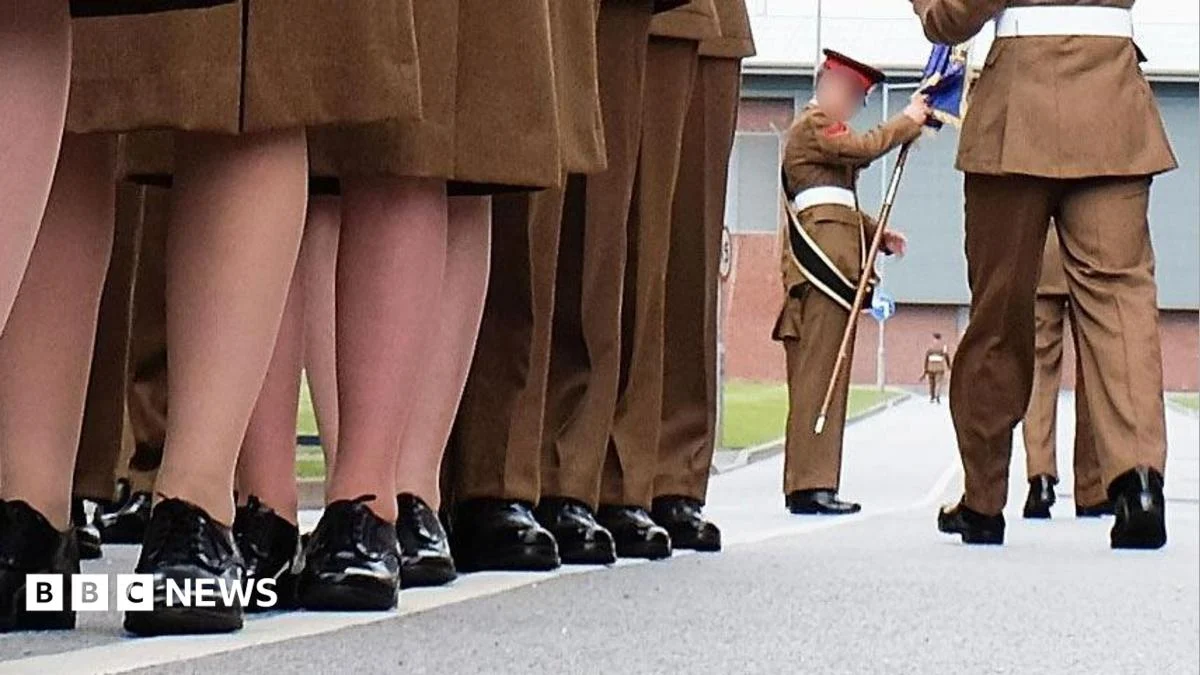
North Yorkshire Police confirmed, in response to a Freedom of Information Act request from the BBC, that it had received 16 reports of sexual offences linked to the college within the single year leading up to June. These allegations encompass serious incidents including exposure, voyeurism, and sexual assault, painting a stark picture of the challenges faced by young recruits within the institution’s walls. Crucially, the police response did not provide any information regarding whether these reports had led to prosecutions, leaving open questions about the investigative processes and the accountability for alleged perpetrators. The absence of such detail naturally raises concerns about the resolution of these serious claims and the support mechanisms in place for victims.
Further compounding the gravity of the situation, data obtained from the Ministry of Defence (MoD) revealed a staggering total of 176 complaints of inappropriate sexual behaviour at the college over a broader period, specifically between January 2018 and the most recently available data in June 2024. This figure underscores a systemic issue, indicating that the recent police reports are not isolated incidents but rather part of a persistent and widespread problem within the AFC. The sheer volume of complaints over this timeframe suggests that inappropriate conduct has been a recurring feature of the college environment, raising serious questions about the culture, supervision, and safeguarding protocols in place.
The human cost of these statistics is starkly illustrated by the harrowing testimonies of several women, whose identities have been protected through name changes to shield them from further distress. These women all attended AFC within the last five years, and their experiences collectively paint a picture of vulnerability and betrayal. One particularly distressing account came from a woman named Tilly, who recounted being just 17 years old when she endured a brutal sexual assault. Tilly detailed how she was raped at AFC by multiple fellow soldiers of her own age after being invited into their room. "They started taking my clothes off and then this led to them doing stuff I didn’t consent to," she bravely shared with the BBC. Her testimony continued with the chilling admission: "And then I was raped… by multiple junior soldiers, same age as me. It went on for hours. I felt like a piece of meat." Her words powerfully convey the profound physical and psychological trauma inflicted, highlighting the extreme vulnerability of young individuals in a hierarchical and enclosed military setting.
Streeting’s reaction went beyond mere acknowledgment; he expressed deep sympathy for the women, recognizing that they had been "badly failed" by the very institution designed to train and protect them. He offered unequivocal praise for their courage in coming forward and speaking out about their experiences, emphasizing the immense bravery required to break silence on such sensitive and painful matters, particularly within a military context where cohesion and loyalty are often paramount. He underscored the fundamental ethical obligations of the armed forces, stating: "We have a duty to uphold the very highest standards in uniform and to treat every woman with the dignity and respect she deserves." This statement serves as a powerful reminder of the core values that military institutions are expected to embody, values that, in this instance, appear to have been severely compromised.
The growing scandal has ignited calls for robust independent scrutiny. Earlier this week, Sarah Atherton, a former Member of Parliament for Wrexham, voiced her conviction that public confidence in the college could "only be restored through an independent inquiry." Atherton, whose background includes service in the Army’s Intelligence Corps and who notably led a significant 2021 government review into the experiences of women in the armed forces, brings a unique blend of parliamentary insight and military understanding to her demand. Her advocacy for an independent inquiry is rooted in the belief that only an external, impartial investigation can truly uncover the full extent of the issues, identify systemic failings, and recommend the necessary reforms to prevent future abuses. Her previous work on women’s experiences in the military gives her call for action significant weight, suggesting that the problems at AFC may be indicative of broader cultural challenges within the armed forces.
Echoing these concerns, Emma Lewell MP highlighted the apparent double standard applied to military training establishments compared to civilian institutions. Her pointed observation, "If this was any other school or residential environment for children, it would have been closed down," starkly contrasts the perceived leniency towards a military college with the stringent safeguarding measures expected of civilian schools. This comparison underscores the unique position of military colleges, where the blend of adolescent recruits, a residential environment, and a distinct command structure can create a complex safeguarding landscape. The implication is that the gravity of the allegations, if they occurred in a non-military setting, would trigger immediate and decisive action, potentially including closure, to protect vulnerable minors.
The Army Foundation College, located in Harrogate, holds a critical role in shaping the future of the British Army. Its mission to transform 16-year-olds into trained soldiers within a year demands an environment built on discipline, trust, and most importantly, unwavering safeguarding. The fact that recruits as young as 16 are legally children, transitioning from civilian life into a highly structured and often demanding military environment, amplifies their vulnerability. This transition period, coupled with the residential nature of the college, necessitates exceptionally robust safeguarding policies and a culture that actively encourages reporting and swiftly addresses any form of inappropriate behaviour or abuse. The allegations suggest a significant failure in upholding this fundamental duty of care for its youngest recruits.
The Ministry of Defence, as the ultimate authority overseeing the AFC, bears significant responsibility for ensuring the safety and well-being of all personnel, especially minors. The cumulative data of 176 complaints and 16 police reports of sexual offences points towards a systemic failure that extends beyond individual incidents. It raises questions about the effectiveness of existing reporting mechanisms, the thoroughness of internal investigations, the adequacy of support services for victims, and the efficacy of preventative measures aimed at fostering a respectful and safe environment. The MoD’s response to these revelations will be critical in determining whether public confidence can be restored and whether meaningful, lasting cultural change can be achieved within the institution and, by extension, across the wider armed forces.
These revelations not only damage the reputation of the Army Foundation College but also threaten to undermine public trust in the entire British Army. The ability to attract and retain talented individuals, particularly women, into the armed forces relies heavily on demonstrating a commitment to their safety, dignity, and respect. A culture where such abuses can allegedly occur with apparent impunity, or without clear accountability, deters potential recruits and erodes the moral standing of the military. The demand for an independent inquiry and systemic reform is therefore not merely a political talking point but a critical imperative for the future integrity and operational effectiveness of the UK’s armed forces. The focus must now shift from merely acknowledging the problem to implementing transparent, victim-centred solutions that ensure accountability, provide comprehensive support, and fundamentally transform the culture to one of genuine safety and respect for all who serve.

 George Anjay
 Nakalama John
 atisusanti
 Roy Suryo
 Nana Banana