atisusanti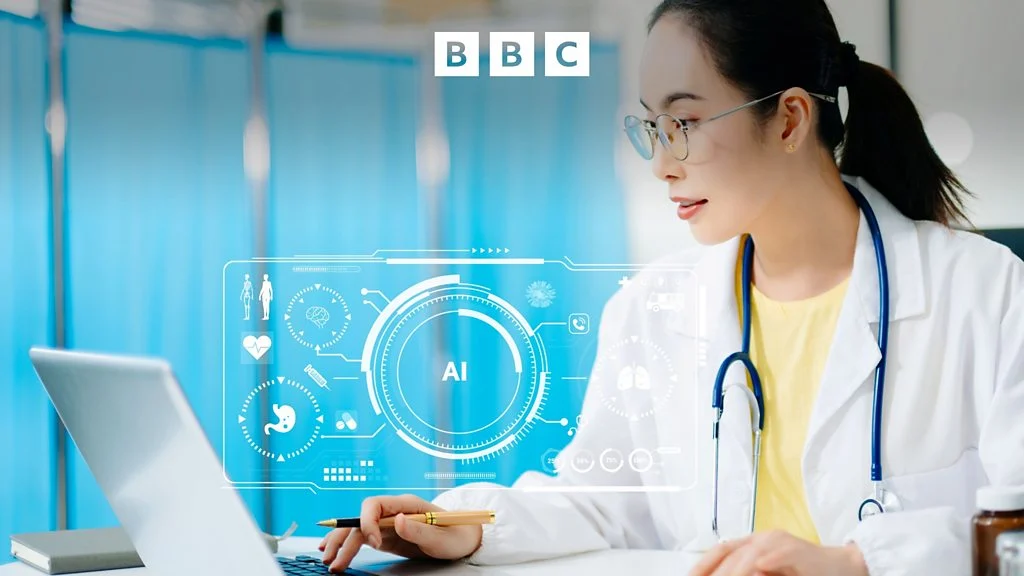
Artificial intelligence (AI) is poised to revolutionize healthcare, offering profound benefits for medical professionals, disease detection, and personal health management globally. This transformative potential is explored in a recent BBC Sounds "Tech Life" episode, "How will AI help my doctor?", presented by Shiona McCallum. The program delves into the multifaceted ways AI can augment the capabilities of doctors, leading to earlier and more accurate diagnoses, improved patient outcomes, and a more efficient healthcare system overall.
At its core, AI’s contribution to medicine lies in its unparalleled ability to process and analyze vast datasets with speed and precision far exceeding human capacity. In diagnostics, AI algorithms can be trained on millions of medical images, such as X-rays, CT scans, and MRIs, to identify subtle anomalies that might be missed by the human eye. This could lead to the earlier detection of cancers, diabetic retinopathy, and cardiovascular diseases, significantly improving prognoses and treatment efficacy. For instance, AI can analyze mammograms with remarkable accuracy, flagging suspicious areas for radiologists to review, thereby reducing the chance of missed diagnoses and speeding up the screening process. Similarly, AI can sift through complex genetic data to identify predispositions to certain conditions, enabling proactive interventions and personalized preventative care strategies.
Beyond diagnostics, AI is set to transform clinical decision-making. By analyzing a patient’s medical history, current symptoms, genetic makeup, and even lifestyle factors, AI can provide doctors with evidence-based recommendations for treatment plans. This can be particularly valuable in complex cases or for rare diseases where a doctor might not have immediate access to all relevant information. AI-powered tools can also monitor patients remotely, analyzing data from wearable devices and other sensors to detect early signs of deterioration or adverse reactions to medication. This continuous monitoring allows for timely interventions, potentially preventing hospitalizations and improving the quality of life for individuals managing chronic conditions.
The administrative burden on healthcare professionals is another area where AI can offer substantial relief. AI-powered systems can automate tasks such as scheduling appointments, managing patient records, transcribing medical notes, and processing insurance claims. This frees up valuable time for doctors and nurses to focus on what they do best: providing direct patient care. Imagine a doctor no longer spending hours sifting through paperwork; instead, AI can summarize patient histories, highlight key information, and even draft initial reports, allowing physicians to dedicate more attention to patient consultations and complex medical decision-making.
The "Tech Life" episode also touches upon the broader implications of AI in healthcare, including its potential to democratize access to medical expertise. In remote or underserved areas where specialist doctors may be scarce, AI-powered diagnostic tools could provide a vital first line of support, enabling local healthcare workers to make more informed decisions. Telemedicine platforms integrated with AI could offer virtual consultations that are enhanced by real-time data analysis and diagnostic support, bridging geographical barriers and bringing advanced medical insights to populations that previously lacked them.
Furthermore, the program highlights the ongoing efforts to make female health tech more accessible and affordable, a critical area where AI can play a significant role. AI can be instrumental in developing personalized health tracking apps, symptom checkers, and even remote monitoring systems for conditions specific to women’s health, such as reproductive health, pregnancy, and menopause. By leveraging AI, these technologies can become more sophisticated, user-friendly, and ultimately, more impactful in empowering women to take control of their health.
The episode also includes a curious "good news story" that originated from the "darker side of the internet," suggesting that even unexpected corners of the digital world can yield positive outcomes, perhaps through the application of AI for analysis or problem-solving in a benevolent way. While the specifics of this story are not detailed, it underscores the pervasive and often surprising influence of technology.
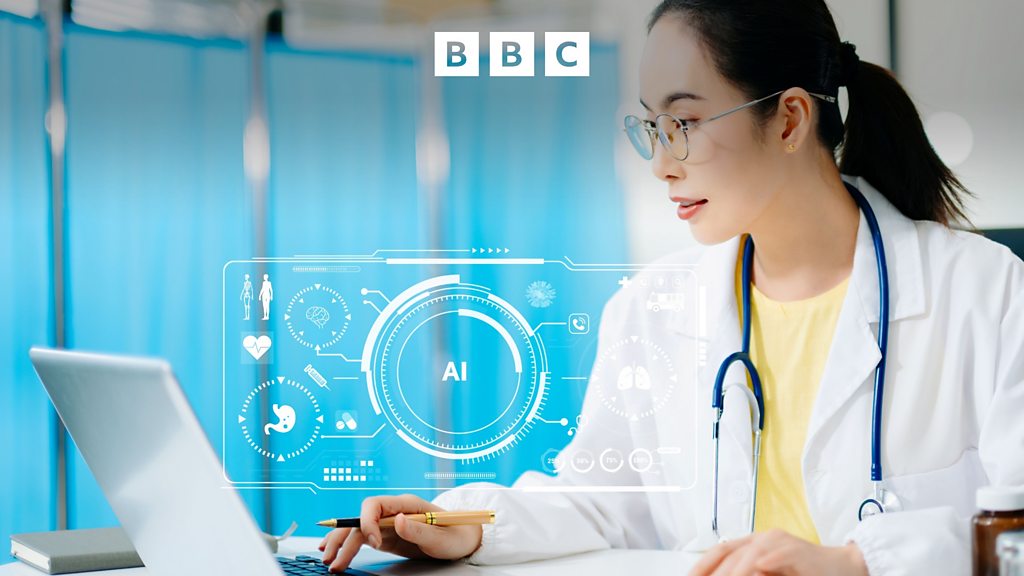
The image accompanying the episode description – a female doctor using AI technology on a laptop in a hospital lab – serves as a potent visual metaphor for this future. It depicts a harmonious integration of human expertise and artificial intelligence, where technology acts as a powerful assistant, amplifying the doctor’s capabilities and ultimately benefiting the patient. This vision of AI in medicine is not about replacing human doctors, but about augmenting their skills, enhancing their efficiency, and empowering them to provide even better care. The ethical considerations, data privacy, and the need for robust regulatory frameworks are, of course, crucial aspects that will accompany this technological evolution, ensuring that AI is implemented responsibly and equitably within the healthcare landscape. The "Tech Life" episode, by raising these important questions and exploring these exciting possibilities, offers a glimpse into a future where AI is an indispensable partner in our journey towards better health.




 George Anjay
 Nakalama John
 Ramos Leo