atisusanti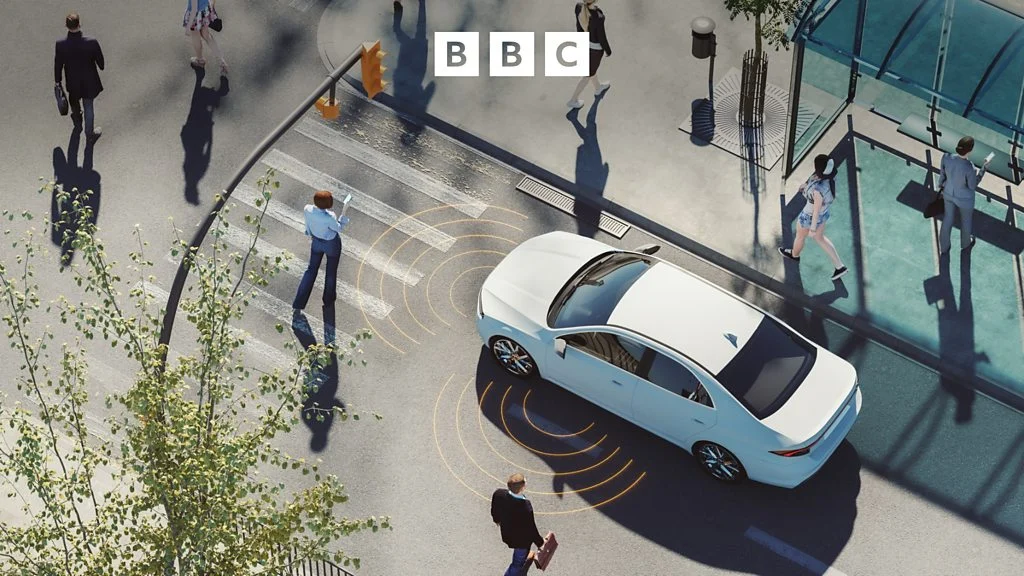
The future of transportation is rapidly accelerating, with driverless cars poised to reshape our daily commutes and urban landscapes. In a compelling episode of BBC Sounds’ "Tech Life," presenter Chris Vallance delves into the intricate challenges and cutting-edge research aimed at seamlessly integrating these autonomous vehicles into our existing road networks. The episode, titled "Sharing the road with driverless cars," broadcast on April 14, 2026, offers a comprehensive 26-minute exploration of this transformative technology, providing listeners with an insightful glimpse into the ongoing advancements.
At the heart of Vallance’s investigation lies the crucial issue of communication between self-driving cars and other road users. While the technological prowess of autonomous vehicles to navigate and perceive their surroundings is undeniable, ensuring fluid and safe interactions with human drivers, pedestrians, and cyclists remains a significant hurdle. The episode highlights pioneering research dedicated to developing sophisticated communication systems that will enable driverless cars to signal their intentions, understand human behaviour, and ultimately foster a sense of trust and predictability on the road. Vallance’s personal encounter with a "virtual vehicle" offers a tangible, albeit simulated, demonstration of how these communication protocols might function in practice, underscoring the potential for a more harmonious coexistence.
The implications of this research extend far beyond mere convenience. As autonomous vehicles become more prevalent, they hold the promise of reducing traffic accidents caused by human error, improving traffic flow, and enhancing mobility for individuals who are unable to drive. However, the transition will necessitate a fundamental shift in how we perceive and interact with our vehicles, moving from active control to a more passive, collaborative role. The "Tech Life" episode delves into the psychological and societal adjustments that will be required to fully embrace this new era of transportation, addressing concerns about safety, ethics, and the potential impact on employment within the automotive and transportation sectors.
Beyond the immediate focus on autonomous vehicles, the "Tech Life" episode broadens its scope to examine other fascinating technological developments. One particularly intriguing segment explores the inner workings of MarineTraffic, an app that has gained prominence in recent television news reports for its ability to track the movements of ships in strategically vital locations like the Strait of Hormuz. This segment sheds light on the sophisticated data collection and analysis techniques employed by such platforms, demonstrating the power of real-time maritime surveillance and its significance in global trade and security. Listeners gain an understanding of the complex interplay between satellite technology, vessel transponders, and sophisticated software that enables this ubiquitous monitoring.
Adding another layer to the technological discourse, Shiona McCallum investigates recent changes to age verification processes on Roblox, the popular online gaming platform. This segment addresses the ongoing efforts to safeguard children in the digital realm, highlighting the challenges and innovations in ensuring age-appropriate content and interactions for young users. The discussion around Roblox’s age checks underscores the broader societal imperative to create secure and responsible online environments, particularly for vulnerable demographics. It also points to the evolving nature of digital identity and the continuous development of technological solutions to complex social issues.
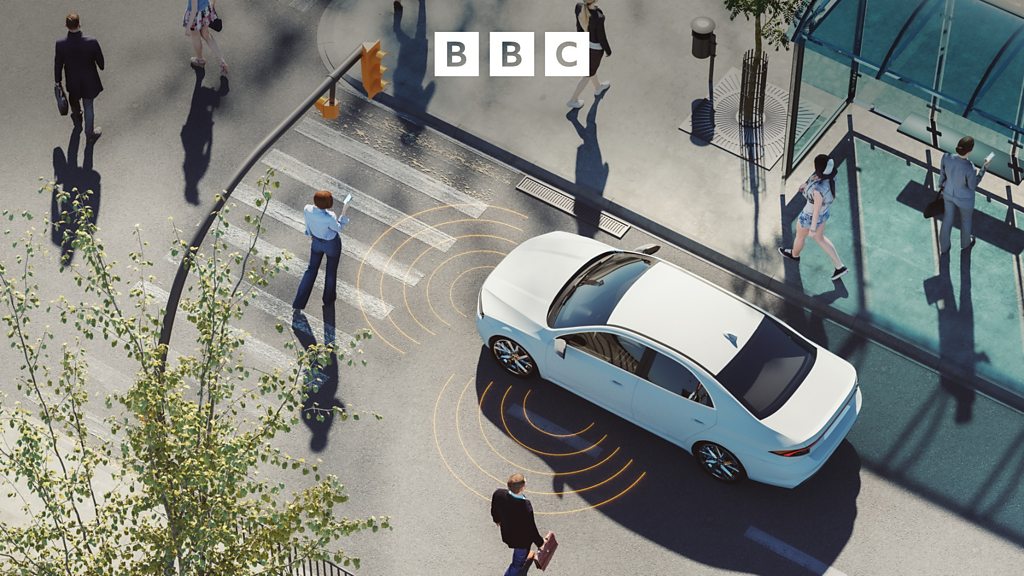
The episode’s accompanying image, depicting a driverless car approaching a pedestrian crossing with people nearby, serves as a powerful visual metaphor for the central theme of sharing the road. The car’s visible sensors emphasize its technological sophistication, while the presence of pedestrians highlights the crucial need for effective communication and understanding between autonomous systems and humans. This image encapsulates the promise and the inherent complexities of integrating driverless cars into our everyday lives, setting the stage for the in-depth exploration that follows.
"Sharing the road with driverless cars" is not merely a technical overview; it is an invitation to contemplate the profound societal shifts that lie ahead. As the technology matures, the ethical considerations, regulatory frameworks, and public acceptance will all play pivotal roles in shaping the future of autonomous mobility. The "Tech Life" episode, with its insightful analysis and engaging presentation, provides an invaluable resource for anyone seeking to understand the multifaceted landscape of driverless car technology and its burgeoning impact on our world. The detailed exploration of communication protocols, the real-world applications of maritime tracking, and the critical examination of online child safety measures collectively paint a vivid picture of a technologically advancing society. The BBC Sounds platform, through its "Tech Life" series, continues to be a vital conduit for demystifying complex technological advancements and fostering informed public discourse. The programme website, accessible for listeners seeking further engagement, offers a gateway to more episodes and a deeper dive into the world of cutting-edge technology.




 Nakalama John
 George Anjay
 Ramos Leo
 Roy Suryo