
 atisusanti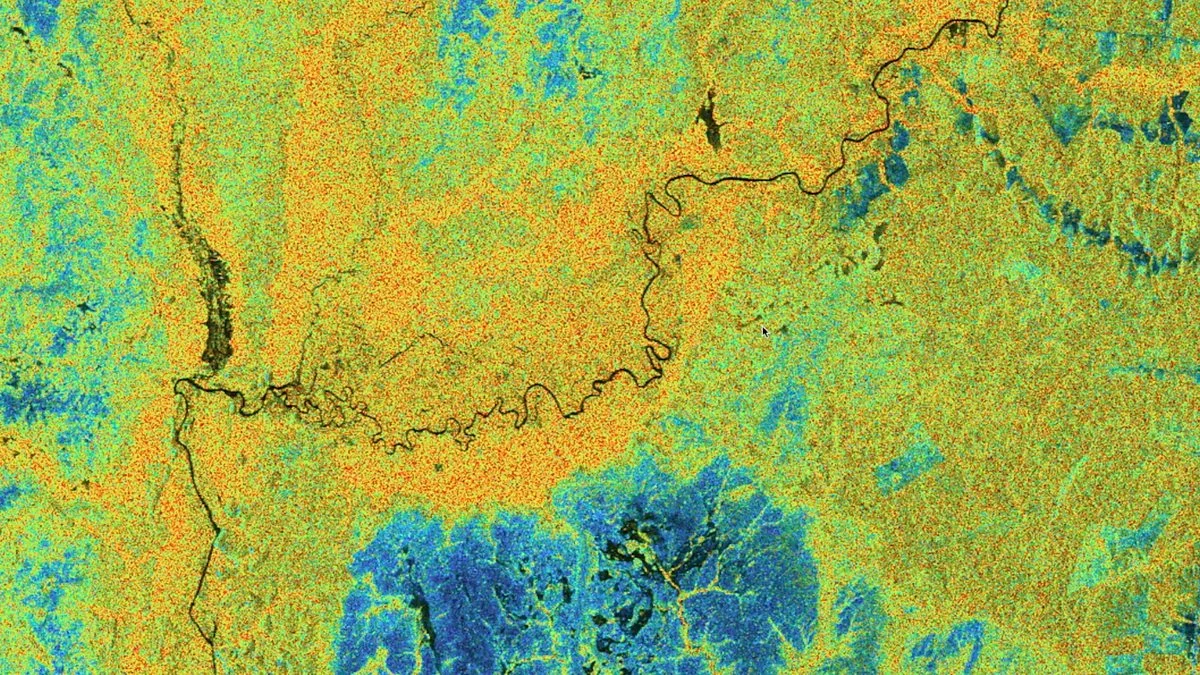
The verdant lungs of our planet, the world’s rainforests, are facing unprecedented threats. Deforestation, driven by agricultural expansion, logging, mining, and infrastructure development, is decimating these vital ecosystems at an alarming rate. However, a new era of technological innovation is emerging, offering powerful tools to monitor, understand, and ultimately protect these invaluable natural treasures. From the canopy of the Amazon to the dense jungles of Southeast Asia, cutting-edge technologies are providing unprecedented detail and insights into the health and dynamics of our planet’s forests, offering a glimmer of hope in the fight against their destruction.
Yasmin Morgan-Griffiths, a keen observer of environmental advancements, is at the forefront of exploring how these new technologies are revolutionizing forest monitoring. Her investigations reveal a sophisticated array of tools being deployed, moving far beyond traditional ground-based surveys. Satellite imagery, once a broad-stroke tool, has become incredibly high-resolution, capable of detecting individual tree removals and identifying subtle changes in forest cover over time. Advanced remote sensing techniques, including LiDAR (Light Detection and Ranging), are allowing scientists to create detailed 3D models of forest structures, measuring tree height, canopy density, and biomass with remarkable accuracy. This granular data is crucial for understanding carbon sequestration capabilities, biodiversity hotspots, and the overall ecological integrity of these complex environments.
Beyond the orbital perspective, drones are playing an increasingly vital role. Equipped with multispectral cameras and sensors, these aerial platforms can navigate dense canopy, capture close-up imagery, and even collect air samples to monitor forest health and detect early signs of disease or pest infestation. This allows for rapid response to emerging threats, preventing widespread damage. Furthermore, acoustic sensors are being deployed to listen to the "soundscape" of the forest. Changes in the diversity and abundance of animal calls can serve as sensitive indicators of ecosystem health and the presence of illegal activities, such as poaching or logging. These "listening posts" provide a continuous stream of data, offering a passive yet powerful way to monitor biodiversity and detect disturbances.
The integration of artificial intelligence (AI) and machine learning (ML) is a game-changer in processing the vast amounts of data generated by these technologies. AI algorithms can analyze satellite images to automatically identify deforestation patterns, classify forest types, and even predict areas at high risk of future degradation. ML models are being used to interpret the complex data from LiDAR, drones, and acoustic sensors, enabling researchers to draw more robust conclusions about forest dynamics and the impact of various environmental factors. This automation significantly speeds up the analysis process, allowing for more timely interventions and more effective conservation strategies.
In parallel with these advancements in data acquisition and analysis, the manufacturing and deployment of these technologies are also undergoing a revolution. Suranjana Tewari offers a compelling glimpse into the heart of this innovation by taking us inside a cutting-edge robotics factory in Beijing. This facility represents the industrial engine behind many of the technologies now being deployed in the field. Here, precision engineering and advanced manufacturing techniques are employed to produce sophisticated drones, sensors, and robotic systems designed for the demanding conditions of rainforest environments.
The robots being manufactured are not just for data collection; they are also being developed for more direct conservation efforts. Autonomous drones are being programmed to deliver seeds for reforestation projects, planting saplings in remote or difficult-to-access areas. Robotic systems are also being explored for tasks such as monitoring wildlife populations, detecting and neutralizing invasive species, and even assisting in firefighting efforts within forests. The scale and complexity of these manufacturing operations highlight the significant investment and global collaboration involved in harnessing technology for environmental protection. The efficiency and scale of production in such factories directly translate to the accessibility and affordability of these crucial tools for conservation organizations worldwide.
The ethical considerations and practical challenges of implementing these technologies are also being addressed. While the potential is immense, ensuring equitable access to these tools for communities living in and around rainforests is paramount. Indigenous knowledge, combined with technological capabilities, can create more effective and sustainable conservation models. Furthermore, the digital divide remains a significant hurdle, requiring investment in infrastructure and training to ensure that all stakeholders can benefit from these advancements. The long-term maintenance and power requirements for these technologies in remote rainforest locations also present logistical challenges that are being actively worked on.
The data gathered from these technological initiatives is not merely for scientific curiosity; it has direct implications for policy and action. High-resolution deforestation maps, real-time alerts of illegal logging, and accurate assessments of carbon stocks provide governments and international organizations with the evidence needed to implement and enforce conservation policies. These technologies empower conservation groups to hold corporations and governments accountable for their environmental impact. They also facilitate the development of innovative financing mechanisms for forest conservation, such as carbon credits, by providing verifiable data on forest health and carbon sequestration.
The future of rainforest protection is inextricably linked to the continued development and responsible deployment of technology. As these tools become more sophisticated, affordable, and accessible, their impact on safeguarding these vital ecosystems will undoubtedly grow. The journey from data collection to meaningful action is a complex one, but the technological advancements being witnessed today are equipping humanity with the most powerful toolkit yet in its efforts to preserve the world’s rainforests for generations to come. The integration of these advanced technologies, coupled with a renewed global commitment to conservation, offers a tangible pathway towards a more sustainable future where technological innovation serves as a crucial ally in the fight to protect our planet’s most precious natural heritage. The ongoing evolution of robotics, AI, and remote sensing promises to further refine our ability to understand and safeguard these critical ecosystems, transforming the landscape of environmental conservation.



 George Anjay
 Nakalama John
 Ramos Leo
 Roy Suryo
 Nana Banana