
 atisusanti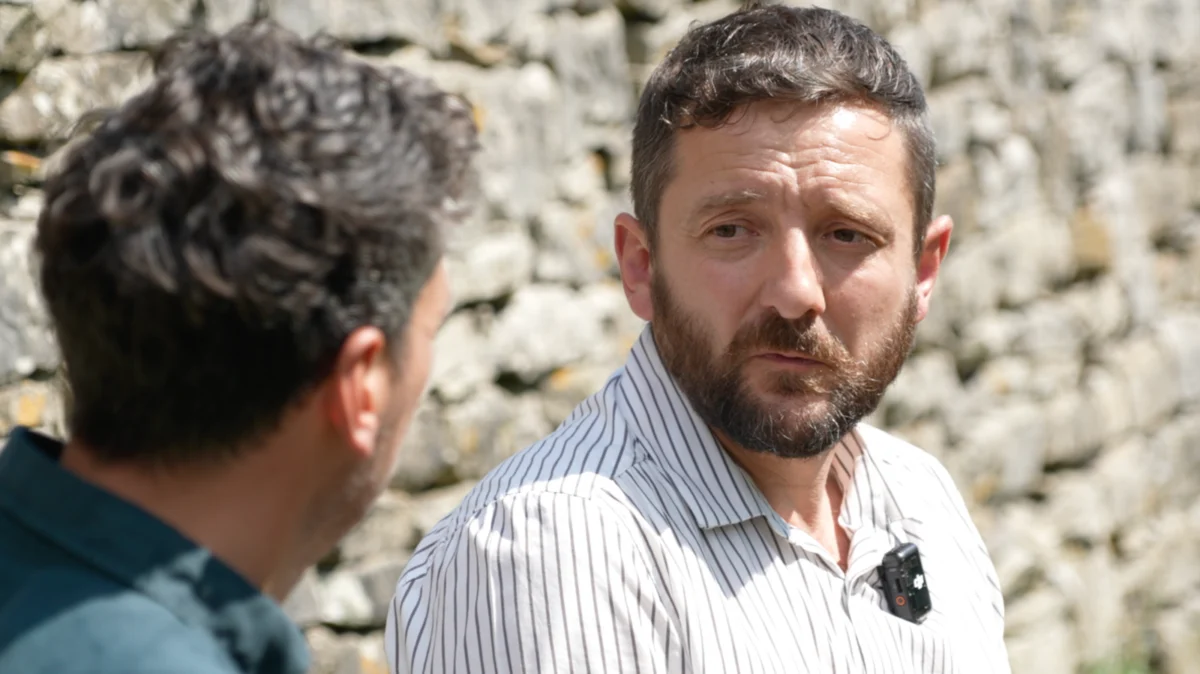
Lucas, a teenager who once found himself in trouble for hacking his school computers twice, discovered a new path thanks to a police initiative aimed at redirecting young talent away from cybercrime. His initial motivation was a blend of curiosity and a desire to overcome technical challenges. "It was like a challenge to see if I could," he told the BBC, recalling how he started tinkering with programming to gain access to games and blocked websites. His fascination went as far as disassembling a computer tower to take components home for testing. "It’s quite a sense of achievement when you’ve succeeded in doing something that two or three trained professionals have spent a lot of time trying to stop you doing," he admitted.

Facing potential expulsion and with his mother unaware of the full extent of his actions, a call to the police led to an encounter with PC Sam Cooper, a cyber prevent officer from the nationwide Cyber Choices program. "My mum was like, ‘ooh, you’ve got a detective coming to speak to you, you’re in a lot of trouble’," Lucas recounted, his youthful apprehension palpable. "So I was sat at the window waiting. Who’s going to come? How much trouble am I going to be in?" PC Cooper’s visit earlier this year marked the beginning of a mentorship that has guided Lucas away from the path of cyber criminality.
PC Cooper’s approach, as he has with dozens of other young individuals, involves a multi-faceted strategy. The initial step is to educate them about the real-world consequences and harm caused by cyber-attacks, clearly delineating what is legal and what is not. This is followed by months of dedicated one-to-one meetings, often conducted in the young person’s home. "I’ll try and find where their interests are and try and divert them towards professional training, qualifications," Cooper explained. The Cyber Choices program, also known as Cyber Prevent, operates as a form of "hacker rehab," running in parallel with the more widely recognized Prevent scheme that identifies potential terror offenders.

During a visit to Lucas’s home, the BBC witnessed firsthand the positive dynamic between the young hacker and the officer. Lucas enthusiastically detailed his latest computer experiments, while Cooper probed about the software and tools he was using, ensuring their legitimacy. The next step in Lucas’s journey will involve a visit to the local university to explore cybersecurity courses, with the ultimate aim of inspiring him to apply.
The scale of the problem is significant. In the past eight years, over 1,150 cases have been referred to the National Crime Agency’s (NCA) Cyber Choices scheme, with nearly 600 of those occurring in the last three years. Authorities are increasingly concerned about the prominent role teenage hacking groups are playing in sophisticated cyber-attacks. In 2024, young, English-speaking hackers were linked to attacks on major organizations such as Transport for London (TfL) and MGM Grand, and in 2025, attacks on Marks and Spencer and the Co-op were also attributed to similar groups. The threat extends to individuals, with an increasing number being targeted for their cryptocurrency holdings.
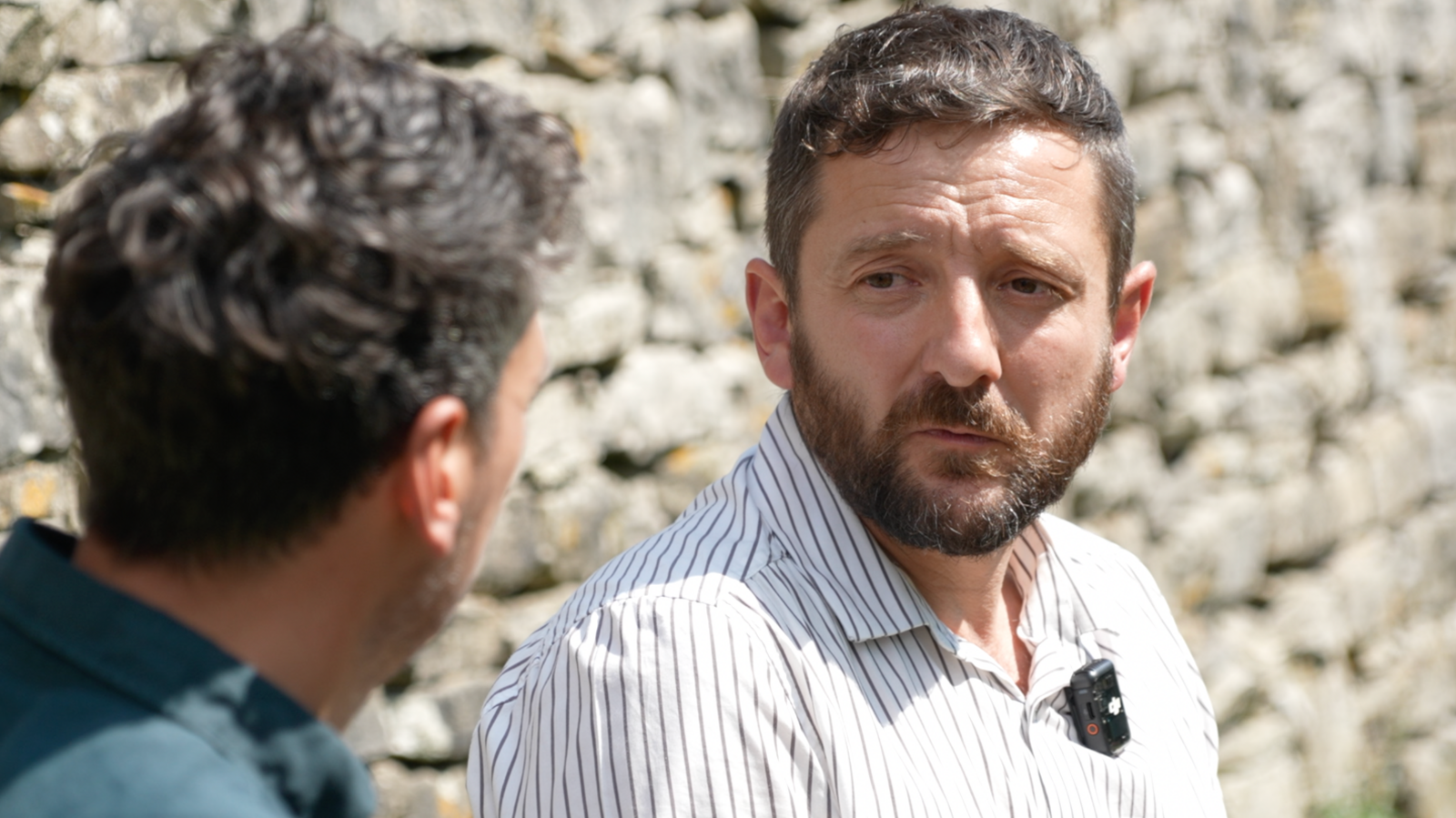
"It certainly has become more of a problem," stated Paul Foster, who leads cyber prevention work at the NCA. "Certainly English-speaking, western world individuals that we know are now more active in cyber-crime." Foster highlighted that young people are engaging with online activities and devices at increasingly younger ages, exposing them to criminal communities and influences. Police observations suggest that many young offenders do not initially intend to become criminals. Instead, their journey often begins with experimenting with technology, testing systems, or attempting to bypass restrictions. This experimentation can lead them into online communities where hacking is normalized and even encouraged.
A significant observation within the Cyber Choices program is the prevalence of neurodiverse individuals. Cooper noted, "The vast majority of individuals I’m dealing with are neurodiverse." He elaborated that even if not formally diagnosed, many exhibit a greater affinity for computers than for practical or social realities. "Sometimes they can get fixated on certain goals and not listen to any adults around them, so that’s where I come in and sit them down and talk to them." The case of Arion Kurtaj, a high-profile teenage hacker who targeted Grand Theft Auto maker Rockstar Games, gained significant attention in 2023. He was deemed unfit to stand trial due to his autism. Similarly, two teenage hackers jailed earlier this month for the TfL hack were also autistic, a factor that the judge considered during sentencing.

Owen Flowers, from Walsall, is another case in point. He was offered a place on the Cyber Choices program shortly after turning 16 when he first encountered legal trouble, but he refused to engage. This refusal highlights a critical debate within the field. Some critics argue that teaching cyber skills to individuals already showing an interest in hacking could inadvertently empower them to become more capable offenders. In another ongoing court case, it emerged that a teenager enrolled in the program was alleged to have committed further offenses.
Foster acknowledges these concerns but maintains that the alternative is more detrimental. "My fear is that if we didn’t give them something like Cyber Choices, where would they get that input and where would that input take them?" The NCA’s objective is to intervene before youthful curiosity, inherent talent, and online influences can morph into serious criminal activity. For Lucas, the prospect of a police officer arriving at his doorstep served as a crucial turning point. He candidly admits that without this intervention, he would have likely continued to push boundaries in his exploration of computers and hacking.

Further testament to the program’s success is the story of Izak, a 21-year-old cyber-security professional in Leicestershire. At 15, he hacked his school computers to facilitate graphic design work. However, he soon found himself drawn into online cybercriminal groups that promised substantial financial rewards. A visit from Leicestershire Police introduced him to the Cyber Choices program, which helped him reframe his perspective, encouraging him to "use my cyber skills for good" and recognize cybersecurity as a viable career path.



 Nana Banana
 George Anjay
 Nakalama John
 Ramos Leo