
 Roy Suryo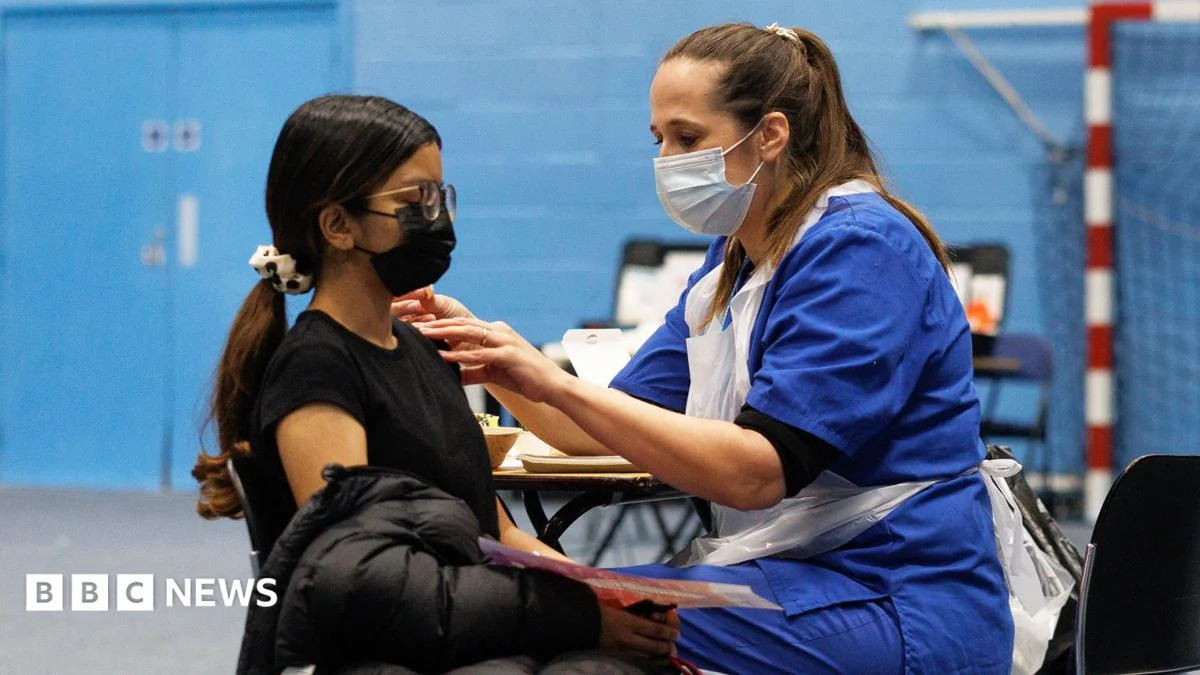
A significant shift in public health recommendations has emerged, with experts now advocating for the free provision of the meningitis B (MenB) vaccine to teenagers aged 15 and older. This crucial advice, spearheaded by the Joint Committee on Vaccination and Immunisation (JCVI), signifies a pivotal moment in the ongoing battle against a devastating and potentially fatal disease. The recommendation is rooted in evolving scientific understanding and the stark realities illuminated by tragic personal experiences, such as that of Aaron Mills, an 18-year-old whose life was tragically cut short by MenB during the Christmas break from his studies in Liverpool. His father, Anthony Mills, has powerfully articulated that seeing teenagers receive the jab would be his son’s enduring "legacy," a sentiment that underscores the profound human cost of this illness and the urgent need for preventative action.
The Mills family has been tirelessly raising awareness and fundraising for Meningitis Now in the months following Aaron’s death, channeling their grief into a potent force for change. Their advocacy, alongside that of other survivors and their families, has undoubtedly played a vital role in prompting this reconsideration of vaccination strategy. The Department of Health and Social Care has acknowledged the JCVI’s advice, stating, "We will consider the advice and will update on any future programme in due course." This indicates a potential pathway towards a national programme, though the ultimate decision and its implementation will rest with ministers in each of the UK’s constituent nations. The financial implications of offering the vaccine universally via the National Health Service (NHS) will be a key consideration, with the ultimate aim being that individuals receiving the jab would not incur any personal cost.
The urgency for this change has been amplified by recent events, including an outbreak in Kent that saw 29 confirmed or suspected meningitis cases and two fatalities. This outbreak triggered a surge in private vaccine purchases by concerned parents for their teenage children, highlighting a perceived gap in the existing public health provision. At the time of that outbreak, both the government and the JCVI maintained that there was no immediate need for wider teenage vaccination across the UK. However, the current revised advice acknowledges a critical shift in understanding: teenagers are now recognised as being more susceptible to contracting MenB and experiencing severe illness. For optimal protection against the disease, two doses of the vaccine are deemed necessary. The insidious nature of MenB infections, which can spread through close social contact, including activities like kissing and sharing vapes, further underscores the vulnerability of this age group.
Becca Heritage, a medical student whose life was irrevocably altered after contracting MenB and subsequently undergoing amputations of her legs and one hand, has vocally welcomed the JCVI’s announcement. Her experience serves as a harrowing testament to the life-altering consequences of the disease. Beyond vaccination, Heritage stresses the paramount importance of educating young people about the dangers of meningitis. She powerfully asserts, "It’s easy to think ‘it’ll never be me’ but all young people should know the signs and symptoms, as well as taking ownership of getting their vaccines, and knowing which strains they are protected against." Her impassioned plea to the government to embrace the recommendation is unequivocal: "young people’s lives are at stake." She further emphasizes that "Young people’s lives are not expendable and this vaccine is our best protection… Anything other than following the advice would be failing our young people."
Meningitis B infection poses a grave and immediate threat, capable of triggering severe, life-threatening conditions such as inflammation of the brain’s protective lining (meningitis) and bloodstream infection (sepsis). The repercussions of contracting MenB can extend far beyond the acute illness, leading to life-altering disabilities including amputations, profound hearing loss, and irreversible brain damage. In the most tragic of circumstances, the infection can prove fatal. The stark reality is that vaccination offers a potent and life-saving intervention against these devastating outcomes.
Professor Wei Shen Lim, the esteemed chair of the JCVI advisory group, articulated the committee’s considered approach, stating, "Invasive meningococcal disease is a rare but very serious illness, which can have a devastating impact on lives. JCVI has worked closely with meningitis charities and would like to thank all those who responded, including on behalf of loved ones who sadly died or had life-changing complications. Their lived experiences were carefully considered." This statement underscores the profound human element that has informed the JCVI’s revised recommendation.
Dr. Tom Nutt, at the helm of the campaign group Meningitis Now, hailed the recommendation as a "significant moment" in the ongoing fight against the disease. He told the BBC, "Today’s recommendation is an important step towards ensuring that far more young people are protected from this devastating disease." The current vaccination schedule already includes the MenB vaccine for babies, as they are disproportionately vulnerable to invasive infections and possess less robust immune systems to combat them. This vital protection was incorporated into the UK NHS childhood immunisation programme for infants born on or after July 1, 2015.
However, this existing provision leaves teenagers and young adults aged over 11 without this crucial layer of defence. The JCVI’s new recommendation targets this specific age demographic, suggesting that teenagers receive two doses of the vaccine at age 15. This timing is strategic, acknowledging that their socially active lifestyles place them at an elevated risk of exposure and transmission. This revised advice represents a significant departure from the JCVI’s previous stance, which deemed wider teenage vaccination unnecessary and not cost-effective. The current recommendation is explicitly based on "recent new evidence," signalling a proactive response to emerging scientific data and public health concerns.
The implications of this potential policy shift are far-reaching. If the advice is formally adopted, individuals who received the MenB vaccine as infants would require only a single booster dose as teenagers, rather than the full two-dose regimen. This streamlined approach aims to maximize efficiency while still providing robust protection. In a timely parallel development, numerous pharmacies across the UK are currently offering free MenB jabs to young people preparing to embark on university life this summer. This targeted, one-off campaign is designed to bolster the defences of those most at risk and to proactively mitigate the possibility of future outbreaks, such as the one experienced in Kent.
Olivier Picard, chair of the National Pharmacy Association, has lauded the JCVI’s recommendation as "good news." He commented, "There is clearly a gap in our national vaccination strategy and recent outbreaks have shown the awful impact this illness can have on those who contract it." Picard further affirmed the readiness of pharmacies to play a pivotal role in administering these life-saving vaccines, underscoring their capacity to support a national rollout. The collective voice of experts, survivors, and public health bodies is converging towards a singular, urgent imperative: to equip the next generation with the best possible protection against the devastating threat of meningitis B. The proposed free vaccination for 15-year-olds represents a critical step in fulfilling this vital public health objective, safeguarding the futures of countless young individuals across the United Kingdom.



 Nakalama John
 atisusanti
 Ramos Leo
 Nana Banana
 George Anjay