
 Roy Suryo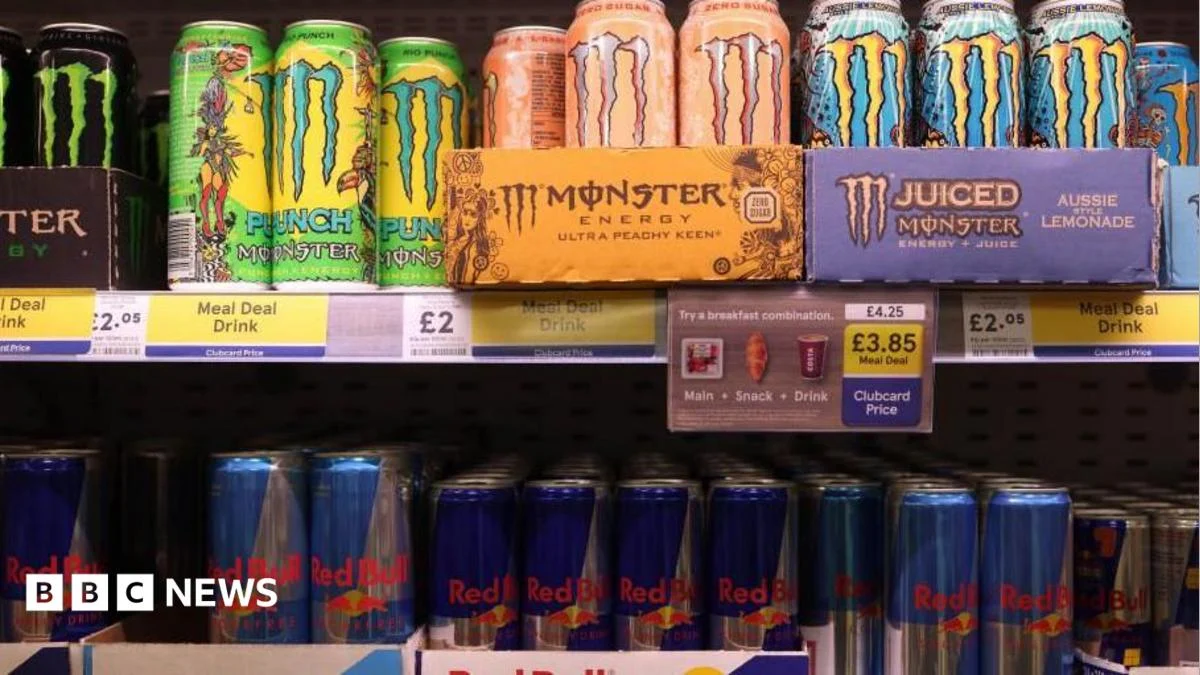
In a significant public health intervention, England is set to implement a nationwide ban on the sale of high-caffeine energy drinks to individuals under the age of 16, with the new regulations scheduled to take effect from April. This decisive move by the government aims to safeguard the health and well-being of young people, addressing growing concerns surrounding the excessive consumption of these potent beverages. The ban will encompass all retail environments, including shops, restaurants, cafes, vending machines, and online platforms, making it illegal to sell drinks containing more than 150 milligrams of caffeine per litre to children and younger teenagers.
Crucially, the legislation targets the caffeine content, not necessarily the energy-boosting marketing of these drinks. This means that many popular energy drink brands, such as Red Bull, Monster, Relentless, and the recently popular Prime, will fall under the prohibition due to their high caffeine levels. It is important to note that lower-caffeine soft drinks, like Diet Coke, are not affected by this ban, nor are naturally caffeinated beverages such as tea and coffee, which are generally consumed in different contexts and with varying levels of awareness regarding their caffeine content.
The driving force behind this comprehensive ban is a multi-faceted approach to improving child health. Primarily, the government seeks to curb rising levels of childhood obesity, a persistent and complex health challenge. Energy drinks, often laden with sugar and artificial sweeteners, contribute significantly to calorie intake and can displace healthier beverage choices. Beyond weight management, the ban is intended to mitigate a range of adverse health effects associated with excessive caffeine consumption in young people. These include disrupted sleep patterns, which can profoundly impact academic performance and overall development; increased anxiety and nervousness; difficulties with concentration, further hindering educational progress; and a general decline in mental well-being.
Public Health Minister Sharon Hodgson, who announced the new measures, underscored the government’s unwavering dedication to fostering a healthier future for the nation’s youth. "This ban demonstrates our firm commitment to creating the healthiest generation of children ever," she stated, echoing sentiments first expressed when the proposals were initially put forward last year. The announcement signifies a proactive stance, moving beyond mere advisories to implement concrete legislative action.
The ban, which is subject to parliamentary approval, will be enforced by local authorities. Businesses found to be in breach of the new regulations will face penalties, including potential fines of up to £2,500. This financial deterrent aims to ensure widespread compliance and underscores the seriousness with which the government regards the protection of children’s health.
The statistics underpinning this decision are stark. Approximately 100,000 children in England consume energy drinks on a daily basis, highlighting the widespread nature of the problem. Further amplifying the concern, some of these popular energy drinks contain more caffeine than two cups of strong coffee or even four cans of cola, a considerable amount for developing bodies. The immediate and long-term health implications of such high caffeine intake in children are well-documented. Excessive consumption has been directly linked to a spectrum of issues, including debilitating headaches and significant sleep disturbances.
Experts in child health and development emphasize that young people are particularly vulnerable to the effects of caffeine. Their smaller body mass means that even moderate amounts can have a disproportionately strong impact. Furthermore, their brains are still undergoing crucial developmental stages, and exposure to high levels of stimulants can potentially interfere with these processes, leading to long-term consequences.
The decision to implement the ban follows a robust public consultation process, which garnered over 1,100 responses. The overwhelming majority of these responses strongly supported the introduction of an age restriction on the sale of energy drinks, validating the government’s proposed course of action. This broad consensus among the public and stakeholders provides a strong mandate for the new legislation.
The new rules will be enacted through secondary legislation, leveraging the powers granted by the Food Safety Act 1990. This legal framework provides the necessary authority to regulate the sale of food and drink products deemed to be a risk to public health. The potential dangers of excessive caffeine consumption extend beyond general malaise, with documented risks including rapid heart rate, abnormal heart rhythms, and even seizures. While rare, there have been tragic instances of deaths linked to excessive caffeine intake, underscoring the critical need for protective measures for vulnerable populations.
Beyond the direct impact of caffeine, the sugary formulations of many energy drinks also pose a significant threat. According to The Association of UK Dieticians, these high-sugar beverages are a substantial contributor to childhood obesity and can also lead to dental decay and other oral health problems. The dual threat of high sugar and high caffeine content makes these drinks particularly problematic for young people.
Currently, existing regulations mandate that any drink, other than tea or coffee, exceeding 150mg of caffeine per litre must carry a warning label stating that it is not recommended for children or pregnant or breastfeeding women. However, this advisory measure has proven insufficient in curbing consumption among under-16s, necessitating a more stringent legislative approach.
For adults, the recommended safe daily intake of caffeine is up to 400mg, equivalent to approximately four cups of instant coffee or five cups of tea. This highlights the significant difference in tolerance and impact between adults and developing children.
The new ban has been met with widespread approval from public health advocates. Katharine Jenner, Executive Director of the Obesity Health Alliance, lauded the policy, describing the restriction on sales to children as "common-sense" at a critical stage of their development. This sentiment is shared by many who believe that protecting young people from potentially harmful products is a fundamental responsibility of government.
However, the British Soft Drinks Association has expressed reservations, labelling the ban as "unnecessary." A spokesperson for the association pointed to existing voluntary commitments made by their members since 2010 not to market or promote energy drinks to under-16s, and the presence of "not recommended for children" labels on high-caffeine beverages. This suggests a differing perspective on the efficacy of current measures and the necessity of a legislative ban.
It is worth noting that the previous Conservative government had initially planned to introduce a similar ban but ultimately scrapped the move in 2022, advocating for personal choice in consumption. The current government’s reintroduction of the ban signals a shift in policy priorities, emphasizing collective well-being over individual consumer autonomy when it comes to products deemed potentially harmful to children.
The scope of this initiative may also extend beyond England. Northern Ireland, Scotland, and Wales are currently considering similar bans, indicating a potential for a unified approach across the United Kingdom to address the growing concerns surrounding energy drink consumption among young people. This coordinated effort would further strengthen the impact of the ban and provide a consistent message regarding the health risks associated with these beverages. The comprehensive nature of this legislation, coupled with robust enforcement and public awareness campaigns, aims to create a significant positive impact on the health landscape for children in England.




 Nakalama John
 atisusanti
 Ramos Leo
