
 Roy Suryo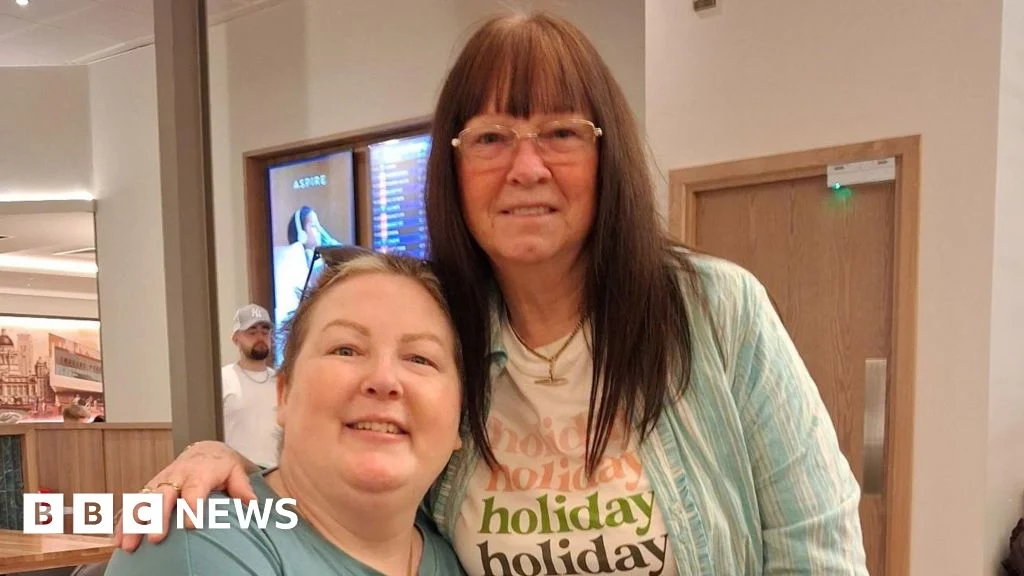
Delia Lodge lives in constant dread that a common cold could prove fatal for her daughter, Rebecca Quayle, who is battling terminal cancer. The emotional toll of hospital visits, particularly the necessity of waiting in Accident and Emergency (A&E) departments alongside other patients, feels akin to a "death sentence" for Rebecca. Delia is now spearheading a passionate campaign, gathering thousands of signatures, to advocate for the establishment of dedicated, separate waiting areas within hospitals, specifically for cancer patients. Her plea stems from the deeply concerning reality that during evenings and weekends, the dedicated cancer unit at Ysbyty Glan Clwyd in Denbighshire closes, forcing vulnerable patients like Rebecca to navigate the general A&E waiting room.
The atmosphere within these crowded A&E spaces, where individuals are coughing and some may have recently tested positive for COVID-19, is a constant source of anxiety for Delia. "Rebecca often feels stressed and anxious about picking up germs when she has to sit and wait in the A&E department," Delia, 69, from Prestatyn, Denbighshire, shared, her voice heavy with worry. "Even a common cold could kill Rebecca." This stark statement underscores the extreme vulnerability of her daughter, whose immune system is severely compromised by her illness and ongoing treatment.
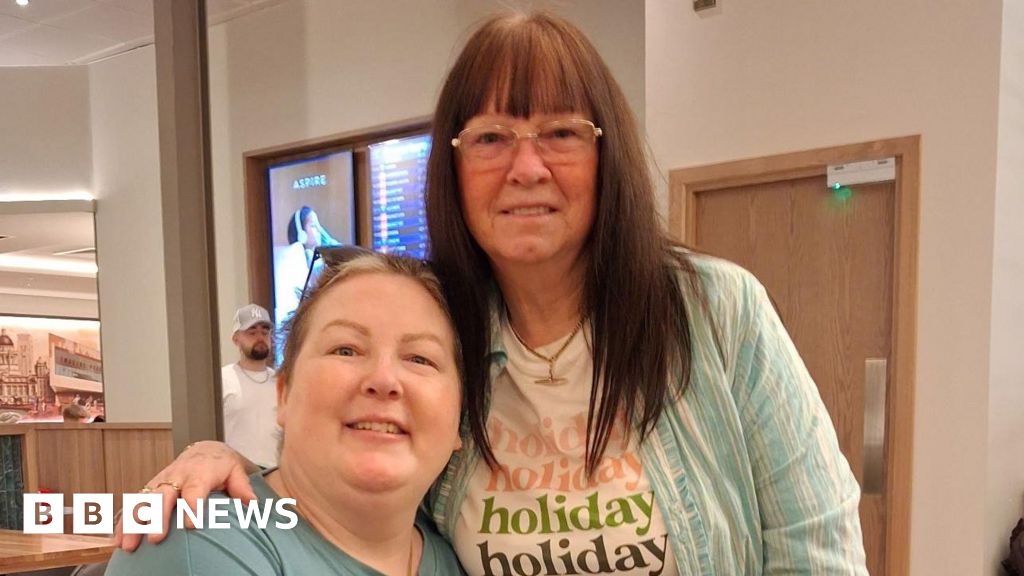
Rebecca, a vibrant 41-year-old mother of three, was initially diagnosed with primary breast cancer four years ago. After a period of hope and believing she had overcome the disease, she received the devastating news that her cancer had spread and was now terminal. She is currently undergoing chemotherapy at Ysbyty Glan Clwyd, a process that is already arduous and emotionally taxing. However, the hospital’s current infrastructure exacerbates her distress, transforming what should be a supportive environment into one fraught with potential danger.
Delia’s campaign began after she witnessed firsthand the risks her daughter faced. By speaking to other patients and their families at the hospital and leveraging the power of social media, she has garnered significant support, amassing over 2,500 signatures on her petition. Despite her deep concerns for Rebecca’s safety, Delia is quick to praise the dedication and professionalism of the NHS staff. "I cannot fault the NHS," she stated emphatically, "and the marvellous, superb, and professional staff who work at Ysbyty Glan Clwyd." However, she maintains that the current system is insufficient, adding, "These patients can die if they come into contact with people within the A&E."
The urgency of Delia’s campaign is amplified by the experiences of others. Gemma Bailey, 38, a close friend of Delia and a cancer survivor herself from Manchester, strongly supports the call for dedicated waiting rooms. "Sitting in a crowded, general waiting area adds another layer of anxiety," Gemma explained. "Every cough, every sneeze becomes a potential danger." Her own experience with cancer has given her a profound understanding of the psychological and physical vulnerabilities faced by patients undergoing treatment.
Cancer Research Wales has also voiced its support for the initiative, highlighting the critical importance of separate waiting areas. Dr. Lee Campbell, Head of Research at the charity, stated, "It’s important to note as well that if cancer patients or people who have a compromised immune system get ill, it could also run the risk of them having their treatments delayed." He further emphasized that while strict infection control measures are standard in Welsh hospitals, the consistent availability of separate waiting areas for immunocompromised patients is not a widespread reality.
The Betsi Cadwaladr University Health Board, responsible for healthcare in North Wales, has acknowledged the concerns. Chris Lynes, the Deputy Executive Director of Nursing and Midwifery, stated, "We fully recognise the concerns raised about immuno-compromised patients spending time within emergency departments, and this is something our cancer and emergency care teams are actively working together to address." He explained that despite their best efforts, finding an appropriate space within or near emergency departments that could safely serve as a separate waiting area, while still allowing for close patient monitoring, presents a significant challenge. Currently, the health board cannot implement a designated separate area but assures patients and families that their concerns are being heard and that they are committed to improving the patient experience and providing safe, compassionate care.
Delia’s primary objective is to persuade hospital officials to repurpose one of Glan Clwyd’s 24 treatment rooms into a cancer patient-only waiting area. She views this as a "simple issue" to resolve and is resolute in her determination to "keep pushing" for the change that she believes is essential for her daughter’s well-being. "The current measures aren’t enough," Delia insisted. "Every patient, especially those with cancer, should feel safe when they come to the hospital." Her advocacy is driven by a mother’s love and a fierce desire to protect her daughter from further harm during what is already an incredibly difficult time.

The emotional toll of terminal cancer is immense, and for Rebecca, the added stress of potential infection exposure in a general waiting room amplifies her suffering. Delia’s campaign is not just about a physical space; it’s about creating an environment where vulnerable patients can feel secure, respected, and shielded from unnecessary risks. The photographs accompanying the article visually represent this bond between mother and daughter, capturing moments of shared joy and resilience, underscoring the profound human element behind Delia’s fight for a safer healthcare experience for her daughter and others like her. The image of Delia and Rebecca on a beach, raising cocktails, speaks to their determination to create lasting memories despite the grim prognosis, while the photograph of them outside the A&E department highlights the stark reality of their current struggle.
The ongoing commitment from Delia Lodge, supported by individuals like Gemma Bailey and organizations like Cancer Research Wales, highlights a critical gap in healthcare provision for immunocompromised patients. The call for dedicated waiting areas is a plea for a more compassionate and considerate approach to cancer care, ensuring that the journey through treatment is as safe and as stress-free as possible for those most in need. While the Betsi Cadwaladr University Health Board is exploring solutions, the immediate reality for patients like Rebecca remains precarious, emphasizing the urgent need for tangible action to implement these much-needed safety measures.

 George Anjay
 Nakalama John
 atisusanti
 Ramos Leo
 Nana Banana