George Anjay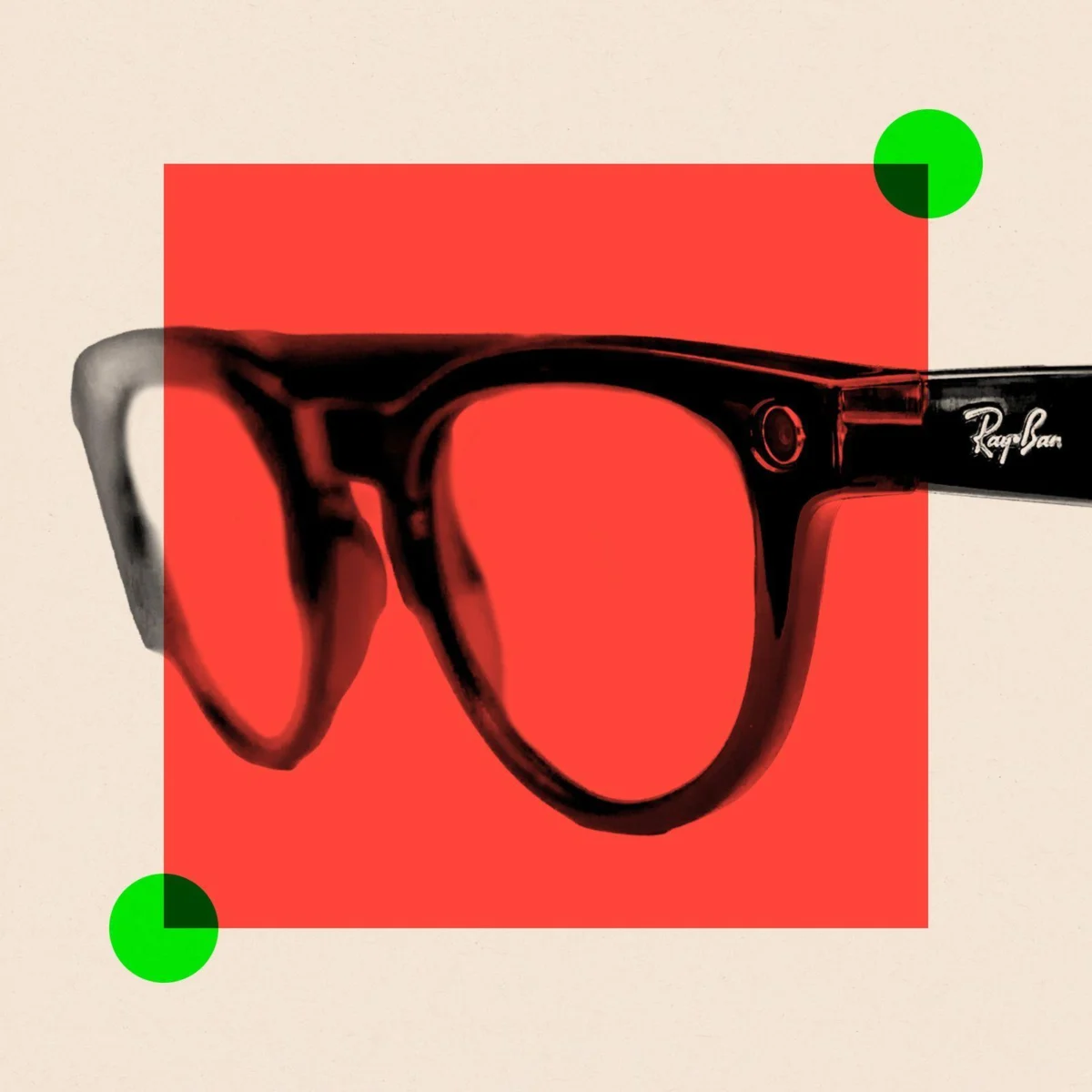
When Meta, in collaboration with the fashionable sunglasses brand Ray-Ban, launched its AI-powered smart glasses in 2023, it ignited a significant public outcry. The devices quickly became notorious, with numerous reports detailing their use in harassing women and girls through unauthorized filming and subsequent footage sharing. Despite Meta’s efforts to rebrand with celebrity endorsements, including Kylie Jenner, the "pervert" or "creepy" glasses label has persisted. This notoriety has led to widespread bans in various public spaces across the UK, from pubs and theatres to schools and even the sensitive Faslane naval base, home to the UK’s nuclear submarines.
In a strategic pivot, Meta is now unveiling a new iteration of its smart glasses, the Ray-Ban Meta Audio, which notably omits a camera entirely. These glasses retain the audio functionalities of their predecessor, allowing users to make calls or stream music with sound directed discreetly into their ears, but with significantly diminished privacy concerns. Industry observers suggest this move is a direct response to the intense privacy backlash, signaling a potential shift in how tech companies approach the future of wearable technology. This development raises crucial questions: Does this camera-free version signify a retreat from Meta’s original vision for smart glasses, or is it a calculated move to cater to a broader market, akin to the re-emergence of feature phones for those seeking digital detox?

The controversy surrounding smart glasses is undeniable. While testing a camera-equipped pair of Meta Ray-Bans, the author experienced initial apprehension about public perception, having heard of instances where the glasses were physically confronted. However, real-world use on public transport and city streets in London, Glasgow, and Portsmouth revealed a surprising lack of overt attention. This observation leads to a contemplation of whether public awareness and concern are as widespread as both Meta and privacy advocates suggest. Nevertheless, a subtle apprehension was noted among some individuals, who expressed hesitancy in approaching someone wearing such glasses, fearing potential undisclosed filming and online dissemination.
The core functionality of the glasses is to act as an extension of a smartphone, syncing via Bluetooth with Meta’s AI app. Voice commands activate features, and open speakers in the arms deliver audio directly to the wearer’s ears. This creates an experience akin to wearing headphones, but without noise-cancellation, allowing for ambient awareness. Interestingly, the author found many of the glasses’ features useful, with the camera being conspicuously absent from this list of appreciated functionalities. The ability to listen to music and podcasts without intrusive earbuds enhanced safety, particularly in busy urban environments, and allowed for greater situational awareness, reducing the need to constantly handle a phone.
The convenience of integrated navigation was also a significant benefit. For individuals with a less-than-perfect sense of direction, the spoken directions were invaluable. However, this convenience came at the cost of granting the Meta AI app constant access to the user’s location, a trade-off that highlights Meta’s well-known appetite for personal data. Social media reactions to the author’s use of the glasses were mixed, with some online criticism, but more positive responses emerged in everyday interactions. A hairdresser saw potential for recording client transformations, a builder envisioned utility for site documentation and training, and a runner appreciated the hands-free audio experience. Content creators have also embraced the technology, and the author’s son even employed the glasses to film a detailed car washing tutorial, demonstrating their potential for capturing everyday activities.

Beyond entertainment and convenience, smart glasses have been heralded as a transformative tool for the blind community. Users have described them as "game-changers" for their ability to provide real-time audio descriptions of surroundings and read text, such as menu options. Meta has supported this application, donating 15,000 pairs to a charity for the blind in Ireland earlier this year.
Despite these potential benefits, the surge in privacy concerns remains a significant hurdle. The camera-equipped glasses feature a blinking white LED indicator when active, but an aftermarket industry has emerged dedicated to circumventing this notification, sometimes involving physical disassembly. Meta claims that less than 0.1% of sold frames have been tampered with, though exact sales figures remain undisclosed, with Ray-Ban’s parent company EssilorLuxottica reporting seven million units sold last year.
Liz Hunter, a tech founder and parent spearheading a petition for urgent smart glasses regulation, expresses profound disappointment. "They should never, ever have left the lab at Meta," she stated, describing the situation as a "travesty of public trust, and of women’s equality, and it’s rolled back our privacy rights right before our very eyes." Hunter advocates for the continued availability of smart glasses for the blind but believes they should be restricted for general public use, asserting, "We don’t need them, we don’t want them."

In response to the privacy concerns, a Polish developer has released an app called ZuckOff, which utilizes Bluetooth to detect nearby smart glasses and has garnered thousands of downloads, according to Wired magazine. Ben Wood, from tech research firm CCS Insight, notes that the phrase "pervert glasses" appearing in the Financial Times signifies a "significant public backlash."
However, this controversy has not deterred other technology giants from entering the smart glasses market. Samsung is reportedly collaborating with Warby Parker, while Google is also rumored to be developing its own models. Snap, the company behind Snapchat, has launched its Spectacles, priced at $2,195 in the US and £1,995 in the UK, allowing users to view data within the lenses and capture photos with a finger snap. Snap founder Evan Spiegel, along with others, foresees smart glasses eventually supplanting mobile phones.
The introduction of a camera-free version by Meta raises the question of whether this is a step backward or a strategic sidestep. When Meta first launched its smart glasses in 2021, the emphasis was on capturing the user’s perspective, allowing them to "easily record the world as you see it." The departure from this core concept with the camera-free model is significant.

Janusz Swierczynski, a researcher at Oxford University’s Saïd Business School, views the camera-free option as a "positive sign" that Meta is acknowledging privacy concerns, although he considers it an imperfect solution given that camera-enabled models remain available. Wood from CCS Insight, however, suggests it’s not an end to cameras in glasses. He posits that smart glasses are fundamentally about information capture and AI interpretation, making the visual data from cameras an "extremely good" and "invaluable data stream" for AI platforms. He believes Meta has been developing the camera-free glasses for years, and the current privacy backlash offers "fantastic timing" for their release.
Meta shows no signs of halting development of its camera-equipped glasses, with a third generation featuring in-lens visual data display slated for release in the UK. This feature could appeal to professionals, such as journalists, who might benefit from discreetly displayed scripts. Kate Winick, a tech analyst at Forrester, characterizes the camera-free release not as a retreat, but as a "half step to the side," allowing users to acclimate to the technology. She suggests this gradual introduction might eventually lead users to desire the added functionality of a camera, potentially making the experience "so much more useful." Paradoxically, Winick also proposes that the availability of camera-free options could reduce public scrutiny of those wearing camera-enabled glasses, as it becomes harder to assume the presence of a camera.
Other companies are exploring alternative privacy-enhancing features without abandoning cameras. The Taiwanese firm HTC has launched its Vive Eagle glasses, priced significantly lower than Snap’s offerings. Thomas Dexmier, a vice president at HTC Vive, explains that the glasses feature microphones capable of detecting voice commands like "stop filming" or "stop recording," which will deactivate the camera. All recordings are encrypted and inaccessible to HTC, though this also prevents the company from flagging harmful content. Dexmier acknowledges the potential for misuse, particularly affecting women, but asserts that HTC is working to minimize such risks, while deeming it "too early to comment" on a camera-free version.

Ultimately, Wood believes that camera-enabled glasses are "not going away." He draws a parallel to the early 2000s, when mobile phones faced similar privacy concerns regarding integrated cameras. "There’s an inevitability there," he states, concluding that society will need to establish norms and a regulatory framework for the use of these pervasive technologies.




 Roy Suryo
 Nakalama John