George Anjay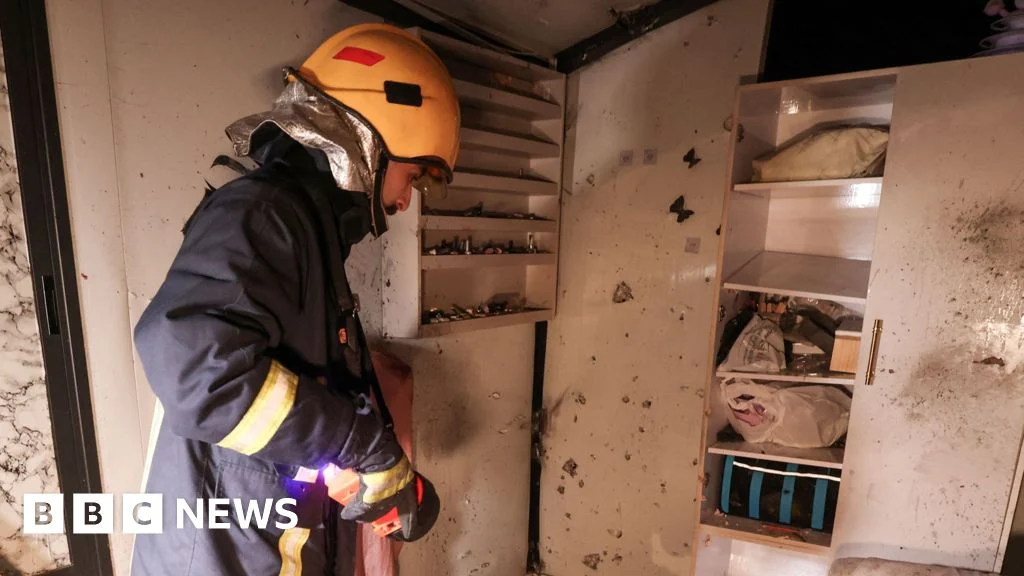
Three Palestinian women were tragically killed and eight others injured when debris from what is believed to be an intercepted missile struck a beauty salon in the occupied West Bank town of Beit Awwa, near Hebron. The Palestinian Red Crescent Society (PRCS) confirmed the devastating toll, stating that shrapnel rained down on the makeshift salon, a metal caravan, and several other locations in the vicinity. The incident occurred shortly after the Israeli military announced it was actively intercepting missiles fired towards Israel, an event that heightened regional tensions.
The victims have been identified by the official Palestinian news agency Wafa as 17-year-old Mais Ghazi Masalmeh, 50-year-old Sahira Rizq Masalmeh, and 36-year-old Amal Sobhi Abdel Karim Matawa’ Masalmeh. Their young age, in the case of Mais, underscores the indiscriminate nature of the tragedy. The PRCS dispatched emergency response teams, including at least five ambulances, to the scene to tend to the casualties. Upon arrival, they found a grim scene of multiple fatalities and injuries, ranging from critical to moderate. The bodies of the three women were subsequently transported to a local hospital, alongside other victims requiring urgent medical attention.
This incident highlights the perilous realities faced by civilians in the occupied West Bank, particularly during periods of heightened conflict. The PRCS reported that their crews encountered "significant difficulties" in reaching the affected site. These challenges were exacerbated by the closure of iron gates leading to the area, a measure that the PRCS stated had a "direct and critical impact on the time available to save the injured victims." This delay in access likely had severe consequences for those requiring immediate medical intervention, underscoring the complex logistical and security obstacles faced by humanitarian aid organizations operating in the region.
The PRCS initially reported four women killed in the incident before later revising the death toll to three. This adjustment, while tragic, emphasizes the chaotic and rapidly evolving nature of emergency responses in such situations. The PRCS also noted that some of the injured sustained severe wounds, requiring immediate and specialized medical care. The proximity of the salon to areas potentially affected by missile intercepts raises serious questions about the safety protocols and the potential for civilian harm when such military actions take place near populated areas.
The Israeli military has been contacted by the BBC for comment regarding the incident. Their response, or lack thereof, will be crucial in understanding the operational context of the missile intercepts and any potential accountability for the civilian casualties. The use of occupied Palestinian territory as a potential impact zone for debris from intercepted missiles raises significant concerns under international law, which mandates the protection of civilians and civilian objects, even in times of armed conflict.
Beit Awwa, a town located in the Hebron Governorate, is part of the occupied West Bank, a territory under Israeli military occupation since 1967. The civilian population in the West Bank lives under a complex and often restrictive regime, with limited freedom of movement and frequent security operations. The presence of makeshift businesses like the caravan salon, while a testament to the resilience and entrepreneurial spirit of the Palestinian people, also underscores their vulnerability to external threats and the volatile geopolitical landscape.
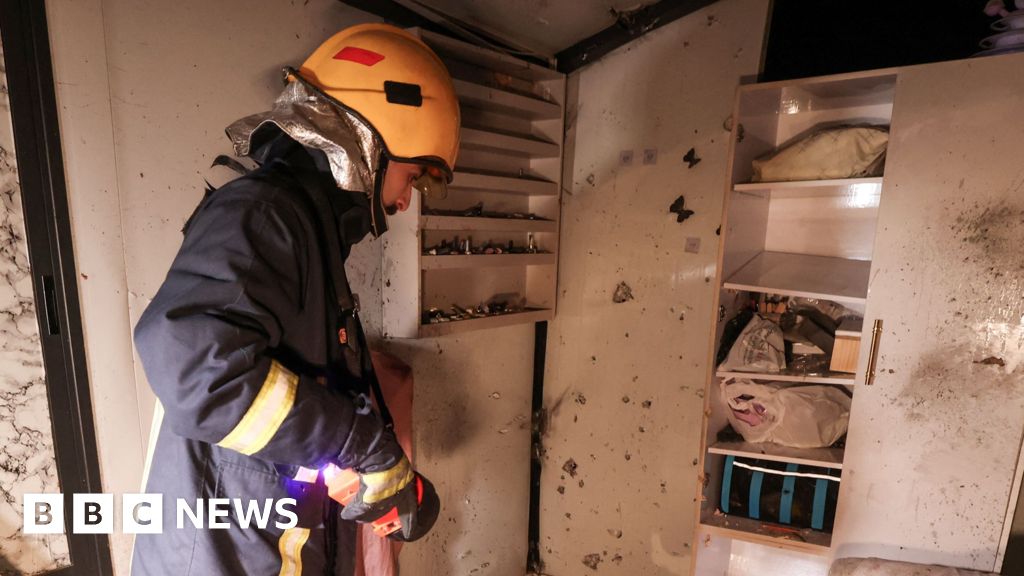
The impact of such events extends far beyond the immediate casualties. The psychological toll on survivors, their families, and the wider community can be profound and long-lasting. The destruction of a place of business, a space where women often gather for social interaction and personal care, adds another layer of disruption to daily life and community fabric. The trauma of such an event can lead to widespread fear, anxiety, and a sense of insecurity, further impacting the well-being of the civilian population.
This incident also brings into sharp focus the broader context of the ongoing Israeli-Palestinian conflict and the wider regional tensions involving Iran. The reported missile firings by Iran towards Israel, and Israel’s subsequent interception efforts, illustrate the escalating nature of these conflicts and the potential for spillover effects into adjacent territories, such as the West Bank. The occupied Palestinian territories, while not a direct participant in the Iran-Israel exchange, often find themselves caught in the crossfire, bearing the brunt of retaliatory actions or collateral damage from military operations in the wider region.
The international community has consistently called for the protection of civilians in conflict zones and adherence to international humanitarian law. The events in Beit Awwa serve as a stark reminder of the urgent need for de-escalation, diplomatic solutions, and robust mechanisms to ensure the safety and security of civilian populations caught in the midst of geopolitical rivalries. The tragic loss of life in this West Bank salon underscores the human cost of these conflicts and the imperative to prevent such devastating incidents from occurring in the future.
The PRCS’s statement about the difficulties in reaching the scene due to closed gates also raises questions about the coordination and communication between different authorities during emergency situations. In situations of armed conflict, ensuring unimpeded access for humanitarian aid and emergency medical services is paramount. Any actions that hinder such access, whether intentional or not, can have life-threatening consequences. Investigations into such logistical challenges are crucial to prevent similar situations from recurring and to ensure that emergency responders can perform their vital duties without undue obstruction.
The identification of the victims, particularly the young age of Mais Ghazi Masalmeh, serves as a poignant reminder of the vulnerability of children and young people in conflict-affected areas. Their dreams, aspirations, and futures are tragically cut short by events far beyond their control. The loss of multiple women from the same community also has a significant impact on the social fabric, affecting families, friendships, and the broader community support systems.
As the world awaits further details and any official statements from the Israeli military, the human tragedy in Beit Awwa remains a focal point. The incident is likely to draw further international attention to the ongoing situation in the occupied Palestinian territories and the broader implications of regional conflicts on civilian populations. The rebuilding of lives, both physically and psychologically, will be a long and arduous process for those affected by this devastating event. The call for accountability, for a thorough investigation, and for measures to prevent future tragedies will undoubtedly grow louder in the wake of this heartbreaking loss of life. The international community’s commitment to upholding international law and protecting civilian lives will be tested by the response to this latest act of violence in the occupied West Bank.

 Nakalama John
 Ramos Leo
 Nana Banana