Nana Banana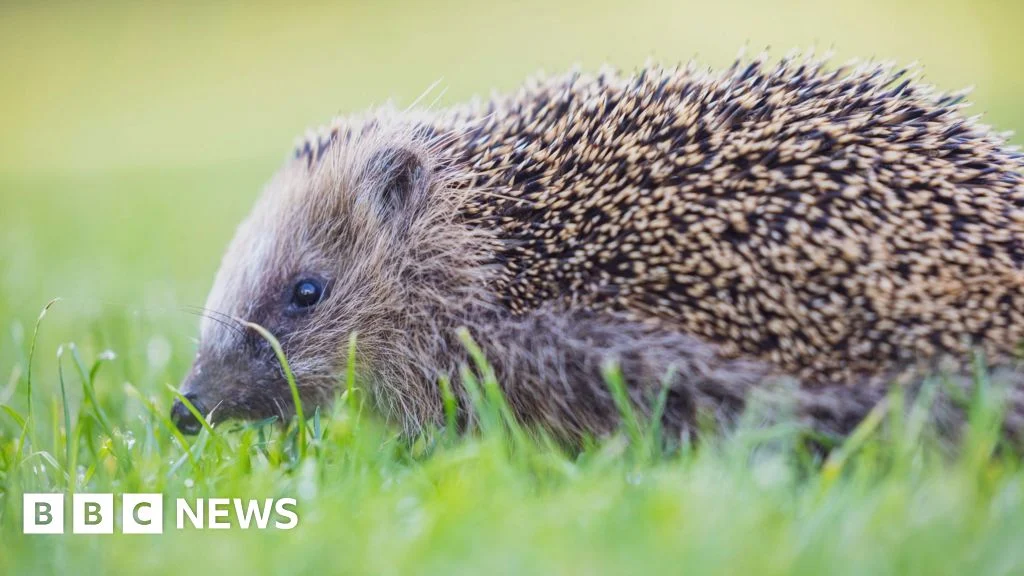
Guildford, Surrey – The Surrey Wildlife Trust has officially launched an ambitious new fundraising campaign, "Wilder Surrey Neighbourhoods," aiming to inject vitality back into the county’s local ecosystems and reverse the alarming decline of once-common species such as hedgehogs, frogs, and toads. The initiative seeks to raise a crucial £40,000, which will directly fund expanded public engagement and practical conservation projects designed to transform gardens, streets, and public spaces into thriving havens for nature.
This vital funding will empower the Trust to scale up its efforts, working hand-in-hand with Surrey residents to create and connect a network of wildlife-rich habitats across the county. The ultimate goal is to facilitate the return of species like swifts, whose iconic aerial displays have become increasingly rare in our neighbourhoods, and to ensure that mammals and crucial pollinators can move safely and freely across the landscape, finding essential food, water, and shelter. The fragmentation of habitats and the loss of green corridors have posed significant barriers to these species, hindering their ability to survive and thrive in an increasingly urbanized environment.
Claire Harris, a spokesperson for Surrey Wildlife Trust, articulated the urgent need for action, stating, "Due to poorly-planned development, the overuse of pesticides, and the widespread practice of creating sterile and lifeless outdoor spaces, wildlife is now disappearing at an alarming rate, and people are becoming increasingly disconnected from the natural world around them." Harris’s comments underscore a growing concern among conservationists about the cumulative impact of modern living on local biodiversity. Poorly-planned developments often disregard existing ecological networks, carving up vital habitats with new infrastructure and leaving isolated pockets of nature unable to sustain diverse populations. Meanwhile, the indiscriminate use of pesticides in gardens and agricultural settings decimates insect populations, which are fundamental to the food chain, impacting everything from birds to small mammals. The trend towards paved-over gardens, artificial lawns, and exotic, non-native planting further exacerbates the problem, creating biological deserts where native wildlife struggles to find sustenance and shelter.
The "Wilder Surrey Neighbourhoods" campaign will initially focus its efforts on residential areas within key county towns, including Farnham, Guildford, and Dorking, where community engagement and habitat restoration can have a significant impact. The Trust plans to implement a multi-faceted approach, involving:
- Community Workshops and Training: Delivering educational sessions to equip residents with the knowledge and skills to create wildlife-friendly gardens, from building hedgehog homes and installing swift bricks to planting native wildflowers and creating mini-ponds.
- Habitat Linkages: Facilitating the creation of "hedgehog highways" – small gaps in garden fences – to allow hedgehogs to roam freely between gardens in search of food and mates, crucial for their survival in suburban areas.
- Public Space Transformation: Collaborating with local councils, schools, and community groups to transform verges, parks, and other public land into biodiverse areas through wildflower planting, native hedgerow restoration, and the creation of insect hotels.
- Pesticide Reduction Advocacy: Raising awareness about the detrimental effects of chemical pesticides and promoting organic gardening practices, encouraging residents to adopt natural pest control methods and support pollinator health.
- Citizen Science Initiatives: Engaging the public in wildlife monitoring and surveying, helping to track the progress of conservation efforts and identify areas most in need of intervention, fostering a sense of ownership and connection.
- Provision of Resources: Supplying native plant seeds, advice leaflets, and potentially even subsidised wildlife-friendly products (like bird boxes or bee hotels) to encourage participation.
A sobering 2017 report carried out by Surrey Wildlife Trust painted a stark picture of the county’s ecological health, revealing that a staggering third of Surrey’s species were in serious decline. The report highlighted the local extinction of several species, such as the wryneck, a distinctive woodpecker, and the pine marten, a native carnivore, which once roamed Surrey’s woodlands. These losses serve as a grim reminder of the profound changes occurring within our local environment. The report, based on extensive surveys and data analysis, detailed how habitat loss, climate change, and pollution were driving these declines, impacting a wide array of species from rare insects and amphibians to iconic birds and mammals. It emphasized the urgent need for integrated conservation strategies that address these multiple pressures.
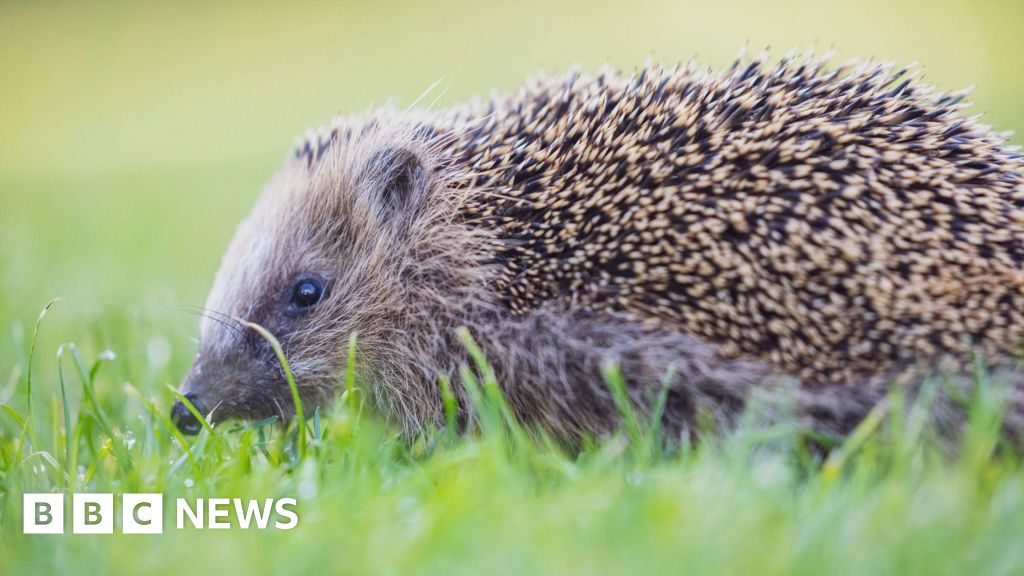
"Within living memory, our streets, parks, and gardens were alive with buzzing insects, hopping frogs, singing birds, and bustling hedgehogs," Harris recounted, her words evoking a sense of nostalgia for a more biodiverse past. "For many, these encounters were a daily joy, an intrinsic part of childhood and community life. The sounds and sights of nature were not just pleasant; they were fundamental to our well-being." She passionately added, "If more people work with us to help wildlife, we’ll bring the joys and benefits nature provides back to our daily lives." These benefits extend far beyond mere aesthetics; interaction with nature has been scientifically proven to reduce stress, improve mental health, enhance cognitive function, and foster a sense of community. For children, a connection to wildlife is crucial for developing an understanding of ecological processes and instilling a lifelong respect for the environment.
The long-term vision of the Surrey Wildlife Trust extends beyond simply preventing further declines; it aims to actively rewild and restore pockets of nature across the county. The £40,000 target is a crucial first step, enabling the Trust to kickstart these localized initiatives and demonstrate the tangible positive impact that concerted community effort can achieve. Every pound raised will contribute to practical measures, from planting thousands of native wildflower seeds to installing hundreds of swift boxes and creating dozens of new garden ponds. It will also support the vital educational outreach needed to inspire a generation of "wildlife guardians" within Surrey.
Surrey, with its unique blend of bustling towns, picturesque villages, and swathes of protected Green Belt land, presents both challenges and immense opportunities for wildlife conservation. Its proximity to London means it experiences significant developmental pressure, yet its diverse landscapes, from ancient woodlands to heathlands and chalk downs, still hold incredible ecological value. By focusing on residential areas, the Trust acknowledges that conservation cannot be confined to nature reserves alone; it must be integrated into the fabric of everyday life.
Residents eager to contribute to the "Wilder Surrey Neighbourhoods" campaign can donate directly through the Surrey Wildlife Trust’s website or participate in various fundraising events planned throughout the year. Beyond financial contributions, the Trust encourages everyone to become a "wildlife champion" in their own garden or community space. Simple actions like leaving a patch of lawn to grow wild, planting pollinator-friendly flowers, creating a log pile for invertebrates, or ensuring safe access for hedgehogs can collectively make a profound difference. Volunteering opportunities will also be available for those who wish to get hands-on with habitat creation and restoration projects.
The Trust firmly believes that by fostering a deeper connection between people and nature, and by providing the tools and knowledge to take meaningful action, Surrey can once again become a vibrant tapestry of interconnected wild spaces, where the joyous sounds and sights of diverse wildlife are a common, cherished experience for all. This campaign is not just about saving species; it’s about enriching lives and building a more resilient, biodiverse future for Surrey.




 Nakalama John
 George Anjay
 Ramos Leo
 atisusanti
 Roy Suryo