
 George Anjay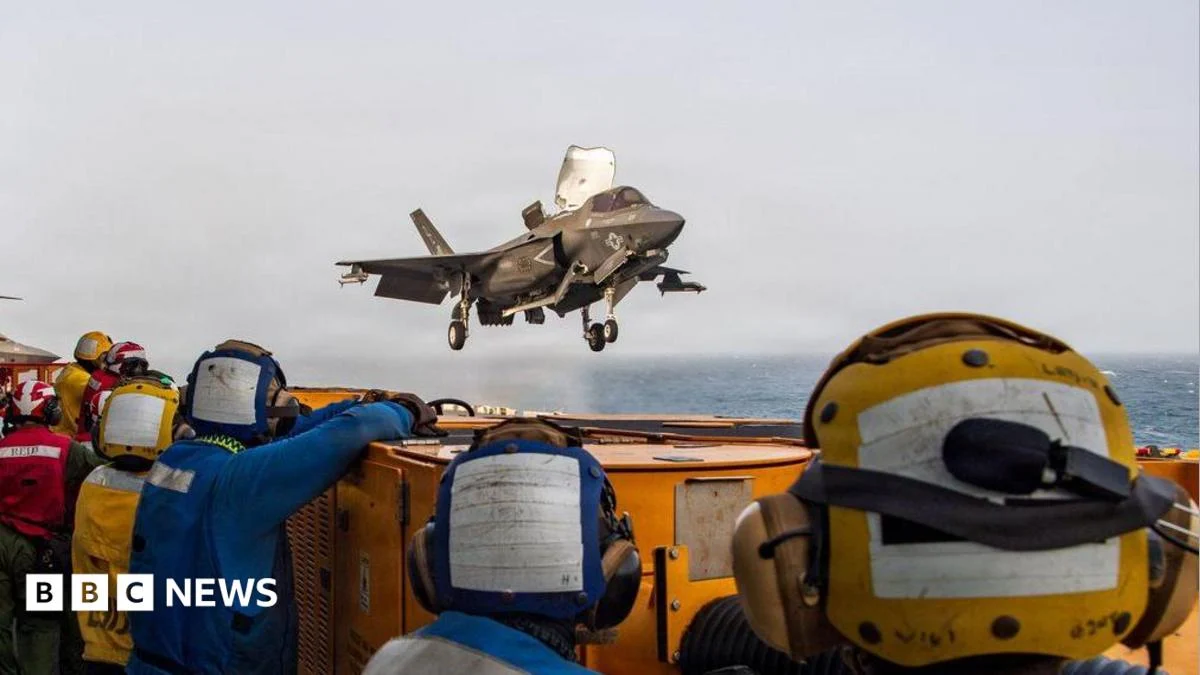
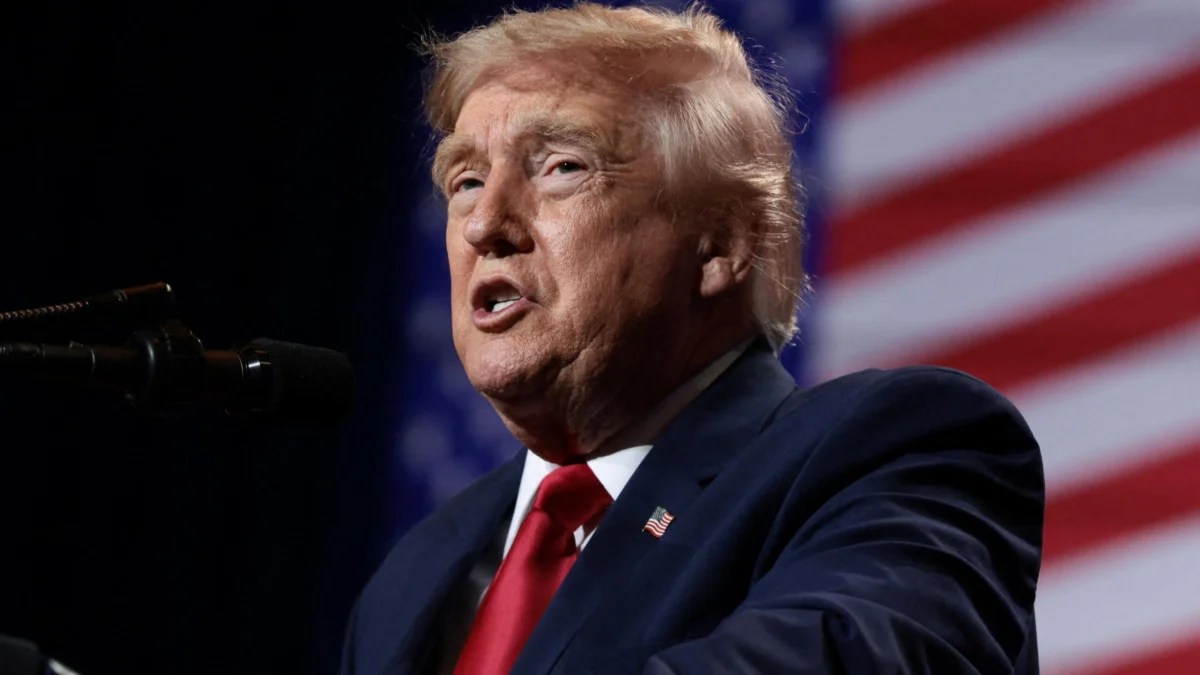
In a dramatic escalation of tensions that has plunged the Middle East into a state of heightened alert, the United States military announced on Tuesday that it had commenced a new wave of strikes targeting Iran. These meticulously planned operations are explicitly aimed at "further degrading" Iran’s capacity to launch attacks on maritime vessels navigating the strategically vital Strait of Hormuz. This marks the tenth consecutive night of American military action, a sustained campaign initiated in the wake of President Donald Trump’s unequivocal vow to exact severe retribution against Iran for the recent deaths of three American soldiers. The President, speaking with uncharacteristic vehemence, declared that Iran would "pay many times over" for the lives lost, emphasizing a commitment to an eye-for-an-eye policy.
Earlier in the day, President Trump had asserted that Iran had been subjected to "very hard" strikes the previous night, a retaliatory measure explicitly undertaken "in honor" of the fallen servicemen. Two of these soldiers tragically perished in Jordan, while the third lost their life in Iraq. The American strikes, according to initial reports, were directed at key Iranian military and communications infrastructure, suggesting a strategic intent to disrupt Iran’s operational capabilities and command and control networks.
In a stark counter-narrative, Iran’s military leadership claimed to have simultaneously targeted sites within Bahrain, Jordan, and Syria. President Masoud Pezeshkian of Iran, in a somber pronouncement, declared that the nation was now engaged in a "full-scale war" with the United States. This declaration, if accurate, signifies a profound and dangerous shift in the regional dynamics, moving beyond proxy skirmishes to direct confrontation.
Despite this dramatic escalation and the alleged "full-scale war," Tehran also conveyed a nuanced message: diplomatic channels, albeit strained, remained open. The Iranian foreign ministry indicated that diplomatic messages were still being exchanged between the two adversaries through intermediary nations, a testament to the complex and often contradictory nature of international diplomacy during crises. This statement, however, came amidst reports of a significant breakdown in ceasefire negotiations, suggesting that any hope for de-escalation was rapidly diminishing.
The ripple effects of this escalating conflict were felt across the region. In a significant development late on Monday, Jordan’s military confirmed that its air defense systems had successfully intercepted and shot down three Iranian missiles. The incident was accompanied by the blaring of sirens across the Hashemite Kingdom, a chilling reminder to its citizens of the incoming threat. This interception underscores the direct and immediate danger posed by the unfolding hostilities, with civilian populations now increasingly at risk.
Earlier on Tuesday, Kuwait’s armed forces reported intercepting Iranian drones, further highlighting the pervasive nature of Iranian aerial incursions and the heightened state of readiness across the Persian Gulf region. The Kuwaiti authorities did not provide specific details regarding the drones’ intended targets or their origin, but the interception itself signals a proactive defense posture against potential Iranian aggression.
Bahrain also reported that drones launched by Iran had targeted its air navigation systems. While the attack caused no disruption to air traffic, the deliberate targeting of civilian infrastructure like air traffic control systems represents a significant escalation and a clear violation of international norms. The statement from Bahrain’s authorities aimed to reassure the public that operations remained unaffected, but the incident served as a stark reminder of the fragility of regional security.
Details surrounding the US strikes on the previous night emerged through Iranian media. The semi-official Tasnim news agency reported that several Iranian cities had been impacted, including Tabriz, Chabahar, Konarak, Bandar Mahshahr, and Bandar Imam Khomeini. These reports, while unconfirmed by independent sources, suggest a widespread and coordinated American offensive aimed at inflicting significant damage on Iran’s military and economic infrastructure.
Adding a dramatic and contested element to the narrative, Iranian state media reported that two oil tankers had exploded while attempting to traverse the Strait of Hormuz. The Islamic Revolutionary Guard Corps (IRGC) issued a statement claiming that these tankers were navigating what they termed an "unsafe and hazardous southern route" of the strait when they "exploded and were brought to a halt." However, these claims were sharply disputed by the U.S. Central Command (Centcom), which denied any involvement in such incidents. The discrepancy between the Iranian and American accounts highlights the ongoing information war and the difficulty in verifying events in real-time during a conflict. The potential for such incidents to further destabilize global energy markets cannot be overstated, given the Strait of Hormuz’s critical role in oil transportation.
The renewed US strikes and President Trump’s strong rhetoric come at a time of immense geopolitical complexity. The region has been a tinderbox for years, with simmering tensions between the US and Iran often flaring up. The recent deaths of the three American soldiers have clearly acted as a catalyst, pushing the two nations towards a more direct and confrontational stance. The implications of this escalation are far-reaching, potentially impacting global oil prices, regional stability, and the broader international order. The coming days and weeks will be crucial in determining whether this dangerous spiral of violence can be contained or if it will plunge the Middle East into an even deeper and more devastating conflict. The world watches with bated breath as the situation continues to unfold, with the potential for further escalation and unforeseen consequences looming large. The strategic importance of the Strait of Hormuz, through which a significant portion of the world’s oil supply passes, makes any disruption there a matter of global concern. The ongoing military actions risk not only regional conflict but also a significant impact on the global economy. The international community’s calls for de-escalation and a return to diplomatic solutions are likely to intensify, but the current trajectory suggests a difficult path ahead.



 Roy Suryo

 Nakalama John
 atisusanti
 Ramos Leo
