
 Roy Suryo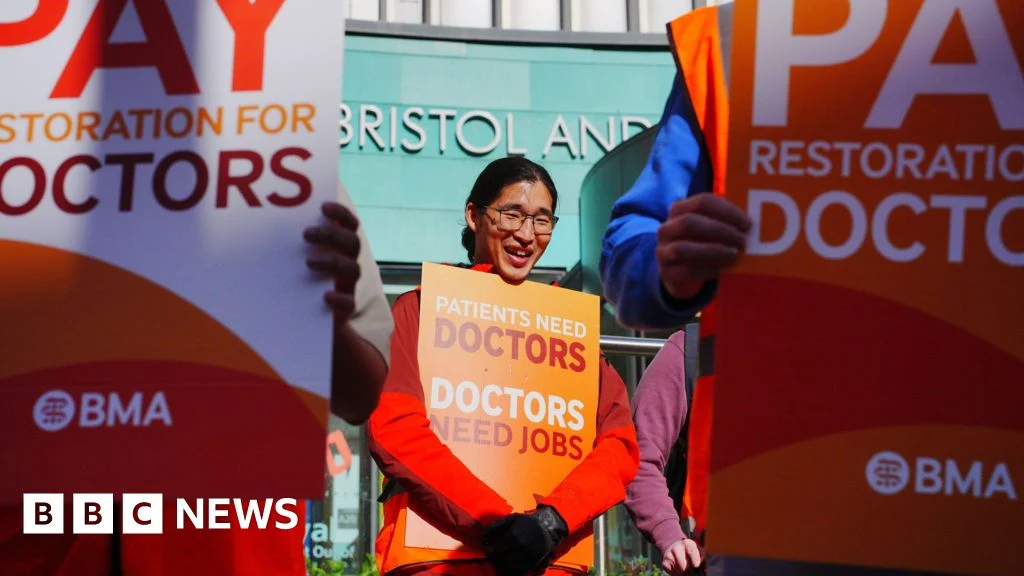
The West of England has been abuzz with a spectrum of compelling narratives this past week, ranging from the critical industrial action by medical professionals to the whimsical discovery of canine companionship in the cosmos. Resident doctors across the region have concluded a significant six-day strike, a period marked by palpable concern for patient care and the future of the medical profession. The images accompanying these reports often depict dedicated doctors, some holding placards emblazoned with messages like "Patients need doctors. Doctors need jobs," standing resolutely, often with smiles that belie the gravity of their concerns, outside institutions such as the Bristol Royal Infirmary on sun-drenched days. This industrial action underscores a pressing national dialogue about healthcare funding, staffing levels, and the overall sustainability of the NHS.
Beyond the vital discussions surrounding healthcare, a more lighthearted, yet equally fascinating, development has captured the imagination. Reports have emerged of "paw prints in space," a story that, while initially sounding like pure fantasy, points to a potential breakthrough or discovery that has interstellar implications. While details remain somewhat nebulous in the initial reporting, the phrase itself conjures images of canine astronauts or perhaps evidence of extraterrestrial life that bears a striking resemblance to animal tracks, prompting widespread curiosity and speculation. This juxtaposition of grounded, serious issues like doctor strikes with the almost fantastical notion of paw prints in space perfectly encapsulates the diverse and often surprising nature of news emanating from the West of England.
Gloucestershire Live has been closely following developments in the Forest of Dean, where the potential arrival of the region’s first drive-through KFC has ignited a debate amongst residents. While the prospect of convenient fast food has its proponents, a significant contingent of locals expressed their reservations, fearing that such an establishment could "blight the area’s beauty." This concern highlights a recurring tension between economic development and the preservation of the natural and aesthetic appeal of rural landscapes, a concern particularly acute in areas renowned for their natural charm. The report delves into the community’s anxieties, exploring how a seemingly straightforward business venture can spark such passionate local discourse, and the potential impact on the unique character of the Forest of Dean.
In a significant initiative aimed at tackling youth disaffection and anti-social behaviour, eight new "futures hubs" are set to launch in areas identified as hotspots, including Bristol, Nottingham, and Leeds. ITV West has provided in-depth coverage of the launch of Bristol’s East Central Bristol Young Futures Hub, which commenced operations on April 1st. These centres are designed to be a lifeline for young people up to the age of 18, offering crucial support in areas such as employment guidance, health and wellbeing, and crucially, providing a positive alternative to steer them away from potential involvement in crime. The article highlights the voices of young people themselves at the hub’s opening, offering a personal perspective on the importance of such initiatives and the hopes they hold for a brighter future. The hubs represent a proactive approach by authorities to address the root causes of anti-social behaviour, fostering a sense of community and opportunity for a generation facing numerous challenges.
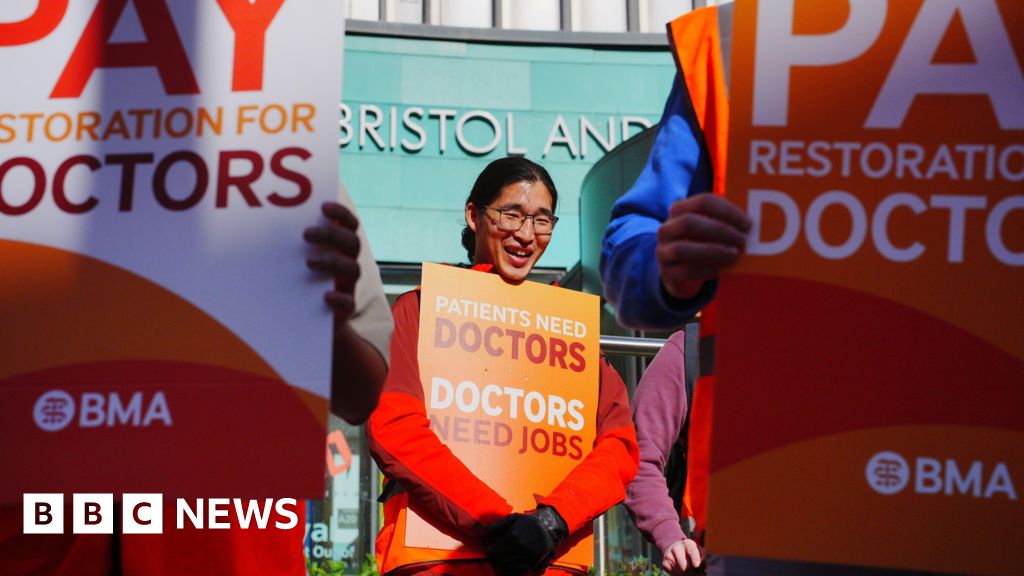
The ongoing industrial action by resident doctors in the West of England has cast a long shadow over local healthcare services. The six-day strike, a significant escalation in the ongoing dispute over pay and working conditions, has inevitably led to disruptions in routine appointments and non-emergency procedures. While the striking doctors have consistently emphasized their commitment to patient safety and have ensured emergency care remains unaffected, the sheer duration of the strike has placed considerable strain on the healthcare system. The images accompanying these reports often show doctors, many of whom are in the early stages of their careers, articulating their grievances with a mixture of frustration and determination. Their placards, bearing slogans like "Patients need doctors. Doctors need jobs," are not merely expressions of personal hardship but also serve as a stark reminder of the broader implications for the future of the NHS. The strike has reignited public debate about the value placed on medical professionals and the urgent need for sustainable solutions to the NHS’s staffing and funding challenges. The West of England, with its densely populated urban centres and more rural communities, faces unique challenges in ensuring equitable access to healthcare, and the impact of these strikes is felt across the entire spectrum of patient care.
Meanwhile, the whimsical report of "paw prints in space" has added an element of delightful intrigue to the week’s news cycle. While the initial reports are brief, the concept itself is enough to spark considerable imagination. Are these literal paw prints left by an animal that somehow ventured into the void? Or is it a metaphorical discovery, perhaps a newly identified celestial phenomenon or even a sign of extraterrestrial intelligence that bears an uncanny resemblance to animal tracks? The ambiguity is part of the charm, inviting speculation and a sense of wonder. This story, in its sheer unexpectedness, serves as a potent reminder that the universe holds endless possibilities, and that sometimes, the most extraordinary discoveries can be found in the most unlikely of places. It’s a narrative that transcends the immediate concerns of daily life, offering a glimpse into the vast unknown and the potential for marvels that lie beyond our terrestrial experience. The West of England, with its rich history of scientific exploration and a population known for its intellectual curiosity, is a fitting locale for such an imaginative story to take root.
The proposed introduction of a drive-through KFC in the Forest of Dean, as reported by Gloucestershire Live, has become a focal point for local opinion, highlighting a classic conflict between convenience and conservation. The news that the fast-food giant is considering an expansion into this picturesque region has been met with a mixture of anticipation and apprehension. For some, it represents a welcome addition to local amenities, offering a readily accessible dining option. However, a significant portion of the community has voiced concerns that such a development could irrevocably alter the character of the Forest of Dean, a landscape cherished for its natural beauty and tranquility. The phrase "blight the area’s beauty" encapsulates the core of their opposition, suggesting that the visual and environmental impact of a large commercial establishment would be detrimental to the area’s appeal. This debate underscores the delicate balance that many communities strive to maintain between embracing modern conveniences and preserving their unique heritage and natural surroundings. Local councils and planning committees will undoubtedly face the challenge of mediating these differing viewpoints, ensuring that any development aligns with the long-term vision for the Forest of Dean. The story serves as a microcosm of broader national discussions about the pressures of development in areas of outstanding natural beauty.
The establishment of eight new youth futures hubs across the country, including a significant presence in Bristol, signals a proactive and targeted approach to addressing societal challenges. As detailed by ITV West, these hubs are designed to be more than just youth clubs; they are envisioned as comprehensive support systems for young people aged up to 18. The initiative is particularly focused on areas identified as having high rates of anti-social behaviour, aiming to provide positive alternatives and constructive pathways. The launch of the East Central Bristol Young Futures Hub on April 1st offers a tangible representation of this commitment. By offering assistance with employment advice, health and wellbeing services, and general life skills, these hubs aim to empower young individuals and prevent them from becoming disaffected or falling into criminal activities. The inclusion of direct quotes and observations from young people attending the launch event provides a crucial human element to the story, underscoring the real-world impact of such initiatives. The futures hubs represent an investment in the next generation, acknowledging the importance of early intervention and providing the resources necessary for young people to thrive and contribute positively to their communities. This forward-thinking strategy is designed to foster a sense of belonging and opportunity, ultimately contributing to safer and more vibrant communities across the West of England and beyond. The initiative’s success will likely be measured not only in statistics of reduced anti-social behaviour but also in the improved life chances and well-being of the young people it serves.

 George Anjay
 Nakalama John
 atisusanti
 Ramos Leo
 Nana Banana