
 atisusanti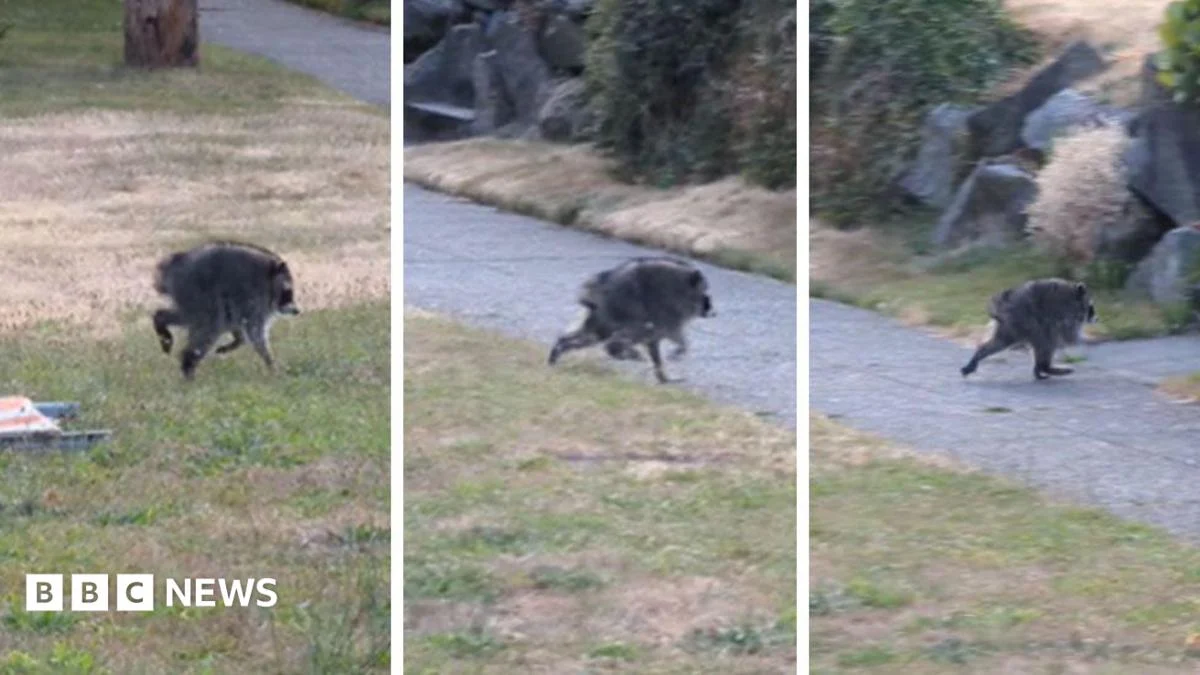
Charli XCX might be hoping the release of her new album sets off another Brat summer, but many believe the season has already been claimed by a furrier force – Jimothy. First spotted bounding across streets in Washington, the Seattle raccoon with an unusual, spindly shape and the scamper of a Tasmanian Devil has been seized on by the internet as a new hit meme. Like Moo Deng and Neil the Seal before him, he is the latest cute, distinctive, and seemingly chaotic creature to be immortalised in amateur footage, sometimes cringeworthy brand posts, and even murals. But what is it about Jimothy, as he’s been nicknamed, that has gripped the internet?
It all began with an innocuous video shared by Seattle resident Kiana Hall on Instagram. "What am I looking at?" Hall could be heard exclaiming, as the unusual-looking raccoon hurtles across a pavement and up some nearby steps. A caption alongside it referred to the creature as "Jimothy the raccoon with short spine syndrome". While it is not known for sure if the condition has caused his appearance, many have assumed as such, and the description has stuck. As Hall’s Instagram reel spread, it attracted more and more likes, comments, and reposts, with more than eight million views as of Friday morning. "My brother was talking about Jimothy the other day, and I asked him who he is," reads one comment on Hall’s video. "He told me Jimothy would find me, and now he has."
Some users have also praised the raccoon’s online fame for drawing attention to spine conditions. "I hope that someone can care for Jimothy as a wild animal… he will get older and need more care," wrote one user, who said she had been born with a congenital spine syndrome. Jimothy would not be the first to attract online fame for such a condition. Australian YouTuber Lessons in Meme Culture points out that a dog called Pig became a brief internet sensation in 2014 owing in part to having short spine syndrome.
Why is he everywhere?
In a strange pop cultural tradition that covers the likes of Doge and Grumpy Cat, Jimothy has found himself in the crosshairs of media attention for being two things – an unusual animal and very shareable. "As cities expand and food waste increases, humans and raccoons cross paths more often," said Dr Idil Galip, digital culture researcher at the University of Amsterdam. "More encounters mean more footage of raccoons being funny and in today’s fast-moving, saturated feeds, that footage can become a meme almost instantly."
He hasn’t just been celebrated in posts from fans across social media. The online outpouring of love for Jimothy has also since translated into the real world – with one local artist celebrating him with a mural in the neighbourhood of Ballard, where he was first spotted. President Donald Trump’s White House social media accounts, no stranger to tapping into online culture to promote his agenda, have also shared a Jimothy meme. In a post on X, it portrayed the raccoon donning a red hat emblazoned with "Trump was right about everything".
Blissfully unaware of his 15 minutes of viral fame, the raccoon has become fodder for brands racing to capitalise on consumer interest in the latest online trend. Among the things Jimothy has amassed so far are:
- Merchandise featuring his likeness, from t-shirts to stickers.
- Brand advertisements incorporating his image into their campaigns, seeking to capture a piece of his internet appeal.
- Fan art and digital creations that reimagine him in various scenarios and styles.
- Mentions and integrations into online games, such as Minecraft, further cementing his digital presence.
"Meme marketing is now standard practice for many brands," said Dr Galip. "They will hop on to whatever’s trending, hoping the visibility rubs off on them. A viral moment can give momentary brand visibility, in searches and social media feeds, where the attention is." He’s even popped up in Minecraft, or so the official account claims.
From naughty penguins to ungovernable elephant seals, funny animals attracting attention on the internet is nothing new. But the surge of interest and drive to document these quirky, characterful creatures can often result in pleas from local officials to respect their privacy and safety. People in Washington and its most populous city Seattle have been similarly warned not to approach Jimothy to protect him and themselves. "As long as you don’t try to pet him, cuddle him or feed him, Jimothy poses zero public health risk," said the state health department on Threads.
But in an otherwise overwhelming online landscape, some feel these viral moments offer some relief. "The internet is a lot. It is too much, constantly, in every direction," writes Jamie Slack on her blog, Totally the Bomb. "And then Jimothy shows up and for one brief weird moment everyone is on the same page – rooting for this little gremlin, giggling at his name, feeling weirdly connected to strangers over absolutely nothing." The phenomenon of Jimothy highlights the internet’s capacity to unite people through shared amusement and empathy for unusual creatures, offering a brief respite from the complexities of the digital world. His unique appearance and spirited behaviour have resonated with millions, transforming him from a mere urban wildlife sighting into a beloved, if somewhat peculiar, internet icon. The enduring appeal of such viral animal moments lies in their ability to evoke simple joy and a sense of shared experience, reminding us of the lighter side of life online.



 Roy Suryo

 Nakalama John
 Ramos Leo
