George Anjay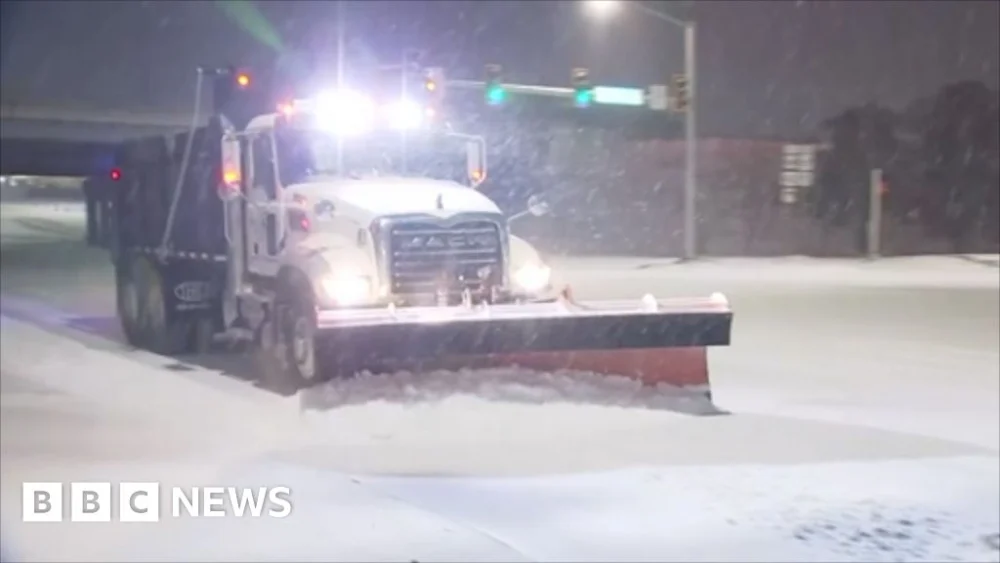
While the storm’s reach is extensive, Oklahoma, a state no stranger to volatile weather patterns, found itself squarely in the storm’s crosshairs. Raw and compelling video footage emerging from the Sooner State vividly illustrates the Herculean efforts underway to combat the encroaching snow and ice. Crews are locked in a fierce battle, deploying an armada of snow ploughs and other specialized winter maintenance equipment to clear critical roadways and the vital airport runways that serve as lifelines for commerce and transportation. The images depict scenes of heavy machinery bravely pushing back against towering drifts, their powerful engines roaring in defiance of the blizzard’s fury. The sheer volume of snow accumulating on surfaces poses a significant challenge, threatening to paralyze movement and disrupt daily life for millions.
The impact on Oklahoma’s infrastructure is palpable. Highways that are usually arteries of commerce and daily commute have been transformed into treacherous white landscapes, often reduced to single lanes or rendered impassable entirely by the relentless snowfall. The state’s Department of Transportation has mobilized its entire fleet, with drivers working around the clock in treacherous conditions to maintain essential routes. Their task is not merely to clear the snow but to do so with a sense of urgency, ensuring that emergency services can reach those in need and that vital supply chains remain functional. The plows, often working in tandem, create a stark visual of man versus nature, their bright flashing lights a beacon of resilience against the overwhelming white.
Airports in Oklahoma have been particularly hard-hit. The smooth operation of air travel relies on meticulously cleared runways, and the heavy snowfall has presented a monumental challenge to aviation authorities. The footage showcases specialized airport snow ploughs, some equipped with massive plows and blowers, working tirelessly to maintain the integrity of the tarmac. The wind, often accompanying these blizzards, creates dynamic conditions, with snow quickly drifting back onto cleared areas, necessitating continuous and often repetitive efforts. The cancellation of thousands of flights nationwide underscores the critical importance of these runway clearing operations; without them, air travel grinds to a complete halt, impacting not only leisure travelers but also critical cargo and business operations.
The freezing temperatures accompanying the snow add another layer of complexity and danger to the situation. Ice accumulation on roads, bridges, and power lines poses a significant threat. The frigid air can cause moisture on surfaces to freeze, creating treacherous black ice that is notoriously difficult to detect and can lead to devastating accidents. Power outages are also a significant concern, as ice-laden trees and power lines succumb to the weight and the frigid conditions. Emergency crews are on high alert, responding to a multitude of weather-related incidents, from stranded motorists to downed power lines. The sheer scale of the storm necessitates a coordinated and sustained response, drawing resources from multiple agencies and municipalities.
Beyond the immediate physical challenges of snow and ice, the psychological toll of such a severe winter storm cannot be understated. For residents of Oklahoma, and indeed for millions across the affected regions, the storm brings disruption, isolation, and uncertainty. Businesses may be forced to close, schools are shuttered, and daily routines are thrown into disarray. The persistent darkness of winter, amplified by the blizzard’s intensity, can contribute to feelings of gloom and confinement. However, the images of the snow ploughs battling the elements serve as a powerful reminder of human determination and the collective effort to overcome adversity. They symbolize the ongoing commitment to restoring normalcy and ensuring the safety and well-being of communities.
The economic ramifications of such a widespread and severe winter storm are also considerable. The cancellations of flights alone represent millions of dollars in lost revenue and significant disruption to businesses that rely on air travel. The cost of snow removal, emergency response, and potential repairs to damaged infrastructure will also place a substantial burden on local and state budgets. Furthermore, the disruption to supply chains can lead to shortages of essential goods and increased prices for consumers. The long-term economic impact will depend on the duration and severity of the storm and the speed at which communities can recover.
The National Weather Service’s warnings are a critical component of the response, providing vital information to the public, allowing individuals and authorities to prepare and adapt. The detailed forecasts and advisories issued by the NWS enable emergency managers to preposition resources, advise residents to stock up on supplies, and issue evacuation orders when necessary. The collaboration between meteorological experts and those on the ground, such as the snow plough operators, is essential for navigating these challenging weather events effectively. The commitment to public safety and preparedness is paramount in mitigating the worst effects of such a powerful winter system.
In Oklahoma, the visual narrative of snow ploughs engaged in their arduous task is more than just a depiction of a weather event; it is a testament to the resilience of the human spirit and the dedication of those who work tirelessly to keep our communities moving, even in the face of nature’s most formidable challenges. The relentless fight against the blizzard on the state’s roads and runways is a stark reminder of the power of winter storms and the importance of preparedness, infrastructure, and the unwavering commitment of essential workers who brave the elements to ensure our safety and connectivity. The battle is ongoing, but the determined efforts of these snow plough crews offer a glimmer of hope and a symbol of the enduring ability to overcome even the most severe winter onslaughts. The story continues, as the nation collectively braces for the lingering effects of this significant winter storm.




 Roy Suryo

 Nakalama John
 atisusanti
 Ramos Leo