George Anjay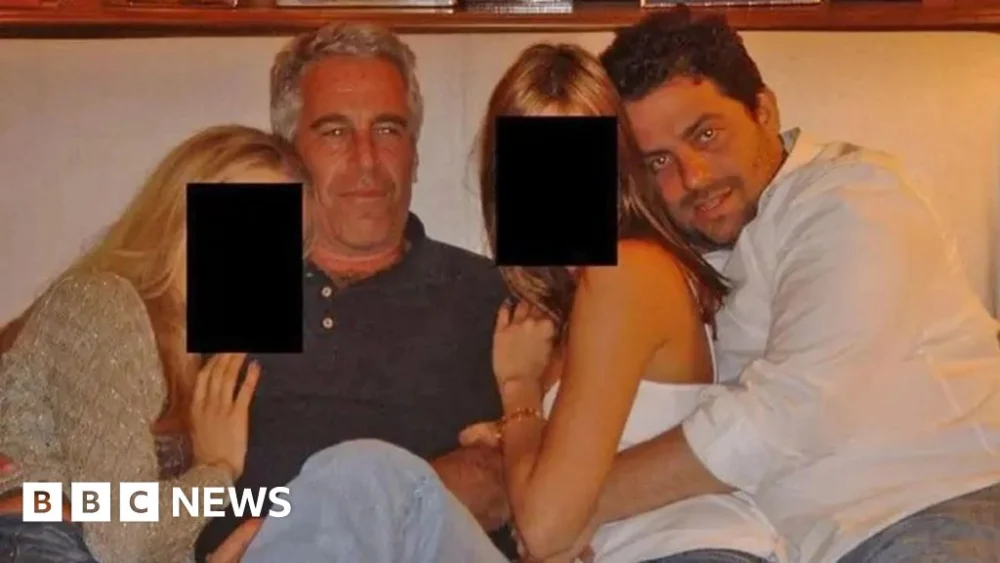
New images have emerged from the U.S. Department of Justice that place Brett Ratner, the director of the recent documentary on First Lady Melania Trump, in intimate settings with the late sex offender Jeffrey Epstein. Ratner, also known for directing blockbuster films such as the "Rush Hour" franchise and "X-Men: The Last Stand," is depicted in the newly released photographs embracing a woman while seated on a sofa alongside Epstein. The exact timing of these photographs remains unconfirmed, but they appear to be from the same context as previously released images showing Ratner and Epstein with Jean-Luc Brunel, a notorious French modeling agent who also faced legal scrutiny. These revelations add another layer of complexity to the ongoing public interest surrounding Epstein’s vast network and the individuals connected to him.
The newly surfaced images were part of a significant release of millions of documents pertaining to Jeffrey Epstein, who died in federal custody in August 2019 while awaiting trial on charges of sex trafficking of minors. The U.S. Department of Justice made these files public as mandated by a court order, aiming for greater transparency regarding Epstein’s alleged criminal enterprise. The photographs, which have been circulating, show Ratner in what appear to be relaxed social interactions with Epstein and unidentified women. In some instances, the women’s faces are obscured in the released files, a measure taken to protect privacy and potentially comply with legal redaction requirements.
The released documents are part of a broader effort to declassify information related to Epstein’s activities and his associates. These files are extensive, containing a wide array of information, including deposition transcripts, witness statements, and personal photographs. The inclusion of Ratner in these documents, particularly in photographs with Epstein, has drawn considerable attention, especially given Ratner’s recent high-profile project and his own past controversies.
The timing of this release is particularly noteworthy, coinciding with the debut of "Melania: 20 Days to History," a documentary offering a glimpse into the life of former First Lady Melania Trump in the period leading up to her husband’s potential second inauguration in January 2025. Ratner’s involvement in this documentary marks his return to directing after facing multiple accusations of sexual misconduct in 2017, at the peak of the #MeToo movement. Ratner has consistently denied these allegations.
The U.S. Department of Justice’s release of the Epstein files has been a complex and often contentious process. The files are subject to redactions designed to shield the identities of victims and prevent interference with ongoing investigations. However, some legal representatives for Epstein’s accusers have stated that the release, despite redactions, has inadvertently disclosed the identities of numerous survivors. The legal framework guiding the release mandates that sensitive information be carefully managed, leading to the obscured faces in some of the photographs.
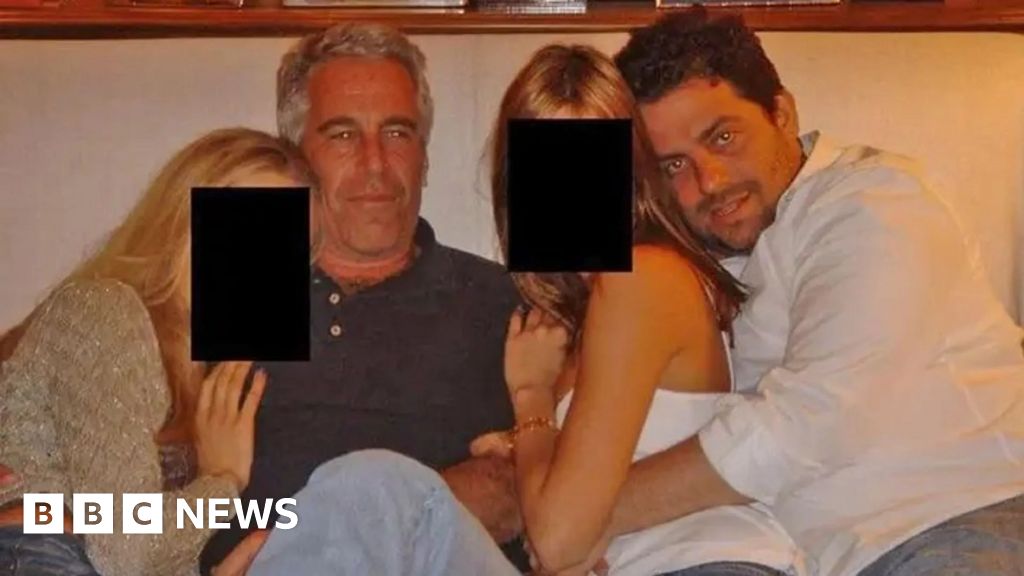
A series of thumbnail images from the collection further illustrates the nature of the released material. These thumbnails depict Ratner, Epstein, and Brunel in various social settings, interacting with women whose identities are also concealed. The overall impression conveyed by these images is one of a social circle that included prominent figures from the entertainment and business worlds, alongside individuals allegedly involved in Epstein’s illicit activities.
The Epstein investigation has implicated a wide range of individuals, from powerful business magnates and politicians to celebrities and socialites. The extensive network of Epstein and his associates has been the subject of intense scrutiny for years, with ongoing legal proceedings and public interest fueling the demand for transparency. The release of these documents is intended to provide a more comprehensive understanding of the scope and reach of Epstein’s alleged criminal activities and the individuals who may have been involved or aware of them.
Brett Ratner’s connection to these files has reignited discussions about his past and his professional re-emergence. His directorial work on the Melania Trump documentary, following the serious allegations against him, has already been a topic of debate. The emergence of these photographs further complicates his public image and raises questions about his association with Epstein.
It is important to note that the mere presence of an individual in these released files does not, in itself, constitute evidence of wrongdoing. The U.S. Department of Justice has stated that the files are released to provide information and that the process of investigation and legal adjudication is separate from the declassification of documents. However, the visual evidence of Ratner in close proximity to Epstein and other individuals linked to the sex trafficking allegations inevitably prompts further inquiry and public discussion.
The BBC has reached out to Ratner’s representative for comment regarding the newly released photographs. As of the time of this report, no official statement has been provided. The ongoing revelations from the Epstein files continue to shed light on a dark chapter involving powerful individuals and alleged widespread abuse, with new details emerging regularly. The public’s attention remains fixed on the implications of these documents and the potential for further accountability and understanding of the events that transpired.
The implications of these images extend beyond Ratner’s personal and professional life. They contribute to a broader narrative of how individuals, irrespective of their public standing or perceived respectability, can become entangled in criminal enterprises. The Epstein case has served as a stark reminder of the importance of due diligence, ethical conduct, and the need for robust systems to prevent and address sexual exploitation and trafficking.
The release of millions of documents is a monumental undertaking, and the process of sifting through and understanding the full scope of the information will likely take considerable time. Each new piece of information, such as these photographs of Brett Ratner, adds another fragment to the complex puzzle of Jeffrey Epstein’s life and his alleged network of enablers and associates. The legal and societal ramifications of these revelations are still unfolding, and the public will undoubtedly continue to follow these developments with keen interest. The visual evidence, even when presented in a context where identities are obscured, carries a significant weight in public perception and discourse, particularly when linked to individuals who have operated in the public eye. The ongoing process of declassification and the subsequent analysis of these files promise to keep the Epstein saga in the public consciousness for the foreseeable future.


 Roy Suryo