George Anjay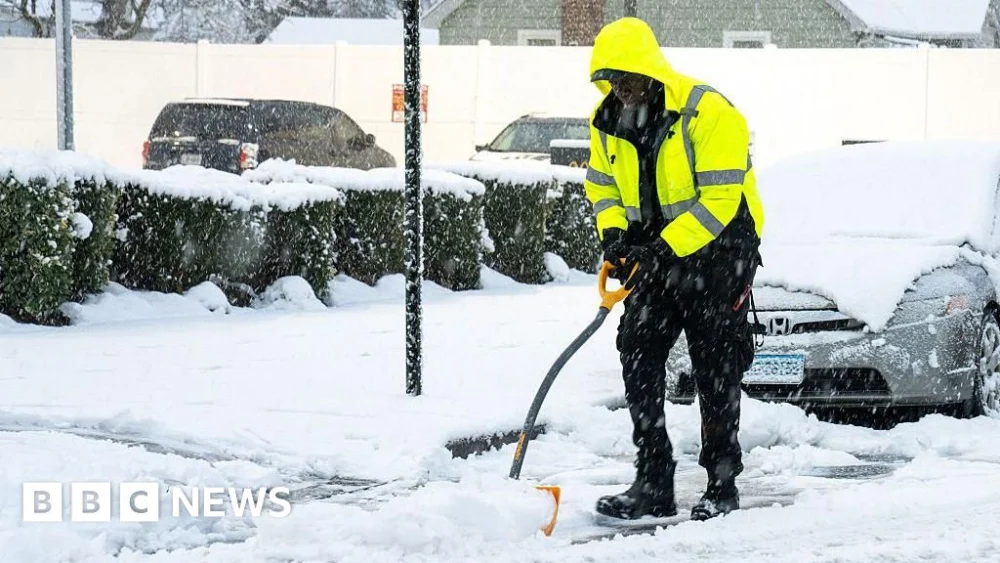
New York has been brought to a standstill by its heaviest snowfall in nearly four years, as a powerful winter storm swept across the northeastern United States, paralyzing transportation networks and prompting a statewide state of emergency. Central Park in New York City recorded an impressive 4.3 inches (11 cm) of snow, marking the deepest accumulation since January 2022, while other regions of New York State experienced up to a substantial 7.5 inches, according to the U.S. National Weather Service (NWS). The severity of the incoming weather prompted New York Governor Kathy Hochul to declare a state of emergency for more than half of the state’s counties, a proactive measure aimed at ensuring public safety and coordinating emergency response efforts.
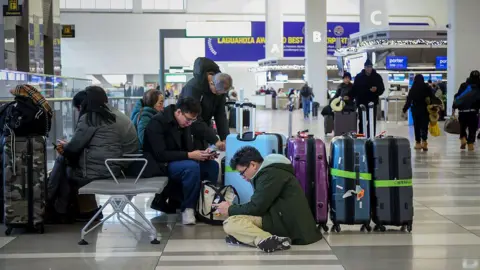
The immediate impact of the storm was felt most acutely in the travel sector. By Saturday morning, the widespread cancellations had created significant disruption. FlightAware, a prominent flight tracking website, reported that nearly 700 domestic flights were canceled, with the vast majority of these cancellations concentrated in the New York metropolitan area. This figure represents a substantial portion of the more than 3,000 flights delayed nationwide, underscoring the widespread impact of the winter weather on air travel across the country. Passengers faced frustrating delays and cancellations, with many stranded at airports, their travel plans thrown into disarray by the relentless snow.
The snowfall was not confined to the city alone. By early Saturday, the storm had deposited between 6 to 10 inches of snow across a broad swathe of New York, stretching from Syracuse in the central part of the state all the way to Long Island in the southeastern region. Neighboring states also bore the brunt of the storm’s fury. New Jersey, situated to the south of New York, also declared a state of emergency as it received significant snowfall. To the east, Connecticut experienced its own share of heavy snow, with Fairfield County reporting an impressive 9.1 inches. These figures highlight the extensive reach of the storm system, affecting millions of residents across multiple states.
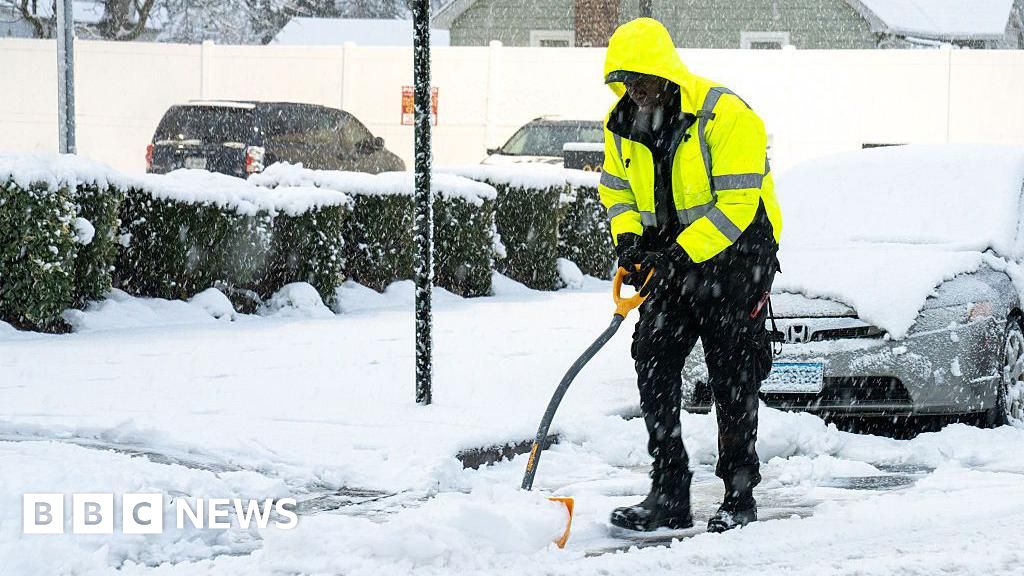
While the most intense phase of the storm began to recede by Saturday morning, the lingering effects continued to pose challenges. Temperatures remained well below freezing across the affected regions, creating treacherous road conditions. The combination of accumulated snow, ice, and sub-zero temperatures made driving hazardous, leading to numerous reports of accidents and spin-outs. State and local authorities worked tirelessly to clear roads and make them safe for travel, but the sheer volume of snow and the persistent cold made this an uphill battle. Many commuters and essential workers faced arduous journeys, and the risk of further disruptions remained high.
In response to the extreme cold, New York State activated its "Code Blue" alert system. This initiative is designed to ensure that vulnerable populations, particularly the homeless, are brought indoors and provided with shelter and warmth during periods of severe weather. The city’s outreach teams worked to connect individuals experiencing homelessness with available resources, aiming to prevent exposure to the dangerous sub-zero temperatures. This humanitarian effort underscores the broader impact of the storm, extending beyond travel disruptions to encompass public health and safety concerns.
Adding to the widespread weather woes, California, on the opposite coast, was simultaneously grappling with the aftermath of its own severe winter storm, described as the worst to hit the southern part of the state in recent memory. This storm brought torrential rain and high winds, leading to widespread flooding and mudslides. Images emerged of cars submerged in rivers of mud, illustrating the destructive power of the weather system on the West Coast. This contrast in weather events across the country highlights the diverse and often extreme meteorological challenges faced by different regions of the United States during the winter season.
The snowfall in New York, while picturesque for some, translated into significant logistical hurdles. Airports, including the major hubs serving the New York metropolitan area like LaGuardia and JFK, experienced substantial operational disruptions. Many flights were grounded, leading to a domino effect of delays and cancellations that rippled through the national air traffic system. Airlines struggled to de-ice planes and clear runways, further exacerbating the delays. Travelers faced uncertainty, with many forced to rebook flights or make alternative travel arrangements, often at considerable inconvenience and expense.

Public transportation systems also felt the strain. While subways and trains generally continued to operate, albeit with potential delays and slower service, bus routes were significantly impacted. Snow accumulation on roads made it difficult for buses to navigate, leading to service suspensions and rerouting in many areas. Commuters who rely on public transit for their daily journeys faced longer travel times and increased uncertainty. The combination of canceled flights and disrupted public transport meant that many residents were effectively stranded or found their mobility severely restricted.
The economic impact of such widespread disruptions is also considerable. Beyond the immediate costs associated with snow removal and emergency response, businesses can suffer from reduced foot traffic and employee absenteeism. The cancellation of events and the interruption of supply chains can also have ripple effects throughout the economy. For individuals, the costs can include unexpected accommodation expenses, rebooking fees, and lost wages.
The NWS had issued winter storm warnings and advisories for much of the Northeast in the days leading up to the event, advising residents to prepare for hazardous conditions. Forecasters had predicted the potential for significant snowfall, and while the exact amounts can vary, the storm largely met or exceeded expectations in many areas. The rapid accumulation of snow, coupled with strong winds in some locations, created whiteout conditions, further reducing visibility and making travel perilous.
The governor’s declaration of a state of emergency provided state agencies with the authority to mobilize resources and personnel to assist with response and recovery efforts. This included deploying the National Guard, coordinating with local emergency services, and providing essential resources to affected communities. The proactive declaration allowed for a more streamlined and efficient response to the unfolding crisis.
As the snow began to taper off, the focus shifted to clearing roads, restoring power where outages occurred (though widespread power outages were not a major feature of this particular storm), and helping stranded travelers. The resilience of New Yorkers was once again on display as residents and emergency responders worked together to navigate the challenges posed by the winter storm. However, the event served as a stark reminder of the power of nature and the importance of preparedness in the face of severe weather. The "New York snowstorm sparks travel chaos" narrative was a fitting summary of the disruptive and far-reaching impact of this significant winter weather event.




 Roy Suryo