
 George Anjay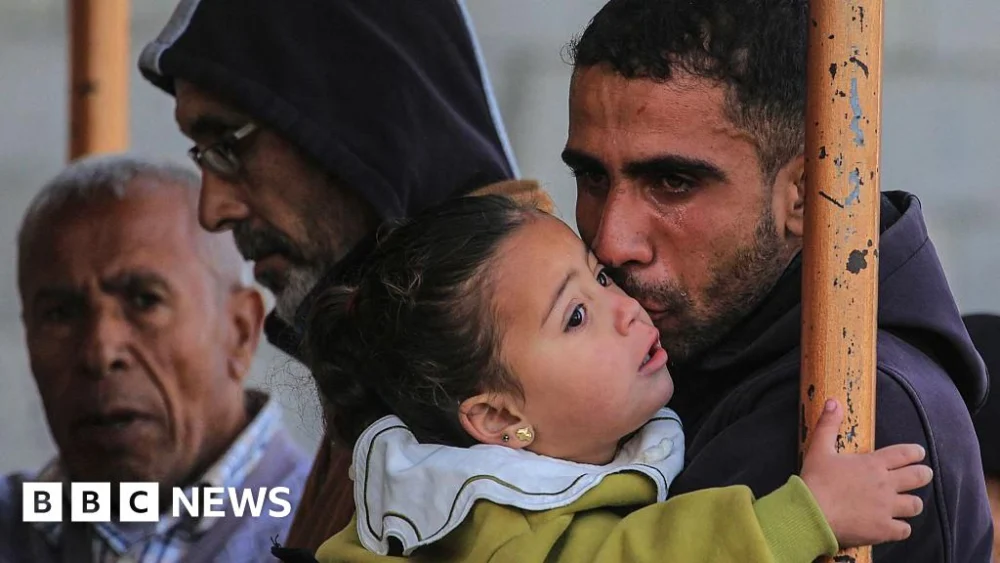
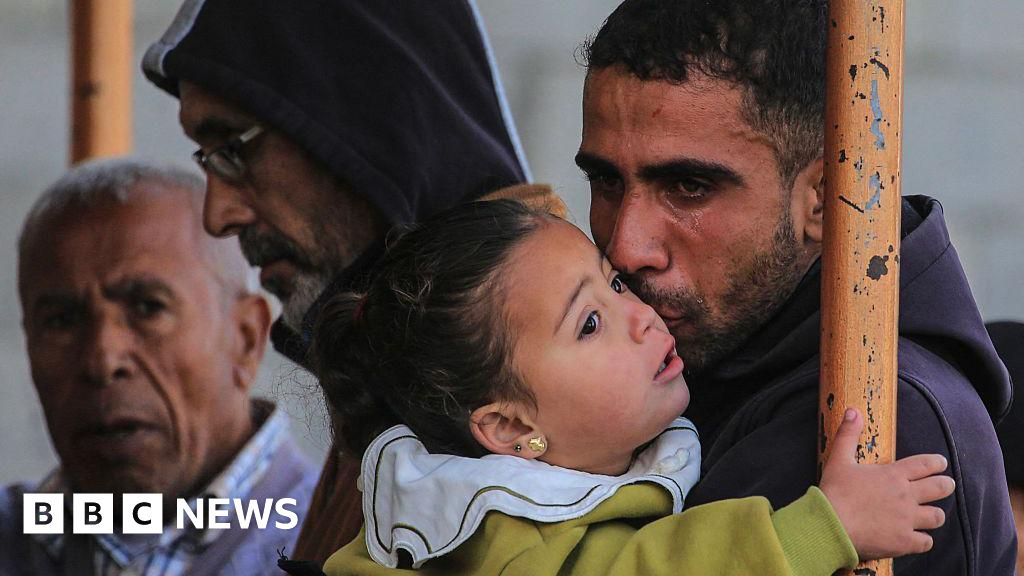
Eleven people were killed in Israeli airstrikes in Gaza on Sunday morning, according to Palestinian civil defence and health officials, escalating tensions in the war-torn territory. The Palestinian Red Crescent reported that a strike on a tent encampment in northern Gaza claimed the lives of at least six individuals, while another strike in the southern part of the strip resulted in five fatalities. The Israel Defense Forces (IDF) stated that their operations targeted "terror targets" in retaliation for what they described as ceasefire violations by Hamas. The IDF further asserted that militants were eliminated after emerging from a tunnel into an area under Israeli military control.
This latest exchange of violence occurs amidst a backdrop of persistent accusations from both Israel and Hamas regarding near-daily breaches of the ceasefire agreement that came into effect on October 10th. Gaza’s Civil Defence confirmed the death toll of 11 from the strikes, while medical staff at Al-Shifa hospital indicated that a 12th person succumbed to injuries sustained in an exchange of gunfire, a separate incident from the aerial bombardments. The Hamas-run Gaza health ministry has reported that at least 600 people have been killed since the ceasefire was initiated.
The renewed strikes coincide with ongoing preparations for the implementation of the second phase of a US-brokered ceasefire agreement. This phase is expected to involve further prisoner exchanges and a potential increase in humanitarian aid to Gaza. Last month, US President Donald Trump announced the formation of a new body, the Board of Peace, which has received a mandate from the United Nations Security Council. This board is tasked with establishing an international force responsible for securing border areas in Gaza and overseeing the disarmament of Hamas. The board, which was scheduled to hold its inaugural meeting in Washington on February 19th, will also be responsible for facilitating the formation of a new technocratic Palestinian government in Gaza and managing post-war reconstruction efforts.
The current conflict was ignited by the Hamas-led attack on southern Israel on October 7th, 2023, which resulted in the deaths of approximately 1,200 people and the taking of 251 others as hostages. In response, Israel launched a comprehensive military campaign in Gaza. According to the territory’s health ministry, this campaign has led to the deaths of over 71,820 people. The humanitarian situation in Gaza has been described as dire, with widespread destruction of infrastructure, displacement of a significant portion of the population, and severe shortages of essential resources such as food, water, and medical supplies. International organizations have repeatedly called for unimpeded humanitarian access to the Gaza Strip and for all parties to adhere to international humanitarian law.
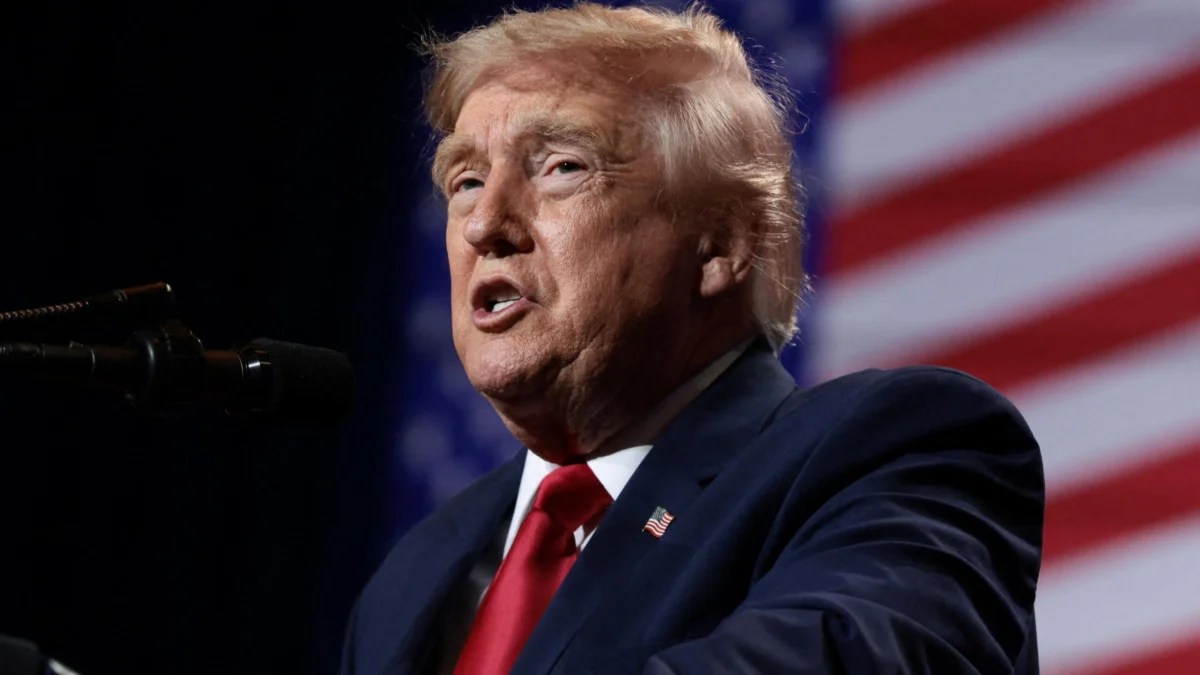
In parallel developments, Israeli Prime Minister Benjamin Netanyahu traveled to Washington earlier this week to meet with US President Donald Trump. The discussions between the two leaders focused on strategies to curb Iran’s nuclear program, a pursuit that Tehran consistently maintains is for purely civilian purposes. Prime Minister Netanyahu was reportedly keen to persuade President Trump to pursue an agreement that would halt Iran’s uranium enrichment activities and curtail its ballistic missile program. However, following their meeting, President Trump indicated that "nothing definitive was reached" and that talks with Iran would continue. This diplomatic engagement underscores the broader regional security concerns that are intertwined with the ongoing conflict in Gaza.
The impact of the conflict extends beyond the immediate casualties and destruction. The economic repercussions for both Israel and Gaza are significant, with considerable resources being diverted to military operations and reconstruction efforts. The psychological toll on the civilian populations on both sides is also profound, with communities grappling with loss, trauma, and uncertainty about the future. The international community remains deeply divided on how to effectively mediate a lasting peace, with ongoing debates about the two-state solution, security guarantees for Israel, and the establishment of a sovereign Palestinian state. The role of regional powers, such as Egypt and Qatar, in facilitating negotiations and de-escalation remains critical.
The humanitarian crisis in Gaza has drawn widespread international condemnation and calls for greater accountability. Reports from various human rights organizations have highlighted alleged violations of international law by both Israeli forces and Hamas militants. The destruction of civilian infrastructure, including hospitals, schools, and residential areas, has been a major point of concern. The long-term consequences of such widespread damage will undoubtedly impact the ability of Gaza to rebuild and for its population to recover. The challenges of addressing the root causes of the conflict, including the ongoing occupation and the blockade of Gaza, remain central to any discussion of a sustainable peace.
The international response to the conflict has been characterized by a mix of condemnation, calls for de-escalation, and efforts to provide humanitarian assistance. United Nations agencies have been on the ground providing essential services, but their operations are often hampered by security concerns and limited access. The United States has played a significant role in mediating ceasefires and providing diplomatic support, while European nations and other international bodies have also voiced concerns and called for adherence to international law. The complexities of the conflict, with its deep historical roots and intertwined political and security dimensions, present a formidable challenge to achieving a lasting resolution. The ongoing cycle of violence and retaliation underscores the urgent need for a comprehensive approach that addresses the underlying grievances and paves the way for a more peaceful future for all parties involved. The fate of the hostages, the humanitarian needs of the Palestinian population, and Israel’s security concerns remain critical elements that any peace process must contend with.



 Roy Suryo

 Nakalama John
 atisusanti
 Ramos Leo
