
 George Anjay
The Strait of Hormuz, a critical chokepoint for global energy supplies, is facing unprecedented disruption amidst the escalating tensions between the United States, Israel, and Iran. BBC Verify’s Ben Chu has meticulously analysed marine traffic data in the region, revealing a significant impact on shipping routes since the outbreak of hostilities. The potential economic fallout from these disruptions is immense, threatening global supply chains and energy markets.

The strategic waterway, through which approximately 30% of the world’s seaborne oil trade passes, has become a focal point of geopolitical manoeuvring. As the conflict intensifies, concerns are mounting over the safety of vessels transiting the strait, leading to increased insurance premiums, rerouting of ships, and a palpable sense of unease among maritime operators. The implications extend far beyond the immediate region, with potential ripple effects on fuel prices and inflation worldwide.

BBC Verify’s investigation, supported by graphics from Sally Nicholls, highlights a discernible pattern of reduced vessel activity and increased caution within the Strait of Hormuz. This data provides a stark visual representation of the real-world consequences of the geopolitical conflict, underscoring the interconnectedness of global trade and regional stability. The analysis aims to provide clarity on the tangible economic ramifications of the ongoing US-Israel war with Iran.
The situation has been exacerbated by a series of incidents and heightened rhetoric from all parties involved. Iran, facing increasing international pressure and sanctions, has repeatedly warned of its ability to disrupt shipping in the Strait of Hormuz as a retaliatory measure. Conversely, the US and its allies have vowed to ensure freedom of navigation and maintain the flow of oil, deploying naval assets to the region to deter any aggression. This stand-off has created a volatile environment for commercial shipping.
Economic analysts are closely monitoring the situation, with projections indicating potential price spikes for crude oil and refined products if the Strait of Hormuz becomes impassable. The cost of shipping insurance has already surged, reflecting the elevated risks associated with navigating the region. This increase in operational costs is inevitably passed on to consumers, contributing to broader inflationary pressures.

Furthermore, the disruptions are not limited to oil shipments. A wide array of manufactured goods and raw materials also traverse the Strait of Hormuz, meaning that any prolonged blockage could have far-reaching consequences for global manufacturing and consumer markets. Businesses reliant on just-in-time inventory management are particularly vulnerable to these supply chain disruptions.
The geopolitical undertones of the conflict add another layer of complexity. The ongoing tensions are deeply rooted in decades of animosity and differing regional ambitions. The US and Israel view Iran’s regional influence and its nuclear program as significant threats, while Iran perceives the presence of US forces and Israeli actions as provocations. This intricate web of political factors fuels the current crisis and makes de-escalation a challenging prospect.
The article is accompanied by several related videos, offering further insights into the unfolding situation in the Middle East. One video features BBC’s John Donnison reporting live from Jerusalem as emergency alerts sounded, illustrating the immediate impact of the conflict on civilian life. Another segment features Lindsay Foreman speaking to the BBC before her jailing in Iran, highlighting the human cost of the geopolitical tensions.

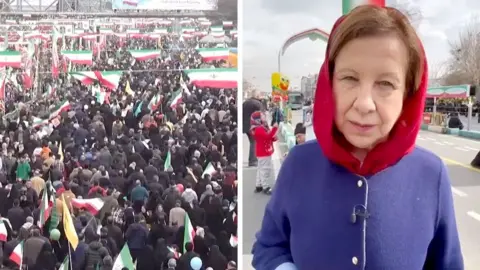
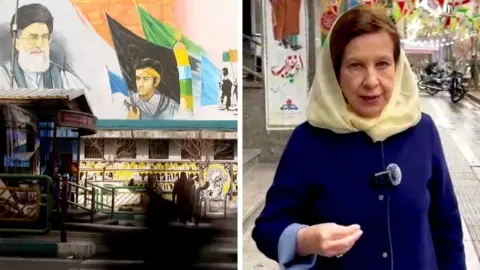
Lyse Doucet’s reports from Tehran provide a ground-level perspective on the government’s response to widespread protests and the lingering pain following the crackdown. Her dispatches offer a nuanced view of the internal dynamics within Iran, which are intrinsically linked to its foreign policy and regional posture.
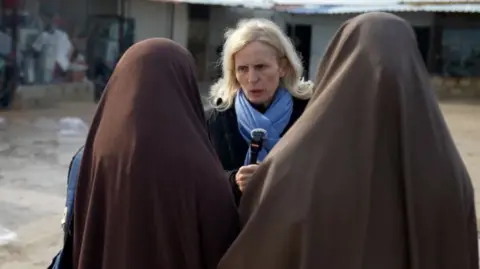
The broader context of the Middle East is further illuminated by reports on the struggles of a Gaza hospital attempting to provide care to newborn babies amidst dire conditions, and the grim reality within a Syrian camp holding wives and children of suspected IS fighters. These stories underscore the humanitarian crises that often accompany geopolitical conflicts and the profound suffering inflicted on civilian populations.
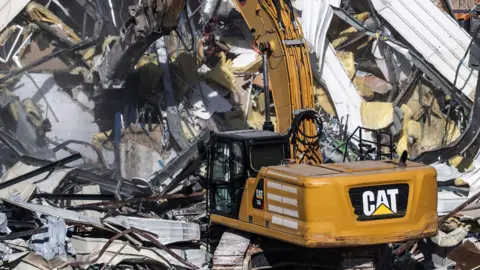
The demolition of a UN compound in East Jerusalem by Israel and the BBC’s coverage of the event highlight ongoing territorial disputes and international law concerns in the region. Reports from the Iranian-Armenian border, detailing anger and frustration amid an internet shutdown, paint a picture of internal dissent and societal unrest.
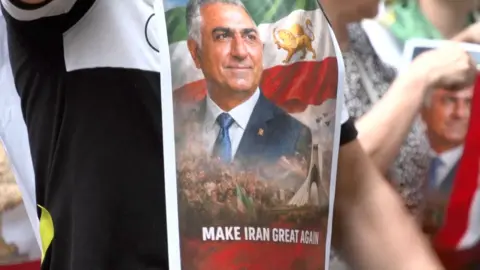
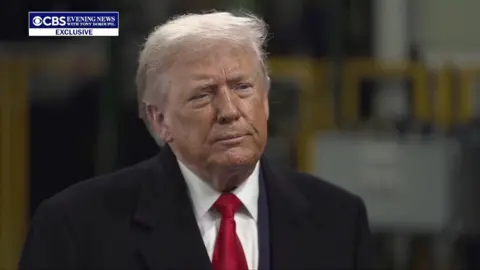
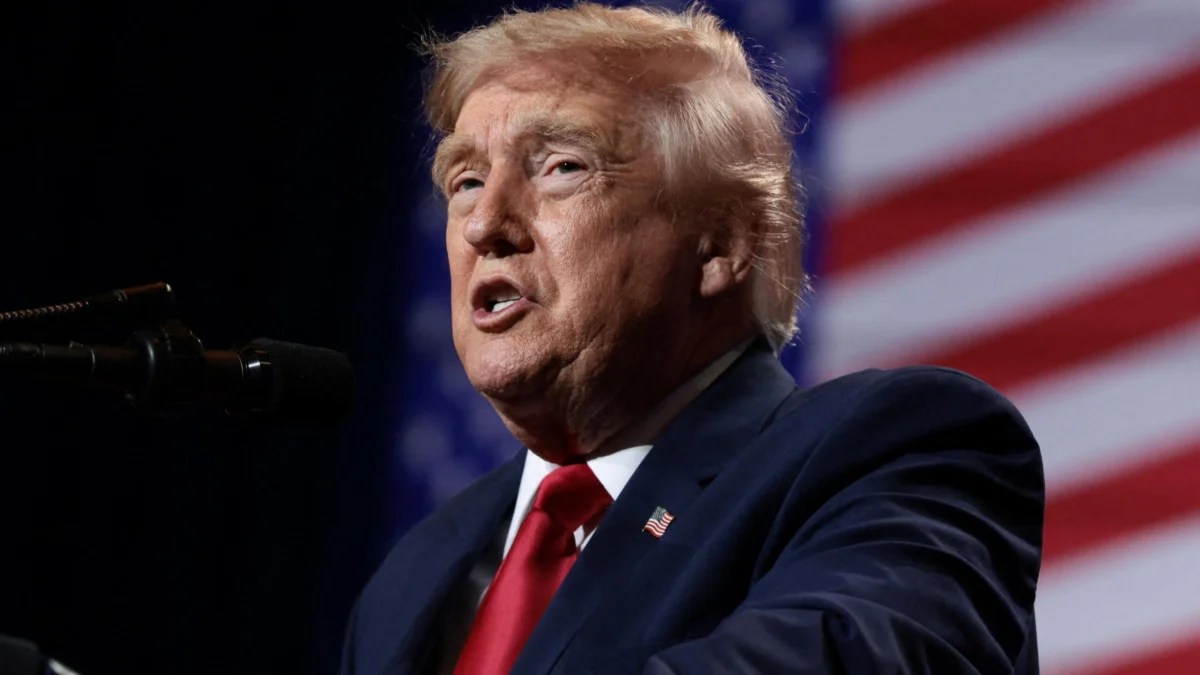
The role of external actors, such as former US President Donald Trump’s vow of "very strong action" if Iran executes protesters, demonstrates the international dimension of the crisis and the complex diplomatic landscape. The article also delves into the identity of Reza Pahlavi, the son of Iran’s last Shah, and his position as a voice calling for protests, showcasing the internal opposition to the current regime.
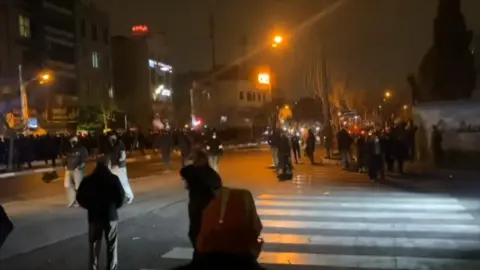
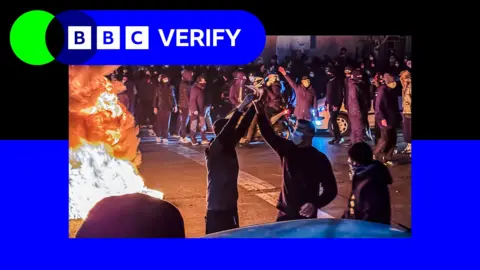
The human toll of the conflict is further emphasized by verified mortuary videos showing the deadly crackdown in Iran, and reports of buildings being set ablaze in Tehran as demonstrations spread. The article also explores the reasons behind the ongoing protests in Iran, which initially erupted over economic issues but have grown into the largest in years.
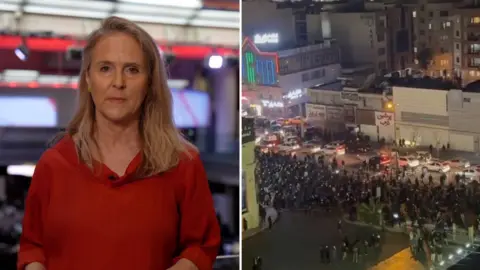
The precarious situation in the Strait of Hormuz is not an isolated event but rather a symptom of a broader, deeply entrenched regional conflict. The economic consequences, though significant, are intertwined with complex political grievances and strategic calculations. The safety of international shipping remains a paramount concern, with the potential for severe global economic repercussions if the situation deteriories further. The continuous flow of goods and energy through this vital artery is essential for global economic stability, making the current tensions a matter of international concern.



 Roy Suryo

 Nakalama John
 atisusanti
 Ramos Leo
