Ramos Leo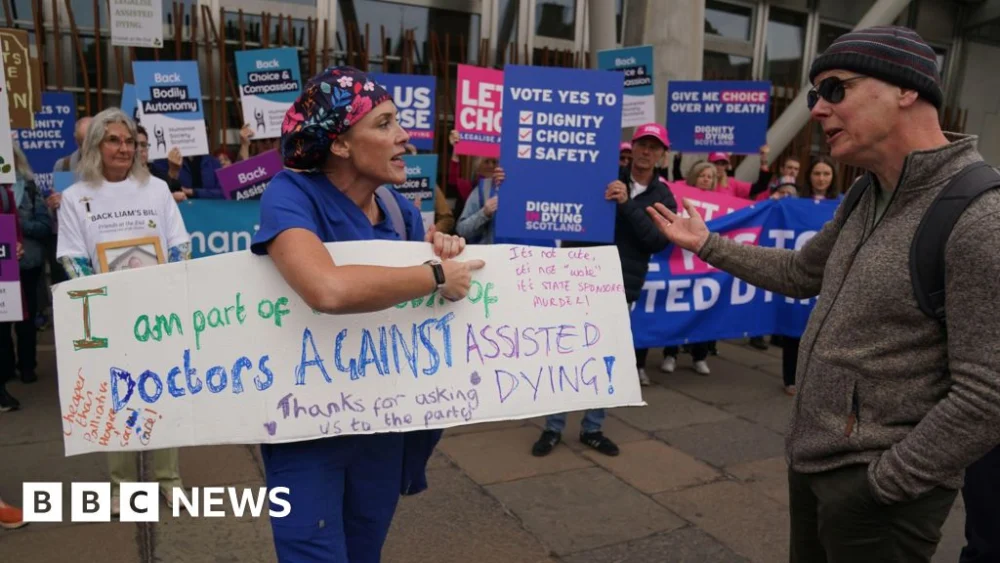
These forthcoming "Stage 2" sessions, commencing on Tuesday, are not merely procedural; they represent a critical juncture where the detailed architecture of the Bill will be scrutinised, refined, and potentially reshaped. The Scottish Parliament has scheduled extended sittings, with debates anticipated to run until 22:00 each day, highlighting the monumental task ahead and the commitment required from MSPs to thoroughly consider every aspect of the proposed legislation. This rigorous process is designed to ensure that if passed, the Bill is robust, compassionate, and adequately addresses the myriad concerns raised by both proponents and opponents.
At its core, the current proposals outlined in Liam McArthur’s Bill stipulate stringent conditions for eligibility. A person seeking assistance to end their life would need to be diagnosed as terminally ill, meaning they have an advanced and progressive disease or condition that cannot be cured and is expected to cause their death. Crucially, two independent medical professionals would be required to confirm this diagnosis and, equally important, to ascertain that the individual possesses full mental capacity to make such a momentous decision. This dual medical assessment is a cornerstone of the Bill, designed to safeguard against misdiagnosis, undue influence, and ensure the person’s choice is genuinely autonomous and well-considered. Furthermore, the Bill initially sought to allow individuals aged 16 and over to access assisted dying, but this was subsequently amended during its passage, raising the minimum age to 18, reflecting concerns about the maturity and decision-making capacity of younger individuals in such profound circumstances. Additionally, to prevent "suicide tourism" and ensure a genuine connection to Scotland’s healthcare system, eligible individuals must have been resident in Scotland for at least 12 months and be registered with a Scottish GP.
Despite these proposed safeguards, the Bill has faced considerable opposition, primarily centred on concerns over the protection of vulnerable individuals and the potential for coercion. Opponents argue that even with multiple medical assessments, it remains challenging to definitively rule out subtle forms of pressure, especially on those who are terminally ill, elderly, or living with disabilities. There are fears that individuals might come to perceive themselves as a "burden" on their families or the healthcare system, leading them to feel subtly compelled to choose assisted dying rather than receiving continued care and support. This perspective was echoed by First Minister John Swinney, who voiced his concern that "vulnerable people in our society" might feel "under pressure to end their lives prematurely." Similarly, Scottish Labour leader Anas Sarwar has declared his intention to vote against the Bill, while Scottish Conservative leader Russell Findlay, who initially supported the Bill at Stage One, confirmed on Monday that he would not vote for it at this final stage, indicating a shift in his position likely influenced by the ongoing debate surrounding safeguards.
Critics also raise questions about the adequacy of palliative care provision in Scotland. They contend that rather than introducing assisted dying, efforts should be intensified to ensure universal access to high-quality palliative care, which focuses on pain management, comfort, and emotional support, allowing individuals to live their final days with dignity without feeling the need to hasten their death. For many, the debate over assisted dying is intrinsically linked to the broader discussion of societal values regarding life, death, and the role of medicine.
Liam McArthur, however, remains a steadfast advocate for the legislation, urging his parliamentary colleagues to seize this opportunity for compassionate reform. He contends that the Bill has already undergone an exhaustive five years of scrutiny, encompassing extensive public consultations, stakeholder engagement, and a comprehensive parliamentary process, including committee stages where expert evidence was heard from a wide array of perspectives – medical professionals, ethicists, legal experts, patient advocacy groups, and individuals with lived experience. McArthur highlights the "record levels of public consultation and engagement," indicating a significant public interest and a thorough democratic process that has shaped the Bill to its current form. He passionately argues that "this is the right Bill at the right time," emphasising the need to offer terminally ill Scots a "compassionate choice" to alleviate unbearable suffering. McArthur’s message to MSPs is clear: they "must not hunt for excuses as this issue is certainly not going away," underscoring his belief in the moral imperative and the growing public demand for such legislation.
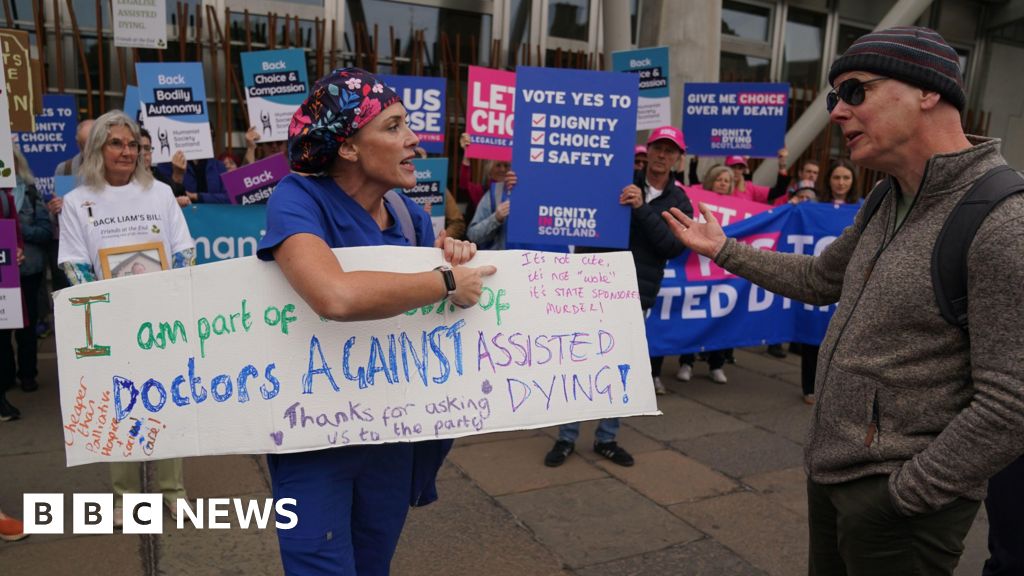
The visibility of this debate has been consistently high, with supporters and opponents of the Bill regularly gathering outside the Scottish Parliament at each stage of its legislative journey. These demonstrations, captured by media outlets, serve as a stark visual representation of the deeply held convictions on both sides, transforming the abstract legal debate into a palpable public conversation about life and death.
The decision for MSPs to be allowed a free vote on this issue is highly significant. Unlike most parliamentary votes where party whips direct members to vote along party lines, a free vote permits individual MSPs to vote according to their conscience, moral beliefs, or the specific views of their constituents, rather than adhering to a party position. This approach is typically reserved for matters of profound ethical and moral import, such as abortion, capital punishment, or, in this case, assisted dying. It acknowledges the deeply personal and often conflicting nature of the issue, allowing for a more genuine reflection of individual MSPs’ perspectives and potentially leading to a more unpredictable outcome.
Scotland’s consideration of this Bill also places it within a growing international context. Various forms of assisted dying are already legal in several countries and jurisdictions worldwide, including Australia (in several states), Canada, New Zealand, Belgium, the Netherlands, Luxembourg, and certain states in the United States like Oregon. While the specific legal frameworks and eligibility criteria vary considerably across these regions – some permitting euthanasia, others focusing solely on medically assisted suicide, and all with differing residency and medical requirements – their experiences offer valuable precedents and insights for Scotland. The fact that similar legislation was "backed by MPs in 2024" in the UK House of Commons, but has since made "slow progress," further highlights the challenges of navigating such complex moral terrain at a national level. Scotland, by advancing this Bill, is positioning itself at the forefront of this global discussion, potentially becoming the first part of the UK to legalise assisted dying, marking a significant shift in its legal and ethical landscape. The outcome of these final amendment sessions and the subsequent vote will not only shape the future for terminally ill Scots but will also send a powerful message across the UK and beyond, contributing to the ongoing international dialogue on end-of-life choices.


 Roy Suryo
 Nakalama John
 atisusanti