
 George Anjay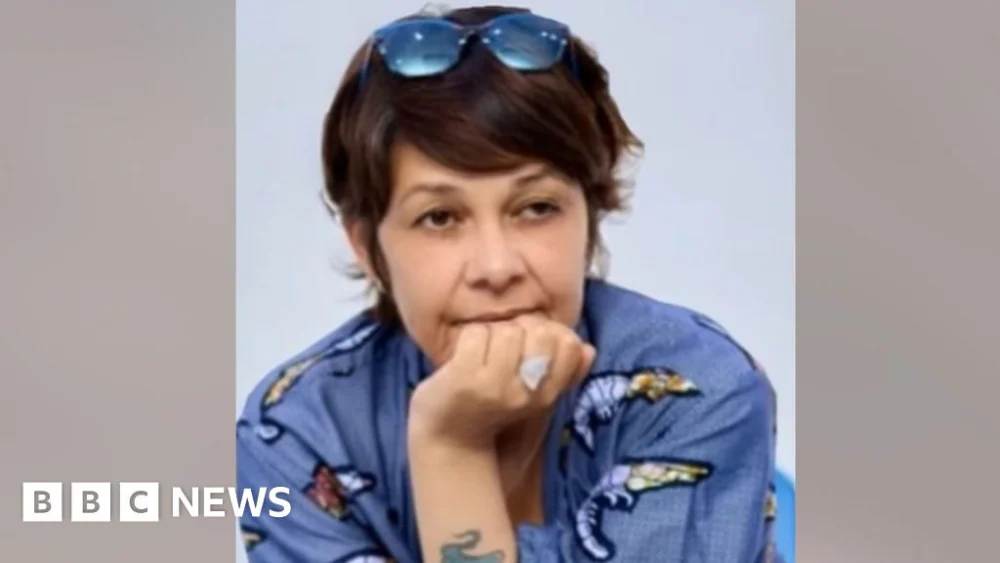
French President Emmanuel Macron has confirmed the death of Karine Buisset, a French national working for the United Nations in the Democratic Republic of Congo, following reports of drone strikes that hit the eastern city of Goma early Wednesday morning. The attack, which also claimed the lives of two other individuals whose identities remain undisclosed, has intensified concerns over the escalating violence in the region and the perilous conditions faced by humanitarian workers. Witnesses described hearing the distinct sound of drones followed by a series of explosions that struck Lake Kivu and a two-storey residential building known to be frequented by expatriates and aid workers in the rebel-held city.
UNICEF, where Buisset was employed, expressed profound grief and outrage at her death, hailing her as "a dedicated humanitarian who worked tirelessly to support children and families affected by conflict and crisis." The head of the UN mission in DR Congo, Bruno Lemarquis, strongly condemned the attack, stating, "I condemn in the strongest terms the use of weapons, including armed drones that endanger civilian populations and United Nations personnel." His statement underscored the growing threat posed by the weaponization of drones in the protracted conflict.
The city of Goma, the capital of North Kivu province, has been under the control of M23 rebels since early last year. This rebel group has been a significant destabilizing force in the mineral-rich eastern DR Congo since 2021, carving out vast swathes of territory despite numerous ceasefires that have consistently failed to hold. The recent surge in attacks and fighting, as analyzed by Ladd Serwat, Africa senior analyst at conflict-monitoring group Acled, represents the most serious threat to Goma since its fall to the rebels and may signal a renewed offensive by the Congolese military to reclaim lost territories in North Kivu.
The dynamics of aerial warfare in the region are complex and involve multiple actors. The DR Congo army, operating from bases hundreds of kilometers away from Goma, frequently conducts long-range drone strikes targeting M23 positions. Conversely, security sources indicate that the M23 rebels themselves are also deploying explosive drones on the front lines, blurring the lines of accountability and increasing the risk to civilians caught in the crossfire.
Graphic images and videos circulating on social media platforms on Wednesday depicted the devastating aftermath of the strikes. Flames were seen engulfing the targeted building, with thick plumes of smoke rising into the night sky as residents frantically navigated through the debris. The visual evidence captured the extent of the damage, revealing a building with its roof partially torn away, walls pockmarked by shrapnel, and windows shattered.
Residents of Goma recounted harrowing experiences, describing the terrifying sound of bomb blasts and the ominous buzzing of drones echoing through their neighborhoods, instilling widespread panic. One resident, speaking to the BBC, recalled hearing a detonation around 4:00 AM in the Katindo neighborhood, initially unaware of the catastrophic events unfolding. An aid worker with close ties to the affected residence shared with AFP news agency the chilling experience of hearing a drone’s hum immediately preceding a powerful explosion that tore a significant hole in the building’s roof.
First responders, including firefighters, UN personnel, and M23 officials, were observed at the scene on Wednesday morning, working amidst the wreckage. The targeted private residence was reportedly situated near the former home of Joseph Kabila, the ex-President of DR Congo. Kabila himself faces a death sentence for treason, stemming from accusations of supporting the rebels, charges he vehemently denies.
In the immediate aftermath, M23 rebels pointed fingers at the government, labeling the attack a "terrorist act." Lawrence Kanyuka, a spokesperson for the Congo River Alliance (AFC), an umbrella group that includes the M23, condemned the incident as a deliberate assault on a densely populated urban area. However, the Congolese army has officially denied any involvement in the strikes.
The deadly drone strikes occur against a backdrop of the increasingly pervasive use of drones in the DR Congo’s protracted conflict. This ongoing warfare has resulted in the displacement of millions of people and has drawn in neighboring regional powers, further complicating the geopolitical landscape. The United Nations and various Western nations have repeatedly accused Rwanda of providing support to the M23 rebel group, allegations that Rwanda consistently refutes.
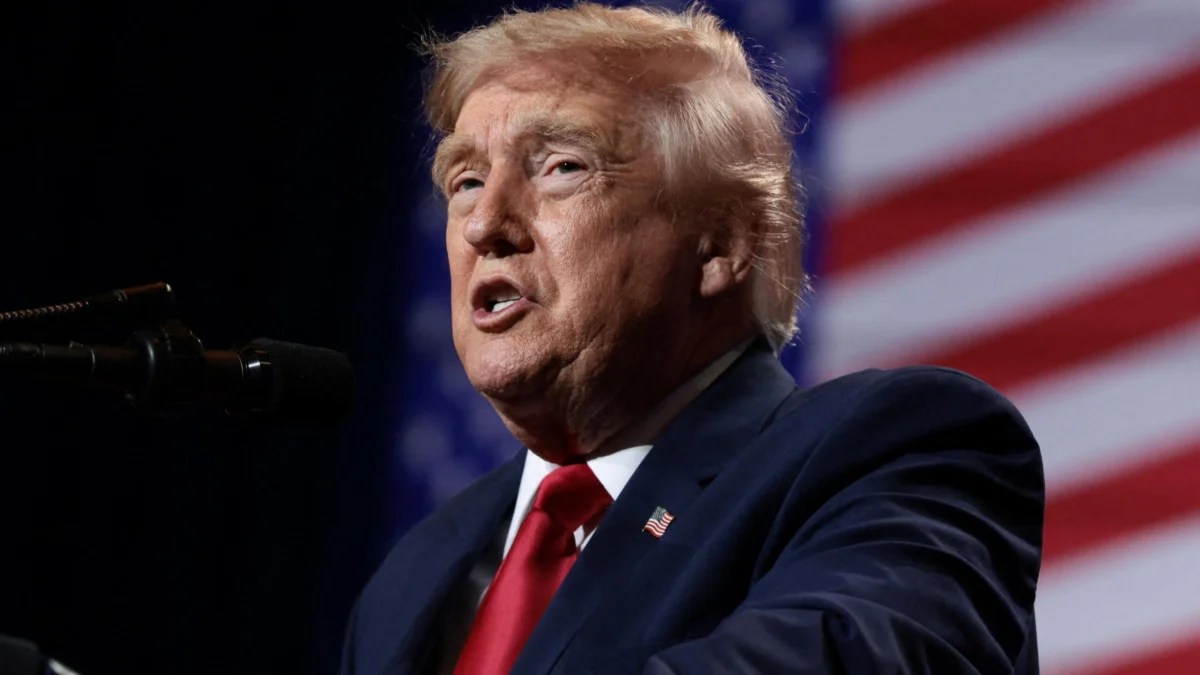
This incident follows closely on the heels of another significant development in the conflict: the death of prominent M23 spokesman Willy Ngoma last month, reportedly in a strike near the mining town of Rubaya. The continued fighting and loss of life underscore the fragility of peace efforts in the region. This is particularly concerning given that a peace deal was signed by Rwanda and DR Congo in early December, a move strongly advocated for by then-US President Donald Trump, representing the latest in a long series of attempts to resolve the deeply entrenched conflict.
The international community continues to monitor the dire situation in the DR Congo with grave concern, emphasizing the urgent need for de-escalation and a sustained commitment to peace. The loss of humanitarian aid workers like Karine Buisset highlights the immense personal cost of this conflict and the critical importance of ensuring the safety and security of those dedicated to providing essential assistance to vulnerable populations in one of the world’s most challenging humanitarian environments. The expanded use of advanced weaponry, such as weaponized drones, by all parties involved signals a dangerous escalation that risks further civilian casualties and prolonged instability.
The ongoing conflict in the Democratic Republic of Congo is rooted in a complex interplay of ethnic tensions, competition for vast natural resources, and political instability. The M23 rebellion, which re-emerged in late 2021, is one of the most prominent armed groups operating in the eastern part of the country. Its resurgence has been a major catalyst for the renewed wave of violence that has displaced millions and created a severe humanitarian crisis. The group’s stated goals often revolve around the protection of Congolese Tutsis, a minority ethnic group, and it accuses the government of failing to uphold previous peace accords.
The involvement of regional powers, particularly Rwanda, is a contentious and deeply significant aspect of the conflict. For years, the UN, the United States, and several European nations have accused Rwanda of supporting the M23 rebels with troops and weaponry. These accusations are based on intelligence reports and findings from UN experts. Rwanda has consistently denied these allegations, often citing its own security concerns related to the presence of Rwandan Hutu extremist groups, such as the FDLR (Democratic Forces for the Liberation of Rwanda), operating within the DRC. The DRC government, in turn, has been accused of collaborating with these same groups, further complicating the regional security dynamic.
The economic dimension of the conflict cannot be overstated. The eastern DR Congo is incredibly rich in minerals, including coltan, gold, and diamonds. Control over these resources is a major driver of the fighting, as various armed groups, government forces, and potentially external actors seek to profit from their exploitation. This illicit trade in minerals often fuels the conflict, providing financial resources for rebel groups and perpetuating cycles of violence.
The humanitarian consequences of this protracted conflict are catastrophic. Millions of people have been displaced from their homes, living in precarious conditions in internally displaced persons (IDP) camps or as refugees in neighboring countries. Access to basic necessities such as food, water, and healthcare is severely limited for many, and the region faces widespread insecurity, including widespread sexual violence, which has been used as a weapon of war. Humanitarian organizations, like the one Karine Buisset worked for, are on the front lines, striving to provide life-saving assistance amidst extreme danger.
The strategic importance of Goma cannot be ignored. As the capital of North Kivu province, it serves as a vital economic and administrative hub. Its capture by the M23 rebels has had significant implications for regional stability and has allowed the group to exert greater influence and control over territory and resources. The recent drone strikes targeting the city indicate a potential shift in military strategy, with both the Congolese army and rebel groups employing more advanced and potentially indiscriminate weaponry.
The international response to the crisis has been multifaceted, involving diplomatic efforts, peacekeeping missions, and humanitarian aid. The UN peacekeeping mission in the DRC, MONUSCO, has been working to protect civilians and support the Congolese authorities, but its effectiveness has often been hampered by the scale of the conflict and the complexities of the political landscape. International sanctions have been imposed on individuals and entities involved in fueling the violence, but enforcement and impact remain subjects of debate. The persistent failure to achieve a lasting peace underscores the deep-seated nature of the conflict and the challenges of addressing its myriad causes.
The death of Karine Buisset serves as a stark reminder of the profound risks faced by those working to alleviate suffering in conflict zones. It also highlights the urgent need for accountability for those who perpetrate such attacks and for renewed international efforts to find a sustainable resolution to the ongoing crisis in the Democratic Republic of Congo. The escalating use of drones in warfare also raises critical questions about international humanitarian law and the protection of civilians in contemporary conflicts.
Additional reporting by Emery Makumeno in Kinshasa.



 Roy Suryo

 Nakalama John
 atisusanti
 Ramos Leo
