
 George Anjay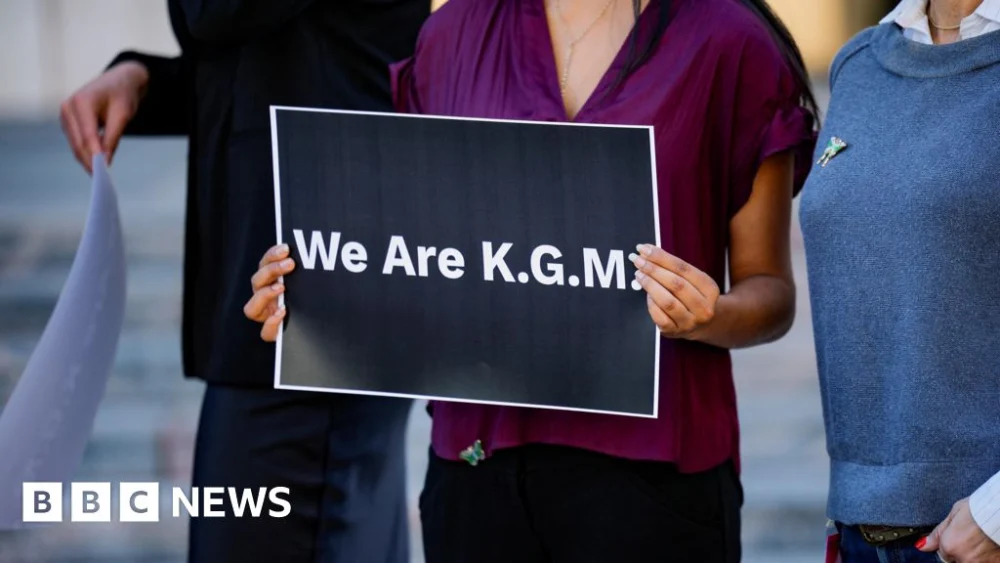
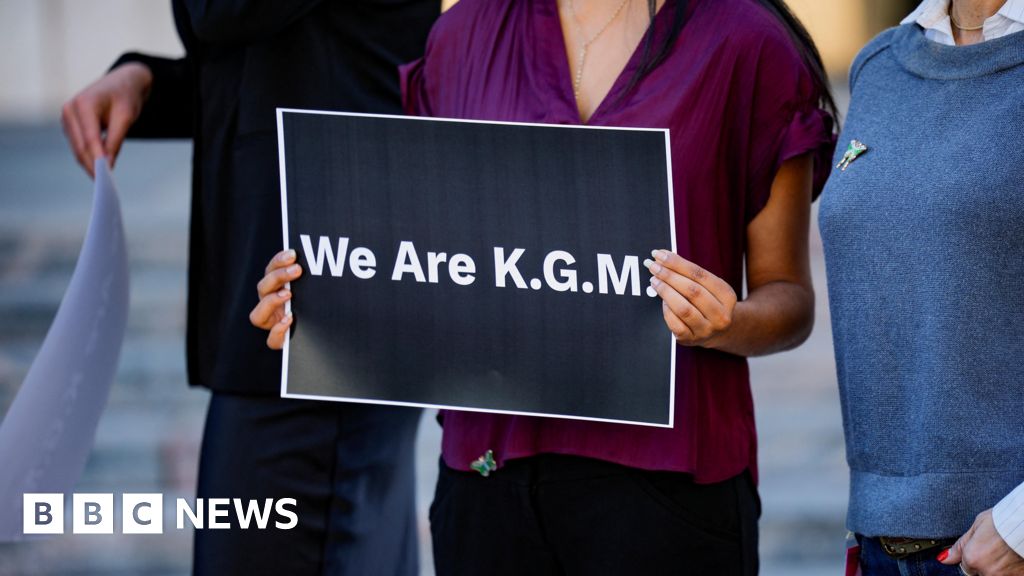
In a landmark trial that could redefine the accountability of social media giants, a jury in Los Angeles is poised to decide whether Meta, the parent company of Instagram, bears responsibility for the profound mental health struggles of a young user, identified only as Kaley. Her story, characterized by an obsessive engagement with the platform—spending up to 16 hours a day scrolling, waking in the night to check notifications, and opening the app immediately upon waking—has become a pivotal test case for over 2,000 similar lawsuits alleging harm to the mental well-being of underage users. While TikTok and Snapchat have already settled out of court in Kaley’s original suit, the proceedings against Meta and Google remain, drawing intense scrutiny from legal experts and parents grappling with the devastating consequences of social media on their children.
Lori Schott, whose daughter Annalee tragically took her own life at 18, has been a dedicated observer of the trial, despite having no direct involvement. Schott firmly attributes her daughter’s death to the psychologically damaging content to which Instagram allegedly exposed her, despite the platform’s purported awareness of its potential impact on young minds. "They hid the research. They knew that it was addictive. They gave us a false sense of security," Schott shared with the BBC, conveying her insights from the courtroom. "Their public relations team just seemed to try and convince us that the world was all lollipops and unicorns." This sentiment underscores a central theme of the trial: the alleged deliberate design of social media platforms to foster addiction and the subsequent concealment of this knowledge from the public and regulatory bodies.
The core of the legal battle hinges on whether Kaley’s relationship with social media can be classified as an addiction and, crucially, whether Meta and Google intentionally engineered their platforms to be addictive. If the jury finds this to be true, they will then determine the extent of financial recompense owed to young individuals like Kaley who have allegedly suffered harm as a result of these design choices. The stakes are exceptionally high for Meta and Google, as many of the legal arguments—particularly the assertion that social media platforms are intentionally addictive for young users—are unprecedented.
Judge Carolyn Kuhl has repeatedly emphasized the novel nature of the legal issues presented throughout the five-week trial. The potential ramifications are so significant that Mark Zuckerberg, the co-founder and CEO of Meta, personally appeared in court to defend his company’s platforms. This marked the first instance of Zuckerberg providing such testimony, despite Meta facing hundreds of lawsuits previously. A verdict in favor of Kaley would challenge long-standing legal and cultural precedents that have largely viewed online platforms as neutral conduits of user behavior. Furthermore, such a ruling could pave the way for substantial financial settlements from tech giants like Meta, influencing the thousands of similar cases currently working their way through the U.S. legal system.
Beyond the courtroom, public and political pressure against major tech companies has been mounting. Critics argue that these platforms expose children to a range of dangers, from unattainable beauty standards to online predators. Aaron Ping, whose son Avery died by suicide at 16, has also been closely following the trial. He described his son’s transformation from an "adventure companion" to a teenager frequently at odds with his parents over his YouTube usage. Ping recounted efforts to manage his son’s screen time through agreements with school counselors, highlighting the pervasive struggle parents face in regulating their children’s digital lives. Meta and YouTube did not provide comment regarding the experiences of Schott and Ping.
Kaley testified that her immersion in social media began at a tender age, starting with YouTube at six and Instagram at nine. Meta states it prohibits users under 13 from its platforms, while YouTube offers specific versions like YouTube Kids for younger audiences. Kaley, however, quickly created numerous accounts on both platforms, driven by a desire for likes and validation through her selfies on Instagram and singing videos on YouTube. This pursuit of external affirmation led to a withdrawal from family interactions and a diminished engagement with the offline world.
By the age of 10, Kaley began experiencing anxiety and depression, conditions for which she would later be diagnosed. Her use of Instagram also coincided with an obsession with her physical appearance, leading her to utilize filters that altered her features—making her nose appear smaller, her eyes larger, and adding makeup—almost immediately after joining the platform. Kaley has since been diagnosed with body dysmorphia, a condition characterized by excessive preoccupation with perceived flaws in one’s appearance. When questioned by her lawyer, Mark Lanier, about whether she experienced such feelings prior to social media use, Kaley unequivocally stated, "No, I didn’t."
Meta, however, contends that Kaley’s mental health challenges are rooted in her personal life and upbringing, not her use of Instagram. Adam Mosseri, the head of Instagram, testified that even 16 hours of daily usage did not strike him as indicative of addiction, instead labeling it "problematic." Mark Zuckerberg, escorted into the courthouse by security, repeatedly asserted Meta’s policy against users under 13, despite internal documents presented as evidence that discussed and even aimed to grow usage among children. When pressed, Zuckerberg expressed frustration, stating, "I don’t see why this is so complicated. It’s been our consistent policy that they’re not allowed and we try to remove them. We’re not perfect."
Kaley’s legal team challenged Zuckerberg’s assertion that Meta’s sole objective was to create useful platforms, arguing that addiction also drives increased usage. Zuckerberg’s response, "I don’t know what to say to that. I think that may be true, but I don’t know if that applies. I’m trying to build a service here," reflected a moment of apparent discomposure. The argument of social media addiction, while central to Kaley’s case, faces a hurdle as the condition is not officially recognized. A therapist who treated Kaley admitted under oath that she had never diagnosed her with social media addiction.
Meta’s defense largely focused on Kaley’s home environment, referencing her own Instagram posts to portray a background of parental instability, criticism of her appearance, and instances of emotional, verbal, and physical abuse. The company’s central question to the jury is whether Kaley’s mental health issues were definitively caused by her social media use, or if other factors played a more significant role, invoking the legal principle of "but for" causation.
Today, Kaley reports a loving relationship with her mother and is pursuing education while working. Her relationship with social media continues; she even expressed interest in a career in social media management. Yet, when asked if her life would be better without platforms like Instagram, her answer was simple and poignant. Katy Bailes, Peter Bowes, and Regan Morris contributed to this report.



 Nakalama John
 atisusanti
 Ramos Leo
 Roy Suryo
 Nana Banana