Nakalama John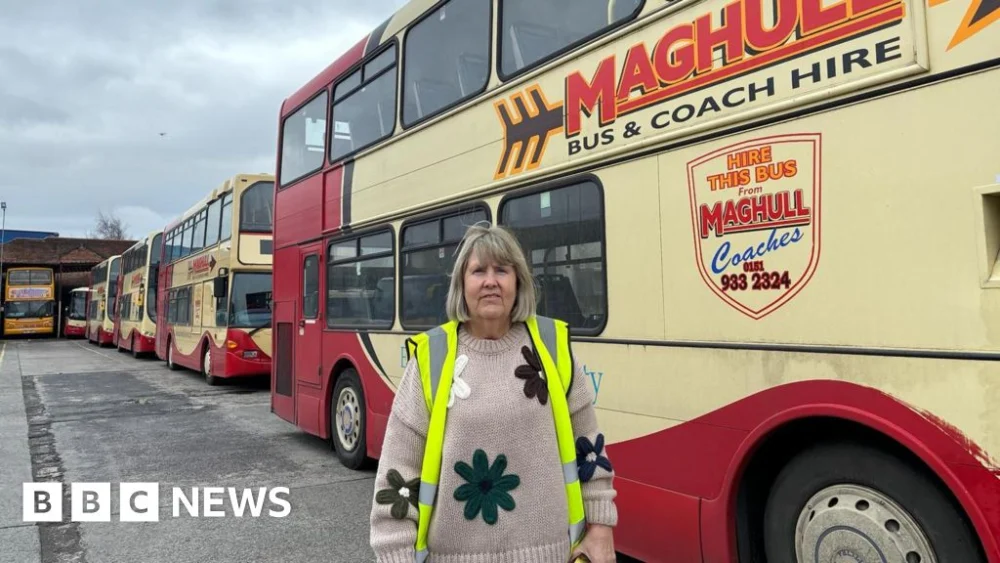
A tumultuous surge in global oil prices, directly linked to escalating tensions and military action in Iran, is pushing businesses across the United Kingdom to the brink, with transport operators particularly vulnerable. For Ann Meek, director of Maghull Coaches in Merseyside, the current climate evokes a sense of weary resignation: "Last year it was national insurance, now it’s the fuel and you get to a point where you think how long can we keep this going for." Her statement encapsulates the mounting pressure on small and medium-sized enterprises (SMEs) grappling with a relentless onslaught of rising operational costs, threatening their very existence.
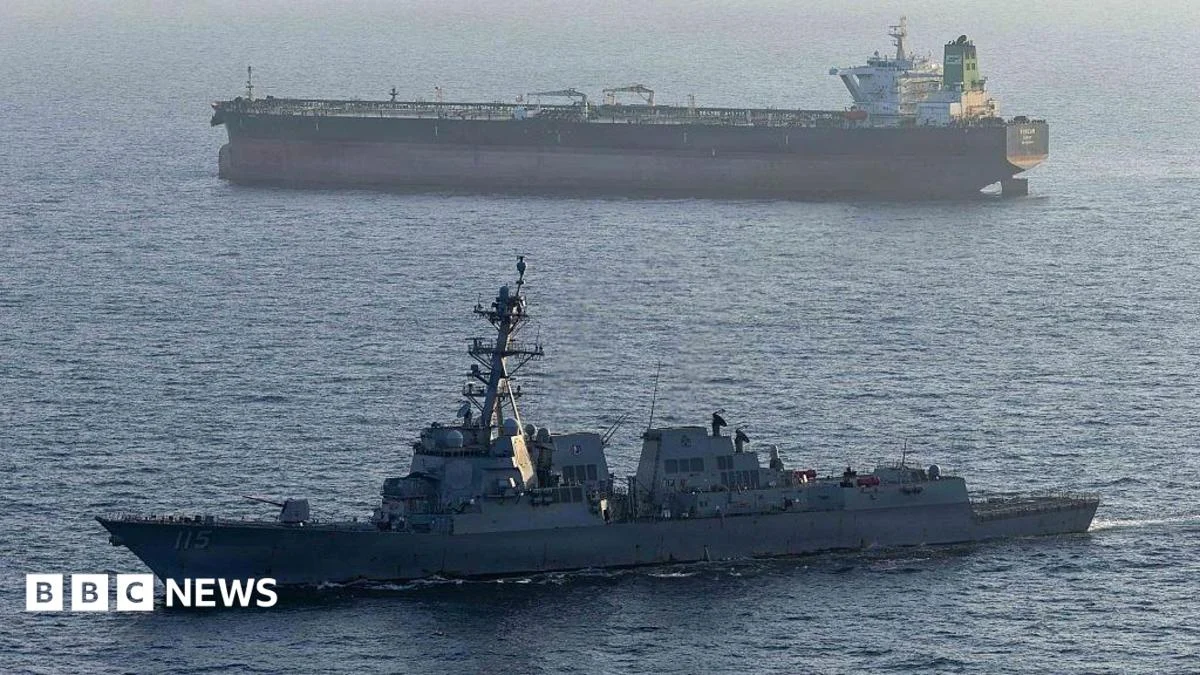
The immediate catalyst for this latest economic shockwave was a series of air-strikes launched by the US and Israel on the Iranian capital, Tehran, on February 28. This geopolitical development instantly sent tremors through international energy markets. Iran, a significant oil producer and a nation strategically positioned near crucial shipping lanes like the Strait of Hormuz, holds immense sway over global crude oil supplies. Any perceived threat to its stability or its ability to export oil, or even broader instability in the Middle East, triggers a swift and often dramatic reaction in futures markets. Following the strikes, the price of benchmark crude oil, such as Brent, rocketed, translating almost immediately into sharp, punishing increases at petrol and diesel pumps across the world, including the UK.
For Maghull Coaches, a cherished family-run enterprise established around 1970, these price hikes represent more than just an inconvenience; they are an existential threat. Located in Merseyside, the company has built its reputation over decades, providing essential transport services, from school contracts to popular tourist routes like the City Explorer open-top bus tours and the iconic Beatles Tour. These operations are inherently fuel-intensive, making the business exceptionally susceptible to even marginal increases in pump prices.
Ann Meek meticulously tracks her company’s expenditures, and the data paints a stark picture. "The prices, I was looking, since this time last month, they’ve probably gone up about 9p or 10p a litre," she noted. This seemingly modest increment translates into a substantial financial burden for a fleet of large vehicles that consume fuel at an alarming rate. With some of their biggest coaches achieving only "about seven or eight miles a gallon," every penny added to a litre of diesel has a magnified impact. To put this into perspective, a large coach with a 200-litre tank would see an immediate extra cost of £18-£20 just to fill up. Considering such vehicles might be refilled daily or every other day, the cumulative weekly and monthly costs skyrocket, eroding already thin profit margins. For a business operating multiple such vehicles, the additional thousands of pounds spent annually on fuel can be the difference between profit and loss.
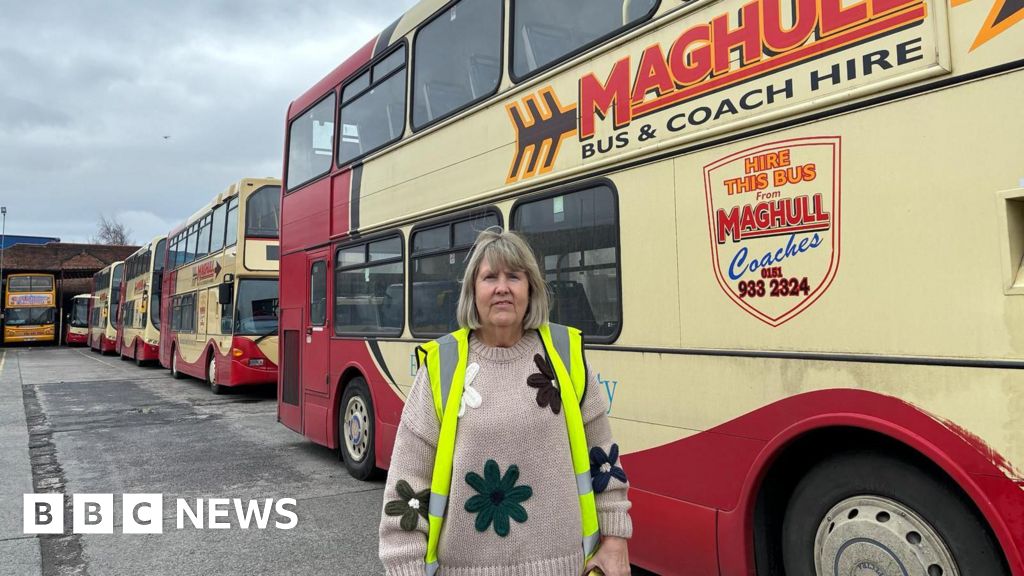
The nature of Maghull Coaches’ business model further exacerbates the challenge. Many of their key contracts, particularly for school runs and seasonal tourist tours, are agreed upon and priced at the beginning of the season, well in advance of the recent fuel price volatility. This means the company is largely locked into pre-determined revenue streams, unable to easily adjust prices mid-contract to offset the sudden and significant increase in their primary operational cost. Attempting to renegotiate these agreements can be a "very tricky conversation," as Meek highlighted, especially with clients who themselves face budget constraints.
"Everything the government seems to do, you’re going to have to put your prices up, and your staff want more money, but you get to a stage where you can’t charge enough, really, to cover everything," Meek elaborated, pointing to a broader economic environment where businesses are squeezed from multiple directions. Beyond fuel, rising inflation impacts everything from vehicle maintenance to insurance premiums, while the ongoing cost of living crisis fuels legitimate demands for higher wages from staff. The transport industry, particularly sectors like coach and taxi services, is characterized by intense competition and notoriously tight margins. Meek acknowledged this reality, stating, "This industry is very, very tight, especially the type of work we do, because we’re aware that most of our customers are on a limited budget anyway." This delicate balance means that simply passing on all increased costs to customers is not a viable strategy, risking a loss of business to competitors or making essential services unaffordable for the public.
‘Shared obligation’
The struggles of Maghull Coaches are mirrored across the transport sector. Cab driver Arthur Grimes articulated a widespread frustration shared by his colleagues and motorists nationwide. "It goes up like a rock, it comes down like a feather," he quipped, echoing a common sentiment that fuel prices react quickly to international events with sharp increases but are slow to fall when crude oil prices ease. Grimes also challenged prevailing market dynamics, arguing, "Diesel should be cheaper than petrol, anyway, because it’s easier to refine." While the refining process for diesel can be simpler, market forces, including demand, supply, and taxation, often dictate otherwise, leading to prices that frequently exceed petrol. He broadly described the fuel market as a "rip off," reflecting a deep-seated public distrust regarding pricing transparency and fairness.
These frustrations have not gone unnoticed by policymakers. The Petrol Retailers Association (PRA), the industry body representing independent forecourts, had a contentious meeting with ministers at Number 11 Downing Street. The PRA had, at one point, threatened to cancel the meeting altogether, citing "inflammatory language" from politicians – a clear indication of the strained relationship and accusations, likely related to profiteering or failing to adequately support motorists, being levelled at retailers.

During the meeting, Chancellor Rachel Reeves delivered a firm message, reminding retailers of their "shared obligation" to keep prices down for motorists. This sentiment was reinforced by Energy Secretary Ed Miliband, who issued a stern warning: "We won’t tolerate unfair practices either here or anywhere else in the industry." Such statements underscore the government’s concern over the economic fallout of high fuel prices and its desire to be seen taking action, potentially hinting at increased regulatory scrutiny or even intervention if prices are perceived to be unfairly inflated.
Following the discussions, Gordon Balmer, of the PRA, offered a more conciliatory tone, stating: "We engaged in constructive discussion with the government on this, and we are working collaboratively with them." While this indicates a de-escalation of immediate tensions, the specifics of any agreements or proposed measures to alleviate the burden on motorists and businesses remain to be seen. Potential outcomes could include discussions around fuel duty, mechanisms for greater price transparency, or initiatives to support struggling transport firms.
The broader implications of the Iran conflict and subsequent fuel price hikes extend far beyond individual businesses. Sustained high fuel costs contribute directly to inflation across the economy, impacting the price of goods and services as transport becomes more expensive for all industries. This, in turn, further squeezes household budgets, reducing discretionary spending and potentially slowing economic growth. For the government, the challenge is multifaceted: how to support businesses without overly burdening the public purse, how to ensure fair pricing in the fuel market, and how to navigate the unpredictable landscape of international geopolitics.
For businesses like Maghull Coaches, the immediate future remains precarious. Without significant relief or a reversal in global oil price trends, the cumulative effect of rising costs could force difficult decisions, from reducing services to potential job losses, or even the unthinkable prospect of closure. Ann Meek’s poignant question – "how long can we keep this going for?" – resonates as a stark reminder of the fragile balance many firms maintain, a balance now severely threatened by forces far beyond their control. The intertwined fate of global conflict, international markets, and local businesses underscores the urgent need for stability and effective solutions to weather this economic storm.




 Nana Banana
 George Anjay
 Ramos Leo