Nana Banana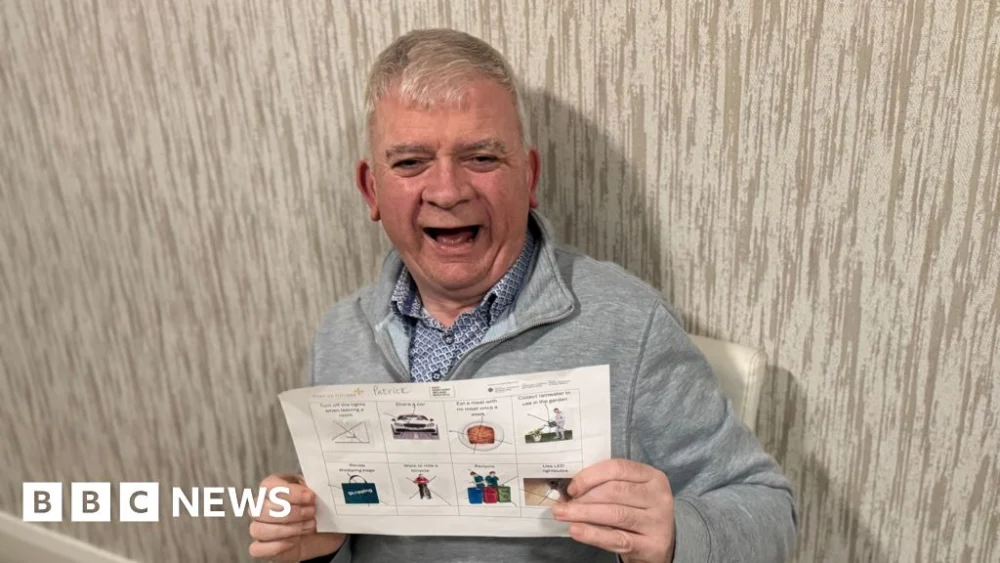
A groundbreaking climate change training course, believed to be the first of its kind in the United Kingdom, has been specifically designed for people with learning disabilities, empowering them to understand and contribute to environmental protection. This innovative programme challenges conventional approaches to climate education, proving that complex issues can be made accessible and actionable for everyone. At its heart, the course utilizes engaging methods like picture bingo, transforming abstract concepts into tangible actions that individuals can implement in their daily lives. This imaginative approach is helping participants, such as brothers Patrick and Michael McKinney, grasp how their choices can genuinely make a difference in the fight against climate change.
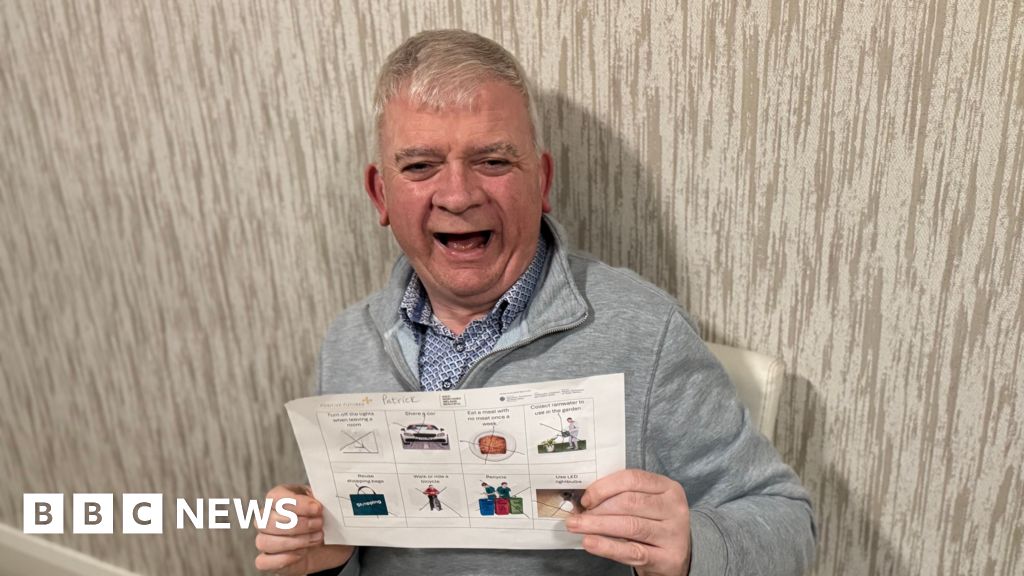
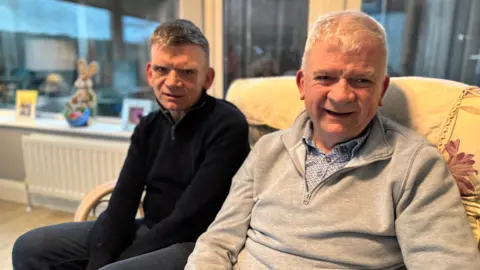
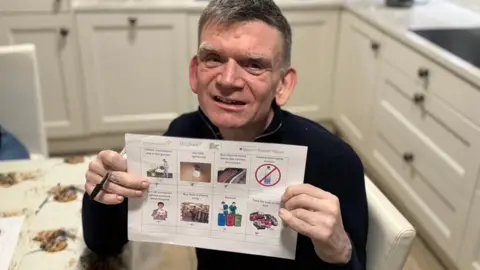
Patrick and Michael, who both have special needs, reside in supported accommodation in Newtownstewart, a scenic town in County Tyrone, Northern Ireland. Their participation in this pioneering course has not only enhanced their understanding of environmental issues but also boosted their confidence and independence in managing their impact on the planet. The traditional image of climate change education might evoke complex scientific graphs or daunting statistics, but for this course, it’s about making it personal and practical. Instead of numbers, the "bingo" game features vivid pictures representing various climate-friendly actions, making the learning process intuitive, fun, and highly effective for individuals who benefit from visual and simplified communication.
The brothers attended classes over several weeks in 2025, diving into topics ranging from animal welfare to sustainable living practices within their home and community. Patrick, for instance, has embraced the concept of conscious consumption by buying pre-loved clothes instead of new items, reducing textile waste and the carbon footprint associated with new manufacturing. He also actively participates in maintaining their garden, diligently mowing the grass and adding the cuttings to the compost heap, transforming organic waste into nutrient-rich soil. Michael, with his passion for gardening and growing flowers, has taken charge of collecting food waste for composting, a direct contribution to reducing landfill emissions. He also ensures energy efficiency by diligently turning off lights whenever he and Patrick leave their home, especially when heading out in their new hybrid electric car. Both brothers collaboratively sort their household recycling and carry reusable water bottles to the gym, embodying a holistic approach to sustainable living. Patrick enthusiastically described the training as "very good," highlighting how it opened his eyes to various aspects of environmental care, from understanding animal habitats to adopting new, greener habits around the house.
The catalyst for this innovative programme stemmed from a deeply personal realization by Hanna Coney, a support worker at Sperrins Supported Living Services, where the McKinney brothers reside. Becoming a mother last year profoundly shifted her perspective, leading her to contemplate the kind of world her child would inherit. This spurred her to seek out resources that could empower the people she supports to engage with environmental issues. While she anticipated the training would enhance the brothers’ confidence and independence, she was genuinely surprised by the depth of their engagement and how enthusiastically they embraced the lessons. Coney acknowledged the inherent challenge in discussing climate change, often a "frightening topic," but emphasized the course’s positive, non-alarming approach. "For us as support workers, it’s to make sure that we’re not fear-mongering the people we support," she explained. "And they’ve really taken off with it." The success of this pilot programme is set to pave the way for a broader rollout, with the training scheduled to be introduced to other supported living services in 2026, expanding its reach and impact.
Agnes Lunny, the chief executive of Positive Futures, one of the key organizations behind this pioneering project, underscored the critical importance of such initiatives. She highlighted that individuals with learning disabilities are disproportionately affected by climate change due yet are often excluded from discussions and solutions. Lunny passionately articulated the systemic barriers faced by her members, stating, "They get excluded from all sorts of issues facing all citizens." She lamented the common, often unintentional, excuse that such topics are "too difficult" or that materials cannot be made accessible, leading to the erroneous assumption that people with learning disabilities "don’t understand anyway." Lunny countered this narrative robustly: "Well, of course they don’t, if the information isn’t shared and if the information that is shared is inaccessible." For her, this climate change course, developed in partnership with Keep Northern Ireland Beautiful, has been "incredibly empowering," dismantling these long-standing barriers and affirming the intellectual capabilities and active citizenship of people with learning disabilities.
The climate change training is meticulously designed to educate participants on how their daily choices influence the planet and to equip them with practical strategies to mitigate their environmental footprint. Funding for this vital initiative comes from the plastic bag levy, a charge implemented to discourage single-use plastic bags and generate revenue for environmental projects. This sustainable funding model ensures the continued development and expansion of such impactful programmes.
Scott Howes, the Strategic Lead for Climate Action at Keep Northern Ireland Beautiful, was instrumental in developing the core course content and subsequently adapting it for this special needs pilot. His pedagogical philosophy extends beyond classroom instruction, emphasizing hands-on engagement with the natural world. "It’s as much about action as about involvement in being in the natural world," Howes explained. The curriculum actively encourages participants to venture outdoors, to "walk in the woods, make drawings of the natural world, explore places with friends, and to come back and talk about what they’ve discovered." This experiential learning approach fosters a deeper connection to nature, making the abstract concepts of climate change more relatable and personal. From these shared experiences and discoveries, the course gently transitions into discussions about human impact on the environment, both positive and negative, and explores a comprehensive array of methods to reduce that impact. The adaptation process involved simplifying language, using visual aids extensively, breaking down information into manageable chunks, incorporating hands-on activities, and allowing for individualized pacing to ensure maximum comprehension and engagement.
The success of this pilot programme in Northern Ireland offers a powerful blueprint for inclusivity in climate action globally. By demonstrating that effective and engaging climate education can be tailored for people with learning disabilities, it challenges prevailing stereotypes and champions the idea that everyone has a valuable role to play in addressing the climate crisis. The programme’s expansion promises not only increased environmental awareness but also greater independence, enhanced community participation, and a stronger voice for individuals who have historically been marginalized from such critical societal dialogues. Ultimately, this course is a testament to the fact that climate action is a collective responsibility, and genuine progress requires the active participation and empowerment of all members of society, irrespective of their abilities.

 Roy Suryo
 George Anjay
 Ramos Leo
 atisusanti