Nana Banana
The approval, which includes a comprehensive sports hub, a revitalised play area, significant improvements to the existing BMX track, and the refurbishment of the pavilion, has been met with a mix of relief from sports advocates and profound disappointment from environmentalists and local community campaigners. The most contentious element of the proposal was undoubtedly the 3G pitch, a state-of-the-art all-weather surface designed to provide year-round playability, but which relies on a rubber infill that has become a flashpoint in the broader debate about plastic pollution.
Norfolk Wildlife Trust (NWT) lodged a formal objection, expressing grave concerns that the tiny rubber pellets, typically made from recycled tyres, could escape the pitch area and contaminate the sensitive surrounding environment. The park’s proximity to Sweet Briar Marshes, a nationally important nature reserve teeming with diverse wildlife, and the River Wensum, a designated Site of Special Scientific Interest (SSSI) and Special Area of Conservation (SAC), amplified these fears. NWT highlighted the critical ecological value of these areas, arguing that even small amounts of microplastic pollution could have detrimental long-term effects on aquatic life, birds, and the delicate marshland ecosystem. They cited studies demonstrating how microplastics can be ingested by wildlife, leading to physical harm, reduced feeding, and potential exposure to toxic chemicals that leach from the plastic.
Microplastics, defined as plastic particles smaller than 5mm, are ubiquitous in the environment and are increasingly recognised as a serious global pollutant. The Department for Environment, Food and Rural Affairs (DEFRA) has previously identified 3G pitches as the biggest single cause of "intentionally added microplastic pollution" in the environment, a stark warning that underpinned the NWT’s objections. This official stance from a government body added significant weight to the environmental concerns, suggesting that the problem is not hypothetical but a recognised threat.
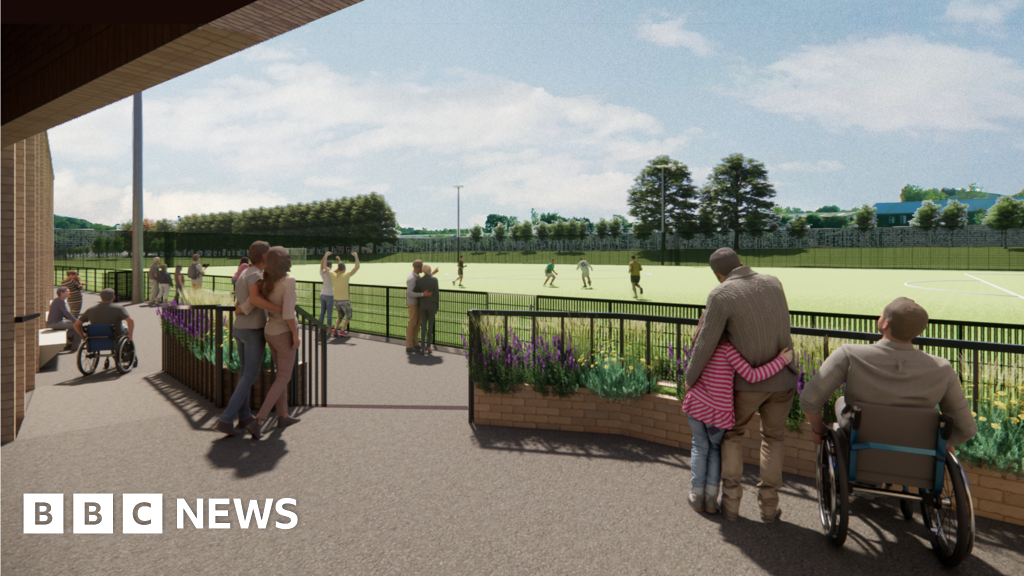
In response to these anxieties, Norwich City Council insisted that the design for the Sloughbottom Park pitch incorporates stringent mitigation measures, adhering strictly to the latest Football Foundation guidance. These measures include raised barriers around the pitch perimeter to prevent infill scatter, strategically placed boot brushes for players to remove pellets before leaving the playing surface, specialised matting at exits, and a filtered drainage system designed to capture any escaped rubber granules. The council spokesperson emphasized that these robust containment strategies had been reviewed, and Natural England, the government’s adviser for the natural environment, had not raised any objections to the application, implying a degree of confidence in the proposed safeguards. However, critics argue that while these measures are an improvement, they are rarely 100% effective in preventing the spread of microplastics over the long term, especially given the dynamic nature of weather and human use.
Beyond the environmental debate, the project also faced opposition from community groups, including the Friends of Sloughbottom Park and Norwich Friends of the Earth. These campaigners voiced concerns that the scheme amounted to a "partial privatisation" of a cherished public open space. Their fears centred on several key issues: the potential for prohibitive booking costs, which could exclude local residents and grassroots teams from accessing the new facilities; a reduction in casual access to the park as dedicated pitch slots would dominate usage; and the future of informal community events that have historically taken place in the park.
The proposed operating hours further fuelled these concerns, with the pitch expected to be open until 22:15 on weekdays and Saturdays, and until 20:15 on Sundays and bank holidays, with the broader sports hub operating even later. While supporters argue these extended hours maximise usage and provide much-needed opportunities, opponents worry about increased noise, floodlighting impact on local residents and wildlife, and a shift away from the park’s traditional role as a freely accessible, informal green space for all. Campaigners highlighted that public parks are vital for mental and physical well-being, and commercialisation, even with good intentions, can erode their democratic accessibility.
Despite these significant objections, planning officers had recommended the application for approval, stressing the profound benefits the £7.6 million investment would bring to the Mile Cross community. The Local Democracy Reporting Service quoted officers arguing that the project would deliver "modern, year-round facilities" crucial for promoting health, wellbeing, and sporting participation in an area that currently lacks such infrastructure. The refurbished pavilion, for instance, is set to include a new café, a community room, improved toilets, and essential storage, transforming it into a vibrant hub for social interaction and local services, not just sports.
The broader vision for Sloughbottom Park encompasses more than just the 3G pitch. The revitalised play area promises to offer diverse activities for younger residents, while improvements to the BMX track aim to enhance existing youth engagement. Proponents argue that the overall package represents a holistic approach to urban regeneration, using sport and recreation as catalysts for positive social change. They believe that the benefits of providing state-of-the-art facilities, fostering local sports clubs, encouraging youth development, and promoting community cohesion outweigh the perceived risks, especially with the proposed mitigation measures in place.
Funding for the ambitious project is expected to come from a combination of council investment and significant grants, likely from national bodies such as the Football Foundation, which is dedicated to improving grassroots football facilities across the UK. Such investment is seen as critical for addressing health inequalities and providing positive outlets for young people in areas of higher deprivation.
As the bulldozers prepare to move in, the approval marks a significant moment for Sloughbottom Park. While the council moves forward with its plans to transform the park into a modern sporting hub, the decision leaves a lingering question mark over the environmental integrity of the surrounding natural habitats and the long-term impact of introducing artificial surfaces into urban green spaces. The debate between the undeniable social benefits of improved sports facilities and the growing imperative of environmental protection continues, with Sloughbottom Park now a tangible example of this complex balancing act.




 Roy Suryo
 George Anjay
 Ramos Leo
 atisusanti