Nakalama John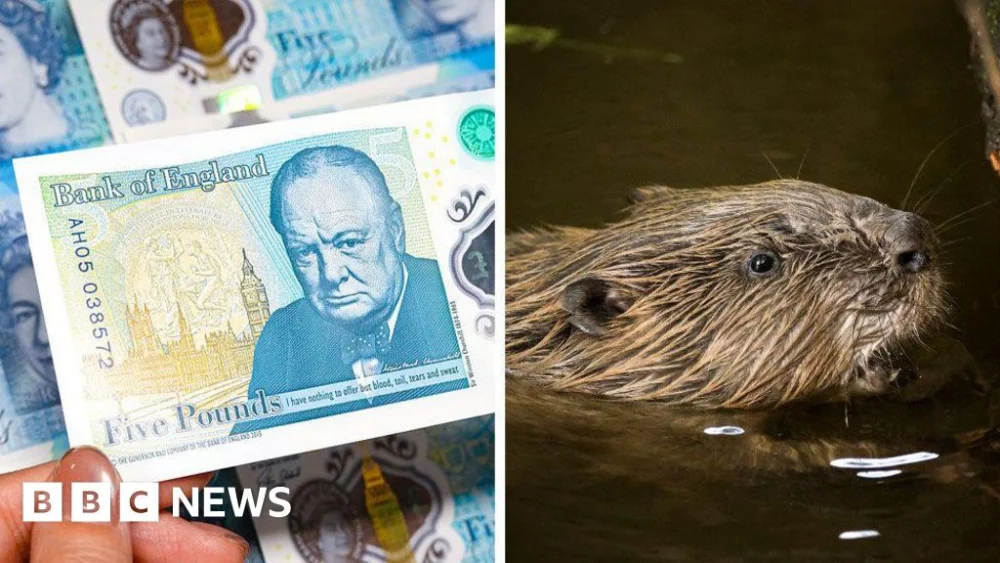
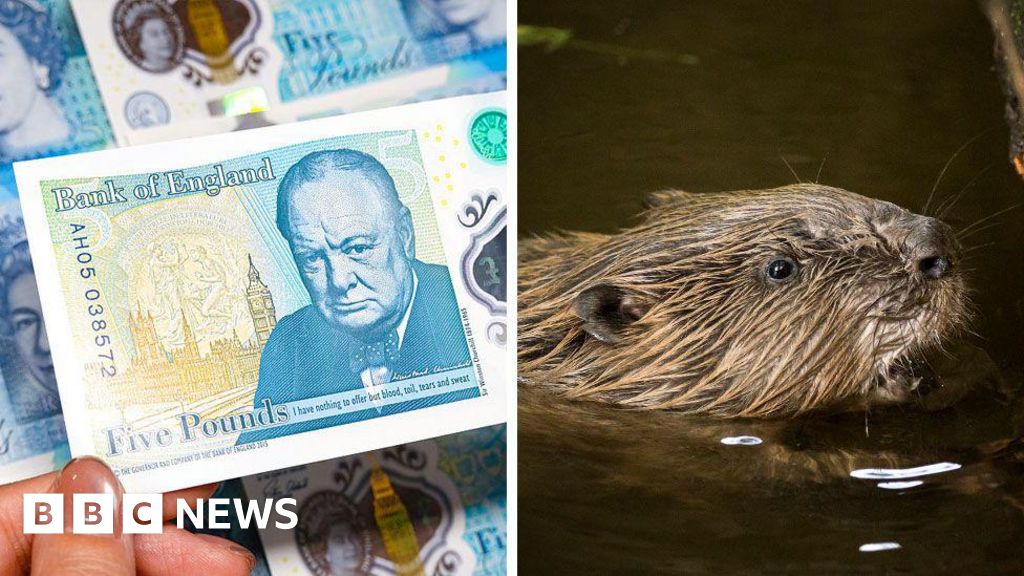
The decision marks a significant departure from the tradition established in 1970, when William Shakespeare became the first historical figure to grace the reverse side of a British banknote, ushering in an era where national heroes and cultural icons were celebrated in daily transactions. Since then, figures such as Sir Isaac Newton, Charles Dickens, Florence Nightingale, Michael Faraday, and Adam Smith have all appeared on notes. Currently, the polymer series features Sir Winston Churchill on the £5 note, author Jane Austen on the £10, artist JMW Turner on the £20, and mathematician and wartime codebreaker Alan Turing on the £50. The potential removal of these titans of British history, particularly the iconic wartime leader Churchill, has proved to be a lightning rod for criticism.
Prominent political figures have wasted no time in expressing their dismay. Kemi Badenoch, a senior figure in the Conservative party, branded the decision "a silly thing to do" and asserted that "removing Churchill from banknotes is erasing our history." Nigel Farage, leader of the Reform Party, echoed this sentiment, calling it "absolutely crackers" and specifically lamenting the prospect of replacing figures like Churchill with "a picture of a beaver," despite the Bank having made no specific animal selections yet. Even Liberal Democrat leader Sir Ed Davey weighed in, stating, "I can’t think of a worse time to do this with a war waging in Europe," implying a perceived lack of gravitas in the proposed change amidst global instability. These reactions underscore a deep-seated attachment among some to the historical narrative represented by the currency, viewing its alteration as an affront to national identity and heritage.
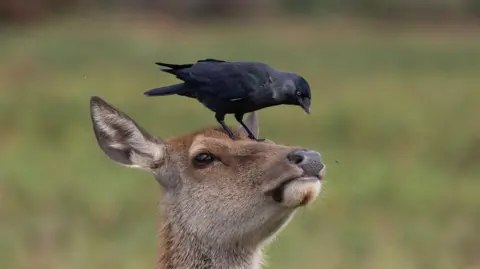
However, the Bank of England maintains that its decision is firmly rooted in public preference and, crucially, in the imperative to enhance security. A spokesman for the Bank elaborated, "Importantly, wildlife imagery as a theme provides many unique opportunities to explore the latest anti-counterfeiting and security features, for example moving elements such as a bird flapping its wings or a deer running." Modern banknotes incorporate increasingly sophisticated security features to thwart counterfeiters, from holograms and colour-shifting inks to tactile elements and micro-printing. Dynamic, intricate designs, especially those that can animate or shift appearance when tilted, offer a new frontier in making notes harder to fake and easier for the public to authenticate. While historical portraits can be complex, the natural world offers an unparalleled canvas for incorporating these advanced visual and tactile security elements.
The argument for public preference is supported by a comprehensive consultation process. The Bank revealed that "Nature" was the most popular theme among the 44,000 responses received during a public consultation and focus groups on banknote imagery. A substantial 60% of respondents selected nature as one of their preferred themes, outranking architecture and landmarks (56%), historical figures (38%), arts, culture and sport (30%), innovation (23%), and noteworthy milestones (19%). This data suggests a significant segment of the population is indeed open to, or even enthusiastic about, a shift towards natural imagery.
Interestingly, political leaders appear to be somewhat at odds with portions of their own voter bases. A YouGov poll conducted last July, surveying over 5,000 people, indicated that 34% of Liberal Democrat voters desired nature on banknotes, compared to 19% who preferred notable British historical figures. Among Conservative and Reform supporters, the preference for historical figures was marginally stronger (30% for both), but still closely contested by those favouring nature (26% for Conservatives and 25% for Reform). This nuanced public opinion highlights a generational or ideological divide, where the perceived importance of national heritage on currency might be waning for some, while the appeal of celebrating the natural world grows.
Adding another dimension to the debate, the RSPCA has enthusiastically thrown its hat into the ring, advocating for some of Britain’s most overlooked and often maligned creatures. Geoff Edmond, a wildlife expert at the animal charity, made a compelling case for pigeons, rats, and gulls to feature on the new designs. "Rats have been trained to detect disease and locate landmines, while pigeons played key roles in both world wars, carrying messages – and we think that’s worth celebrating," Edmond asserted, highlighting their intelligence, resilience, and historical contributions. He also championed other intelligent and "under-appreciated" animals such as foxes, aiming to broaden the public’s appreciation for Britain’s often-urban wildlife. The RSPCA’s intervention underscores a desire to represent the full spectrum of British fauna, not just the traditionally ‘charismatic’ species. This opens the door to a potentially diverse and educational collection of images, showcasing the breadth of the UK’s biodiversity.
Even Sir Winston Churchill’s own granddaughter, Emma Soames, offered a surprisingly measured and humorous perspective on the matter. Speaking to the BBC, she acknowledged that she "never thought the image of her grandfather on the fiver ‘was going to go on forever’." When playfully asked how she would feel if he were replaced by a badger, her response was candid: "Well, lucky badger or lucky grandpapa," adding that any suitable substitute should ideally be a "very brave and courageous animal." Her pragmatism and lack of outrage stand in stark contrast to the political furore, perhaps suggesting a more relaxed view of symbolic changes among some descendants of historical figures.
The Bank of England, keenly aware of the sensitivities surrounding banknote imagery, has a history of navigating public opinion, sometimes controversially. In 2013, it faced significant criticism for the absence of any women, apart from Queen Elizabeth II, on its notes. This sparked a successful campaign for greater representation, leading to Jane Austen’s inclusion. Furthermore, there has never been a historical figure of Black or ethnic minority background on the Bank’s notes, a fact that has long fuelled calls for more inclusive representation. Shifting to wildlife, therefore, might be seen as an attempt to sidestep these historically divisive choices, offering a universally appreciated theme that avoids contentious political or historical interpretations.
Victoria Cleland, the Bank of England’s chief cashier whose signature graces all British banknotes, acknowledged the inherent challenges in such decisions. During an interview, which was momentarily interrupted by gulls – perhaps lobbying for their inclusion – Cleland remarked, "People will have views on whatever goes on banknotes. That’s why we think it is really important to consult with the public." This sentiment reflects the Bank’s delicate balancing act: implementing necessary security updates, responding to public desires, and navigating the strong emotions tied to national symbols.
The news has not only sparked serious political debate but also ignited a wave of creativity and humour across social media. Brands and individuals alike have seized on the topic, offering their own quirky suggestions. Aldi UK, known for its playful online presence, was quick to join the fun, making a tongue-in-cheek case for its popular Cuthbert the Caterpillar cake to appear on banknotes, even mocking up a mock job application to the Bank of England. Such lighter engagements underscore the pervasive nature of the discussion, demonstrating how a serious policy change can permeate popular culture. While the Bank has confirmed that household pets would not be permitted – ruling out a beloved cat or dog appearing on the currency – it has not explicitly ruled out baked goods representing wildlife, adding another layer of amusement to the discussion.
Looking ahead, the process will involve a panel of experts drawing up a shortlist of potential British wildlife candidates. This shortlist will then be presented for further public consultation this summer, allowing citizens another opportunity to voice their preferences. The final decision rests with the Bank’s Governor, but it is anticipated that it will be several years before the new series of wildlife-themed banknotes actually enter circulation. This transition period will undoubtedly provide ample time for continued debate, public engagement, and perhaps, a gradual acceptance of a more natural, and dynamically secure, face for British currency. The journey from historical heroes to beavers and pigeons reflects a fascinating interplay of national identity, technological necessity, and evolving public sentiment in the modern United Kingdom.

 Nana Banana
 George Anjay
 Ramos Leo