Nakalama John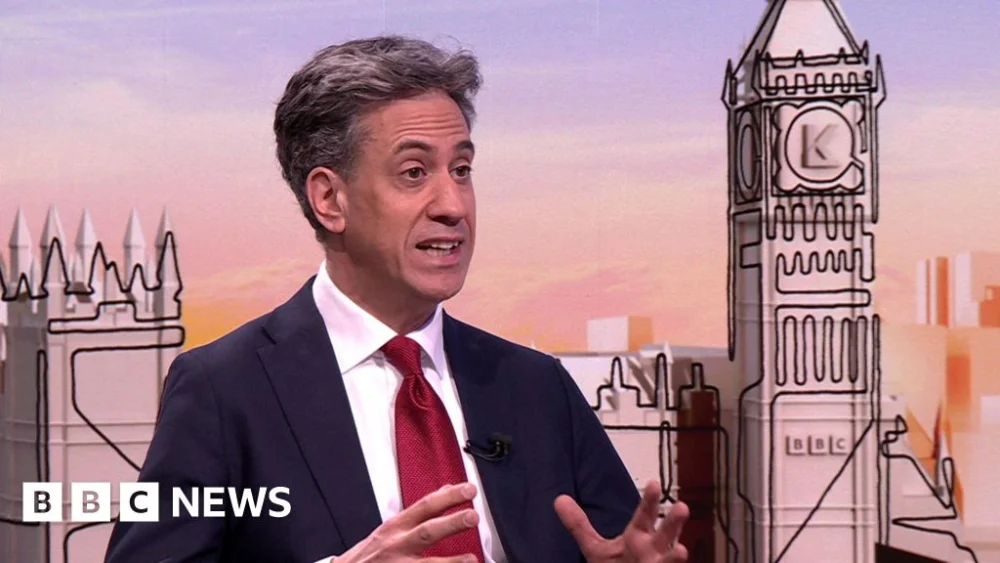
The veteran Labour politician emphasized the proactive stance, telling viewers, "We’re going to stand by people in this crisis," and confirming that the government was diligently "preparing for all eventualities." This forward-looking approach comes amid widespread concern as global oil and gas prices have already seen significant increases, directly attributable to the heightened tensions and ongoing conflict in the Middle East. With no clear resolution in sight for the regional instability, economists worldwide have issued stark warnings about the potential for severe impacts on the global economy and, critically for households, the cost of living.
The immediate effect has been felt keenly at the pumps, with motoring organisation the RAC reporting that petrol prices have soared to an 18-month high. This surge has already prompted a strong reaction from Prime Minister Sir Keir Starmer, who last week issued a stern warning that his government "will step in" if fuel companies are perceived to be exploiting the situation and "try to rip off customers." The focus on fuel prices highlights the dual pressure points for consumers: both the direct cost of energy for homes and the indirect costs through transportation.
A significant portion of the cost of petrol at the pump, approximately 38%, is made up of fuel duty. When pressed on whether the government would maintain the current freeze on fuel duty beyond its September expiry, Miliband remained non-committal, indicating the fluidity of the situation. "With five months to go until September, we’ll have to see where we are," he responded, reiterating the government’s overarching commitment: "We will stand by the British people in this crisis and we will do what it takes to do that." This suggests that all options, including adjustments to fiscal policy like fuel duty, are on the table as the government navigates the evolving economic landscape.
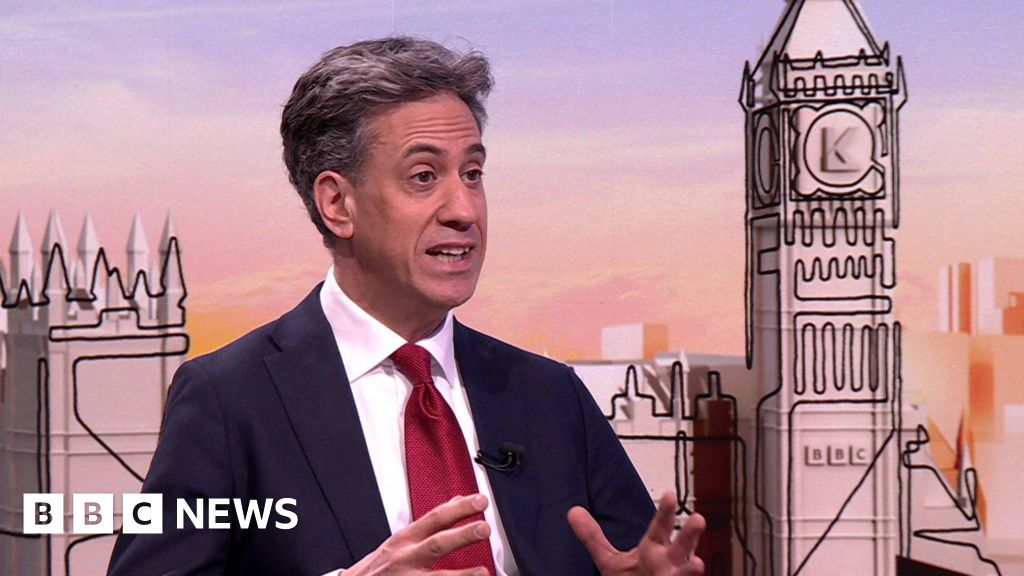
Miliband also revealed a recent confrontation with petrol retailers, following his warnings that the independent watchdog, the Competition and Markets Authority (CMA), was closely monitoring potential "price gouging" amidst the current conflict. His strong language was met with an equally robust reaction from retailers, who labelled his warnings "inflammatory language" and, in a show of defiance, briefly threatened to withdraw from a scheduled Downing Street meeting. Despite the initial friction, the retailers eventually attended the meeting, but the episode underscored the tension between government and industry over pricing practices during times of crisis.
Defending his position, Miliband was unrepentant: "There is evidence this market isn’t working well… Some of them [fuel retailers] didn’t like it but that’s tough because we’re going to fight for the British people in this conflict." He elaborated that the issue extended beyond petrol, citing "bad examples" in the heating oil sector, which serves many rural areas not connected to the national gas grid. This broader concern suggests a systemic issue in energy markets, leading to an expectation that a support package from Chancellor of the Exchequer Rachel Reeves could be announced early next week, specifically targeting these vulnerabilities.
"I don’t think these are markets that have been working well, frankly; I think there’s a longer term look that needs to be done about how these markets are working," Miliband asserted, signaling a potential for deeper reforms beyond immediate crisis management. He drew on lessons from past economic upheavals, stating, "The thing I learned from previous crisis was the British people expect us to be by their side and no vested interest, no powerful interest, will stand in the way of that." This rhetoric positions the government as a staunch defender of consumer interests against potentially exploitative market practices.
While the immediate impact of the Gulf crisis on household energy bills for those with gas and electric heating is expected to be delayed until the autumn – largely due to a recent shake-up of government charges that saw prices fall for the next three months – the long-term outlook remains uncertain. Bills could see a significant increase at that point, making the government’s preparations crucial. "Obviously we are preparing for every eventuality," Miliband reiterated, acknowledging the pre-existing struggles with the cost of living, which he affirmed remains "people’s number one priority." The scale of any government intervention, he clarified, would be determined by the actual impact of the conflict as assessed by July.
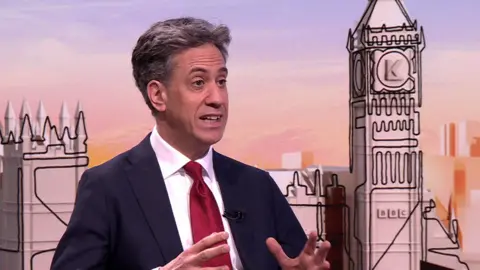
Miliband also took the opportunity to dismiss calls from the Conservative opposition for his government to approve new oil and gas licences in the North Sea. He argued that such measures would not insulate the UK from global price shocks, highlighting that the price of gas is determined by international markets, irrespective of whether it originates from the North Sea or the Middle East. "We are a price taker not a price maker," he emphasized, articulating a core tenet of the current government’s energy policy. He distilled the long-term lesson from the current crisis: "There is one lesson from this crisis, and only one in my view for the long term on energy policy, and that is that we need home-grown, clean power that we control." This statement underscores a strategic shift towards energy independence through renewable sources, aiming to shield the UK from volatile international fossil fuel markets.
Speaking on the same programme, Shadow Energy Security Secretary Claire Coutinho, representing the Conservatives, urged the government to "implement my cheap power plan" as a means to reduce bills immediately. Coutinho contended that the "first port of call should be to reduce costs" to people’s energy bills, "before we go to the taxpayer again." She also controversially suggested that renewables policies championed by successive Tory prime ministers "should now be abandoned," indicating a potential divergence in energy strategy within the Conservative Party. Despite advocating for market-based solutions initially, Coutinho affirmed that the Conservative Party "reserves the right" to call for direct government intervention, drawing a parallel to the subsidised energy bill system implemented by Liz Truss in the wake of the Russian invasion of Ukraine.
Liberal Democrat leader Sir Ed Davey also weighed in on the crisis, telling Kuenssberg that there was a "huge problem with the hike in oil prices, in petrol prices, in energy bills, in mortgage costs, thanks to this illegal and damaging war." Davey’s focus extended beyond domestic policy, as he called for the US and Israel, as well as Iran, to "stop the bombing." He argued that the "best way" to ensure the critical Strait of Hormuz remains open and to alleviate the economic strain on families is to "deescalate this war." This tripartite political response highlights the broad concern across the political spectrum regarding the current energy crisis, though with differing approaches to both its immediate mitigation and long-term solutions. The government, under intense pressure, faces the complex challenge of balancing immediate consumer relief with sustainable, long-term energy security in an increasingly volatile global landscape.



 Nana Banana
 George Anjay
 Ramos Leo