
 George Anjay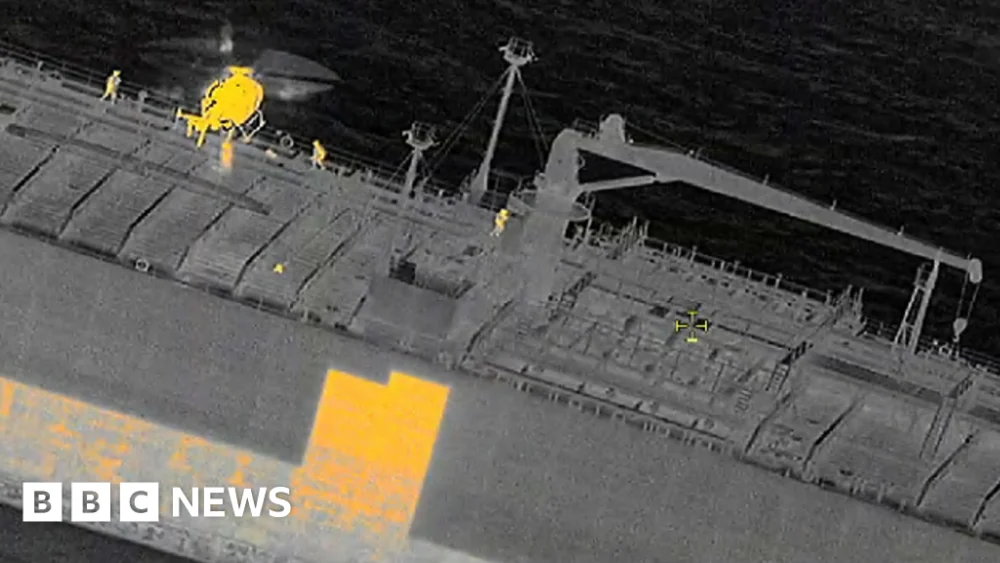
A significant development in the ongoing efforts to enforce international sanctions against Russia has occurred with the detention of the Russian captain of a vessel suspected of operating within Moscow’s clandestine "shadow fleet." The unnamed captain appeared before a court in Ystad, Sweden, following his arrest on Friday by the Swedish Prosecution Authority. The primary charge revolves around the alleged use of forged documents, a tactic often employed by vessels seeking to circumvent international regulations and sanctions.
The vessel in question, a substantial 228-meter (748-foot) tanker named the Sea Owl One, was intercepted by members of the Swedish Coast Guard while navigating within Swedish territorial waters. Initial suspicions were aroused when the ship was observed sailing under a Comoran flag, a registration that authorities believed might be fraudulent. The Sea Owl One’s inclusion on a list of vessels sanctioned by the European Union further heightened scrutiny. This incident underscores the critical role the "shadow fleet" plays in Russia’s strategy to mitigate the impact of Western sanctions on its vital oil exports. This network comprises tankers often characterized by obscure ownership structures and dubious insurance arrangements, allowing them to operate with a degree of impunity.
The Sea Owl One’s journey had been tracked from Santos, Brazil, to Primorsk, located on Russia’s Baltic coast. The Swedish Coast Guard revealed that the tanker had a history of transporting oil between Russia and Brazil in recent years, adding another layer of concern regarding its operational activities and adherence to international maritime law. The Swedish Prosecution Authority has confirmed the detention of the 55-year-old captain, with a spokeswoman indicating that such detentions typically last for a period of 14 days, during which further investigations and questioning would take place. Prosecutors have publicly stated their intention to conduct more in-depth interviews with the captain to ascertain the full extent of the alleged document fraud and the vessel’s operational context.
The boarding of the tanker by the coast guard occurred on Thursday evening in the waters south of Trelleborg, a coastal town situated at Sweden’s southern tip. The Swedish Coast Guard’s intervention was prompted by a strong suspicion that the ship was not officially registered with the Comoros, an African island nation whose flag it was flying. Operating under a false or unrecognized flag is a direct violation of international maritime law. The suspicion intensified when the captain presented the boarding officers with documents that appeared to be inauthentic, reinforcing the belief that the vessel was engaged in illicit activities.
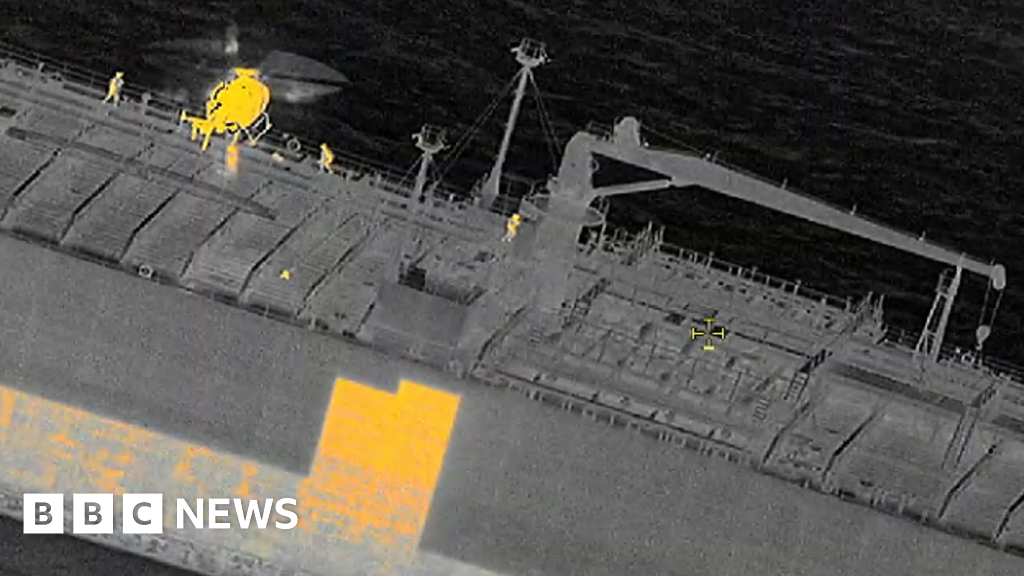
The Russian embassy in Sweden has provided information regarding the crew of the Sea Owl One, stating that 10 of the 24 sailors on board are Russian nationals, with the remaining crew members being from Indonesia. The embassy indicated on Saturday that it is closely monitoring the unfolding situation and has been approached by the BBC for further comment. This incident is not an isolated event; it represents the second time in a single week that Swedish authorities have taken action against a vessel suspected of being part of Russia’s shadow fleet.
Just days prior, on March 6th, the Swedish Coast Guard seized control of the Caffa, a cargo ship flying a Guinean flag. This vessel was also intercepted under similar suspicions and was reportedly en route from Casablanca, Morocco, to St. Petersburg, Russia. The Caffa is further suspected of being involved in the transportation of stolen Ukrainian grain. Currently, the Caffa is also anchored off the coast of Trelleborg, awaiting further investigation and potential legal proceedings.
Beyond Sweden, other European nations have also taken decisive action against vessels implicated in Russia’s shadow fleet. France, for instance, has seized several tankers believed to be part of this network. Notable seizures include the Grinch in the Mediterranean Sea in January and the Boracay in the Atlantic Ocean in October. These actions highlight a coordinated international effort to disrupt Russia’s ability to circumvent sanctions.
The imposition of Western sanctions on Russia’s oil exports began in earnest following Moscow’s full-scale invasion of Ukraine in February 2022. Oil revenues represent a significant source of funding for the Russian war effort, making the sanctions a crucial economic lever. The shadow fleet has become an indispensable tool for Russia to bypass these financial restrictions, enabling it to continue exporting its oil to global markets, albeit through convoluted and often opaque channels.
However, the activities of the shadow fleet extend beyond merely evading sanctions. These vessels have also been accused of a range of illicit and destabilizing actions. "Spoofing," the practice of misrepresenting their location data, is a common tactic used to obscure their true movements and destinations. Furthermore, there are allegations of shadow fleet vessels being involved in the sabotage of undersea cables, which are critical for global communication infrastructure, and even in the launch of drones, posing a broader security threat. The detention of the Sea Owl One’s captain is a clear indication that international authorities are increasingly vigilant and determined to hold accountable those involved in these activities, seeking to dismantle the clandestine network that supports Russia’s war economy and potentially undermines global security. The legal ramifications for the captain and the ship’s operators are likely to be significant, serving as a deterrent to others operating within the shadow fleet.



 Nakalama John
 atisusanti
 Ramos Leo
 Roy Suryo
 Nana Banana