
 George Anjay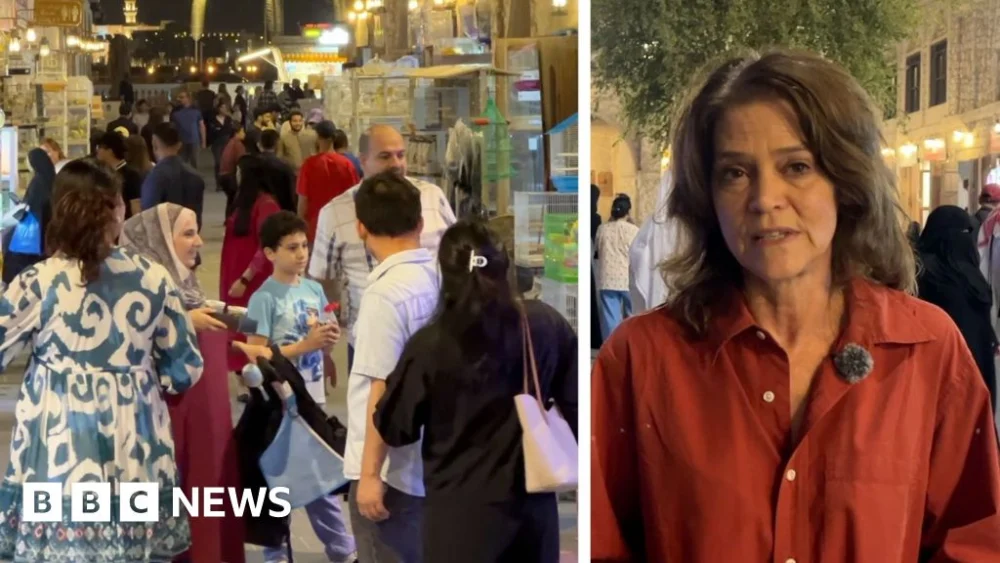
Two weeks into the escalating conflict between Israel, the United States, and Iran, Doha’s iconic Souq Waqif is experiencing a tentative return to its vibrant usual state. On February 28th, the day the regional hostilities erupted, the usually bustling marketplace was eerily deserted. The pervasive shock and disbelief that gripped the usually safe and stable Qatari capital in the wake of the initial attacks had rendered the labyrinthine alleys and spice-scented air almost silent. Residents, accustomed to a long period of regional peace, found themselves grappling with a sudden and profound sense of unease, a stark contrast to the predictable rhythm of their daily lives.
The ripples of Tehran’s retaliatory strikes have extended beyond Iran’s immediate borders, profoundly impacting Qatar’s neighboring countries. The grim reality of the conflict has manifested in tragic loss of life, with reports indicating that at least 18 individuals have perished across the Gulf states in the unfolding violence. These casualties serve as a stark reminder of the interconnectedness of the region and the devastating human cost of geopolitical instability. The initial fear that permeated Doha was amplified by these reports, casting a shadow of vulnerability over a nation that has, for so long, projected an image of unwavering security.
In stark contrast to the wider regional impact, Doha itself has, thus far, been largely spared the direct destructive force of the conflict. The majority of the strikes orchestrated by Iran, some of which were specifically aimed at US military installations within Qatar, have been effectively intercepted by the nation’s robust air defense systems. This technological prowess has played a crucial role in mitigating damage on the ground, preventing widespread destruction and, most importantly, preserving life. The absence of reported deaths within Qatar, while a testament to its defensive capabilities, also contributes to a complex emotional landscape. While relief is undoubtedly present, it is tinged with the awareness of the suffering experienced by neighbors and the constant, underlying threat that hovers over the region.
As the Middle East navigates the turbulent waters of its third week of conflict, a subtle but discernible shift is occurring within the heart of Doha. Souq Waqif, the city’s most renowned and cherished marketplace, is beginning to regain its familiar hum of activity. The once-empty stalls are once again being populated by eager vendors, and the once-silent walkways are echoing with the murmur of returning shoppers. This resurgence, though not yet at its pre-conflict levels, signifies a nascent return to normalcy, a collective effort by the people of Doha to reclaim their routines and their sense of shared community.
The BBC’s correspondent, Barbara Plett Usher, has made a return visit to Souq Waqif, venturing into its bustling alleys to gauge the prevailing sentiment among those who are now beginning to frequent its vibrant expanse. Her presence underscores the global interest in how this region, so deeply impacted by geopolitical shifts, is processing the ongoing crisis. The conversations she has initiated are not merely anecdotal observations; they are attempts to capture the nuanced emotional tapestry woven by the threads of fear, resilience, and a cautious hope for a swift resolution.
One of the first individuals Plett Usher encounters is Ahmed, a spice merchant whose stall, usually a riot of color and aroma, had seen a dramatic downturn in customers in the immediate aftermath of the initial attacks. "It was like a ghost town," Ahmed recounts, his voice a mixture of weariness and a nascent sense of relief. "People were afraid to leave their homes. Every news report, every siren, it just made them more anxious. We understood, of course. The news from our neighbors was terrifying. But for us, here, it felt like a different kind of fear. A fear of the unknown, of what might happen next." He gestures to a small pile of cardamom pods, his fingers tracing their intricate patterns. "Now," he continues, a faint smile touching his lips, "people are starting to come back. They need their routines. They need to feel like life is still going on. And honestly, so do we. We need the business, but more than that, we need the connection. We need to see familiar faces and hear laughter again."
Further into the market, amidst the melodic calls of falconers and the tantalizing aroma of grilled meats, Plett Usher speaks with Fatima, a shopkeeper who sells traditional Qatari handicrafts. Her stall, adorned with intricately woven rugs and delicate silver jewelry, had also experienced a significant lull. "The first week was the worst," she explains, her eyes scanning the growing crowd with a mixture of apprehension and optimism. "You could feel the tension in the air, even here. Everyone was glued to their phones, waiting for updates. The children were restless, and the adults were constantly whispering about the news. We prayed for peace, of course, but the fear was very real. Seeing the market fill up again, even slowly, it gives us hope. It tells us that people are not going to let fear dictate their lives entirely. They are choosing to be brave."
The children, too, are a visible indicator of this returning sense of normalcy. Their laughter, once subdued by the palpable anxiety that had gripped the city, is now beginning to punctuate the marketplace air. Parents, who had been hesitant to expose their young ones to the perceived dangers of public spaces, are gradually reintroducing them to the familiar joys of Souq Waqif. The sight of children marveling at the colorful lanterns, clutching sweet treats, and engaging with the street performers is a powerful symbol of resilience, a testament to their innate ability to adapt and find moments of joy even in the shadow of conflict.
However, the returning crowds do not signify a complete erasure of the anxieties that have taken root. Underlying the renewed activity is a palpable awareness of the ongoing conflict and its potential to escalate. Conversations, while no longer dominated by hushed tones of fear, still carry an undercurrent of concern. The intercepted missiles, while a source of relief, also serve as a constant reminder of the proximity of danger. The knowledge that neighboring countries are bearing the brunt of the attacks weighs heavily on the collective consciousness of the Qatari people.
"We are thankful, of course, that our homes are safe," says Tariq, a regular visitor to the market, as he purchases a bag of dates. "But we cannot forget what is happening around us. We have family and friends in other Gulf states. We see the news, and our hearts ache for them. This market, it is a symbol of our life here. But it is also a place where we connect with the wider region. We hear about the suffering, and it affects us all." Tariq’s sentiment reflects a broader understanding within Doha: that their relative safety does not insulate them from the emotional and humanitarian impact of the war.
The economic implications of the conflict are also a significant factor in the market’s revival. For many vendors, their livelihoods are directly tied to the flow of customers and the economic vitality of the city. The initial emptiness of Souq Waqif had threatened their ability to sustain themselves and their families. The gradual return of shoppers, therefore, represents not just a return to normalcy but also a crucial lifeline for these small businesses.
"It was a difficult time," admits Layla, who sells traditional perfumes. "We had days with almost no sales. You start to worry about paying your bills, about feeding your family. But then, you see people like Ahmed and Fatima, and you know you are not alone. We are all in this together. And now, seeing more people, hearing the chatter, it makes you feel like there is a future. It makes you feel like we can get through this."
The BBC’s visit to Souq Waqif, therefore, captures a moment of transition. It is a snapshot of a community emerging from a period of acute shock and anxiety, tentatively re-engaging with its cherished public spaces. While the scars of the initial attacks and the ongoing regional conflict remain, the returning vibrancy of the market offers a glimmer of hope. It speaks to the enduring human spirit, the innate desire for connection, and the resilience of a people who, even in the face of regional turmoil, are choosing to rebuild, to connect, and to reclaim their sense of normalcy, one bustling alleyway at a time. The sounds and smells of Souq Waqif, once muted by fear, are slowly but surely returning, a testament to the enduring pulse of life in Doha, even as the drums of war continue to beat in the wider Middle East.

 Nakalama John
 atisusanti
 Ramos Leo
 Roy Suryo
 Nana Banana