George Anjay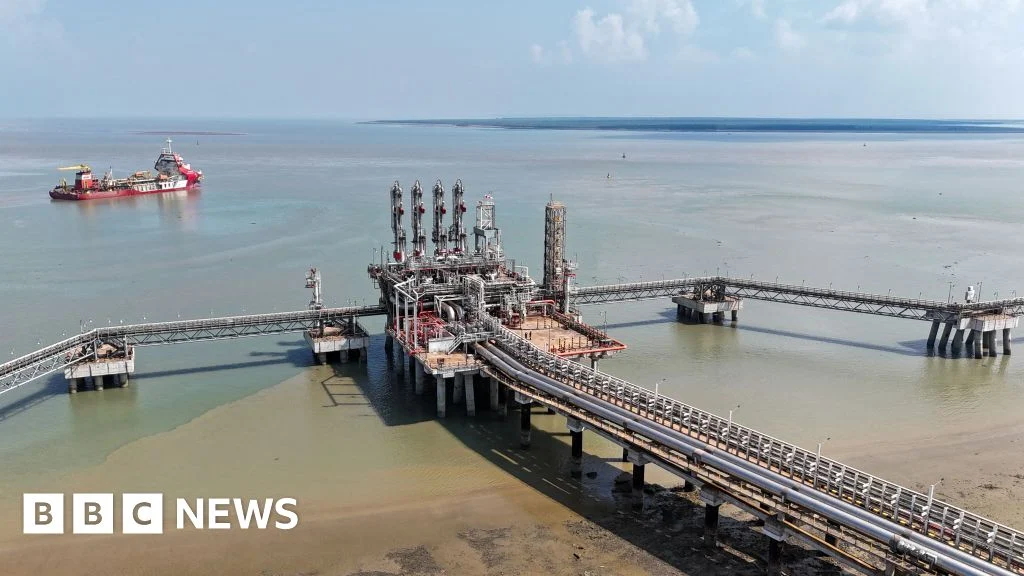
The escalating conflict in Iran has already sent ripples through India’s liquefied petroleum gas (LPG) market, raising concerns about the stability of another vital energy source: the nation’s rapidly expanding network of piped natural gas (PNG). This intricate system, which delivers natural gas directly to homes and businesses, is crucial for a diverse range of consumers, including fertilizer plants, various industries, and gas-fired power generation. A significant driver of this growth is the burgeoning city gas distribution network, supplying PNG to households and compressed natural gas (CNG) to vehicles. The provision of gas to urban households via PNG is a particularly strong growth area, fueled by government initiatives encouraging citizens to transition from traditional gas cylinders to the convenience of piped gas. This push is yielding tangible results, with India now boasting over 15 million PNG connections, a figure that continues to climb as policymakers actively promote its adoption. Simultaneously, the demand for CNG as an automotive fuel has seen a consistent rise, establishing it as India’s second-largest auto fuel after petrol. The question on the minds of many urban Indian households, witnessing the challenges faced by LPG tankers navigating the Strait of Hormuz, is whether their piped gas supply could be the next to experience a squeeze.
While the immediate prospect of a complete disruption to piped gas supplies for homes and vehicles appears unlikely, the situation warrants careful observation. India’s PNG supply is a hybrid model, drawing from both domestic production and imports of liquefied natural gas (LNG). Approximately half of the country’s PNG requirements are met by domestically produced natural gas, extracted from onshore and offshore fields by major players like ONGC and Reliance. The remaining demand is satisfied through LNG imports. Rahul Chopra, managing director of Haryana City Gas Distribution Limited, a nationwide gas company serving approximately 100,000 domestic consumers and operating 195 CNG fuel stations, assures that "No disruption is expected for homes and vehicles [using piped gas]. The government has given priority to these two sectors." However, this prioritization comes at a cost to other sectors. Around 2,200 of Chopra’s industrial and commercial clients are currently subject to a government-mandated 20% supply reduction, as gas is being reallocated to meet the growing demand from households and vehicles. In scenarios of supply constraints, governmental policy typically prioritizes essential sectors, particularly fertilizer plants and households connected to piped gas networks. Consequently, industrial consumers and power generators often become the primary casualties of such measures. When LNG prices surge or import volumes dwindle, factories are compelled to switch to alternative fuels such as fuel oil, LPG, or even coal. Gas-fired power plants, in such situations, simply curtail their electricity generation.
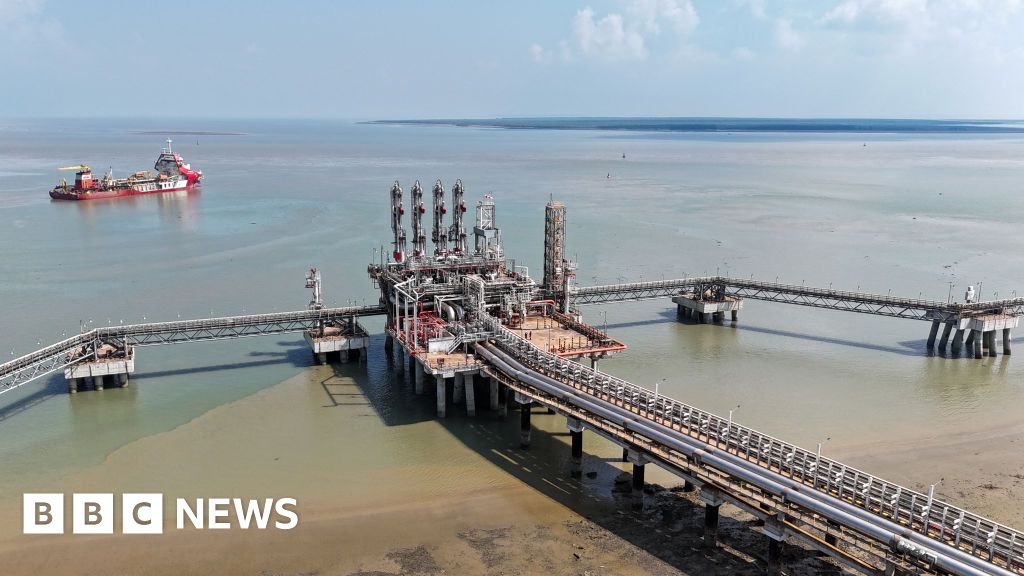
Despite the presence of a domestic gas supply cushion, India’s piped gas system, much like its LPG market, remains susceptible to global energy market volatilities. In recent years, LNG has constituted roughly half of India’s total gas availability. In 2025, imports reached an estimated 24-25 million tonnes, solidifying India’s position as one of the world’s largest importers of LNG. A significant portion of these imports originates from a single, crucial source: Qatar. Over half of India’s LNG imports are secured through long-term contracts with Qatari suppliers. Smaller volumes are also sourced from countries like the United States, Australia, Russia, and various nations in Africa. Critically, LNG cargoes destined for India from Qatar and the United Arab Emirates must transit through the Strait of Hormuz, a narrow and strategically vital maritime chokepoint that has become a focal point of the current Middle East conflict following attacks by the US and Israel on Iran. Approximately 50-55% of India’s total LNG imports are transported through this sensitive corridor.
As of now, the flow of LNG has not been completely interrupted. Tankers that loaded their cargo before the recent escalation of hostilities are continuing their voyages. Go Katayama, principal insight analyst for LNG and natural gas at Kpler Insight, a commodity intelligence platform, notes that "Supplies have not been completely disrupted yet. Cargoes that loaded in Qatar before the conflict escalated are still arriving in Asia." Shipping data compiled by Kpler indicates that 13 LNG cargoes loaded between February 10th and 26th are currently en route to India, with deliveries expected to continue throughout March. However, exports from Qatar’s massive Ras Laffan LNG complex, which has an annual capacity of 77 million tonnes, have reportedly been halted since March 2nd. This means that the vessels currently en route could represent the final shipments until safe passage through the Strait of Hormuz is re-established, according to Katayama.
This situation does not imply an imminent depletion of India’s gas reserves. However, it undeniably exposes a structural vulnerability within the country’s energy infrastructure. Unlike crude oil, India does not maintain strategic reserves of LNG. Gas is primarily stored as working inventory at regasification terminals – facilities such as Dahej, Hazira, Kochi, and Ennore – which are responsible for converting imported LNG back into usable gas. According to Katayama, these terminals can typically cover approximately one to two weeks of imports, contingent upon operational efficiency and the regularity of cargo arrivals. This system relies on a consistent rhythm of ship arrivals. Any disruption to this cadence necessitates a rapid market adjustment.
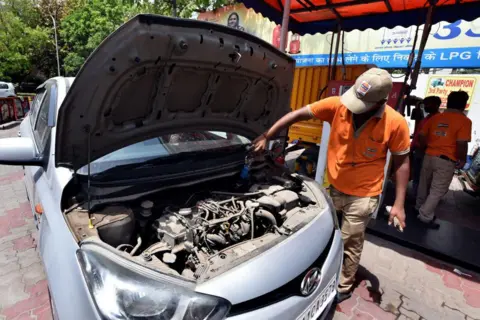
For urban Indian consumers reliant on piped gas, the immediate concern is not a potential shortage, but rather the prospect of escalating prices. Should disruptions at the Strait of Hormuz persist, India’s gas market is likely to adjust in its customary fashion: through increased prices and a consequent reduction in industrial demand. While households may continue to have access to gas for their kitchens, the cost will inevitably rise. "There is some price rise expected," comments Chopra, reflecting the anticipated impact on consumer budgets. Ultimately, both households and industries will face higher energy costs, with industry bearing the brunt of more significant supply cuts. The interconnectedness of global energy markets means that geopolitical tensions in one region can have tangible and far-reaching consequences for domestic energy security and affordability in nations like India, even for a seemingly secure supply like piped gas.




 Nakalama John
 Ramos Leo
 Nana Banana