George Anjay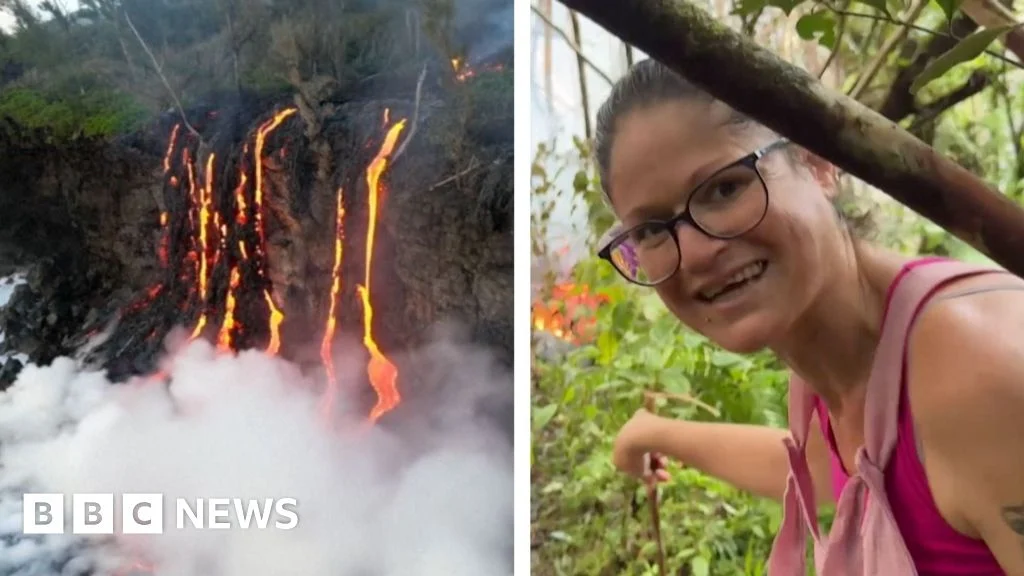
The fiery spectacle of an active volcano has drawn crowds to Reunion Island, a French overseas territory renowned for its dramatic volcanic landscapes. For over a month, the Piton de la Fournaise, one of the world’s most active volcanoes, has been putting on a spectacular and awe-inspiring display, with tourists and locals alike converging to witness rivers of molten rock flowing down its slopes. The sheer power and raw beauty of nature are on full display, creating a unique and unforgettable experience for those who dare to venture close to this geological marvel.
The recent eruption has been particularly noteworthy, reaching a significant milestone on Sunday when lava from the Piton de la Fournaise volcano cascaded into the Indian Ocean for the first time in 19 years. This dramatic confluence of superheated lava and cool ocean water created a breathtaking scene, complete with plumes of steam and a symphony of hissing and bubbling. Such events are rare and highly sought after by both scientific observers and thrill-seeking tourists, offering a rare glimpse into the dynamic geological processes that shape our planet. The interaction of lava with water generates a unique set of phenomena, including the rapid cooling of the lava and the release of gases, which can be both dangerous and mesmerizing.
The current eruptive phase commenced on February 13th, marking the second eruption of the Piton de la Fournaise this year. This demonstrates the volcano’s consistent and powerful activity, a testament to its position as one of the planet’s most reliably active volcanic systems. The initial eruption earlier in the year, while significant, was followed by this subsequent and even more impressive phase, keeping the island on high alert and drawing continuous attention. Volcanologists closely monitor these eruptions, gathering invaluable data that contributes to our understanding of volcanic processes, eruption prediction, and the geological evolution of the Earth.
The sheer volume and intensity of the lava flows have not been without their consequences, however. Two significant lava flows emanating from the volcano have already caused considerable disruption, notably by cutting off the national highway that serves as a vital artery, linking the southern and eastern regions of the island. This geographical isolation poses logistical challenges for residents and emergency services, necessitating the implementation of alternative transportation routes and contingency plans. The impact of volcanic activity on infrastructure is a common concern in volcanic regions, highlighting the constant interplay between human settlements and the powerful forces of nature. Authorities have been working diligently to manage the situation, ensuring the safety of the public while also facilitating essential services and travel.
The Piton de la Fournaise, meaning "Peak of the Furnace" in French, is a shield volcano located on the southeastern side of Reunion Island. It is one of the five volcanoes that make up the island and is renowned for its frequent and often spectacular eruptions. The volcano’s activity is largely effusive, meaning that the lava flows are relatively fluid and less explosive compared to other types of volcanoes. This characteristic allows for sustained lava flows, which are a major draw for tourists. However, the sheer scale of these flows can still pose significant risks, as evidenced by the disruption to the island’s infrastructure.
Reunion Island, a remote speck in the Indian Ocean, is a UNESCO World Heritage site, celebrated for its dramatic volcanic landscapes, lush rainforests, and unique biodiversity. The Piton de la Fournaise is a central element of this natural heritage, drawing a steady stream of visitors eager to witness its raw power. The island’s tourism industry heavily relies on the volcano’s activity, with guided tours and designated viewing points offering safe yet exhilarating opportunities to observe the eruption. These tours are meticulously planned and executed by experienced guides who are knowledgeable about volcanic behavior and safety protocols.
The decision to allow close proximity to the erupting volcano, even for those described as "steps away from lava," is a testament to the careful management and risk assessment undertaken by local authorities and scientific institutions. Designated safe zones are established, and visitors are strictly advised to adhere to the guidance of experts. The thrill of witnessing such a powerful natural phenomenon is undeniable, but safety remains paramount. The sight of molten rock, glowing with an incandescent heat, as it spills over the landscape is an experience that few will ever forget.
The current eruption has provided a wealth of data for volcanologists studying the Piton de la Fournaise. By analyzing the composition of the lava, the rate of effusion, and the seismic activity associated with the eruption, scientists can gain deeper insights into the internal workings of the volcano and refine their models for predicting future eruptions. The interaction of lava with the ocean is a particularly fascinating area of study, offering clues about the chemical and physical processes that occur when superheated magma meets seawater. This scientific endeavor is crucial for understanding volcanic hazards and developing effective mitigation strategies for communities living in volcanic regions worldwide.
The economic impact of the eruption on Reunion Island is also significant. The influx of tourists, eager to witness the spectacle, provides a boost to the local economy, supporting hotels, restaurants, and other tourism-related businesses. However, the disruption to transportation networks can also present challenges for supply chains and the movement of goods and services. Authorities are tasked with balancing the economic benefits of tourism with the need to ensure the safety and well-being of the island’s inhabitants and visitors.
The allure of active volcanoes has captivated humanity for centuries, symbolizing both immense destructive power and the creative forces that shape our planet. The Piton de la Fournaise, with its consistent and dramatic eruptions, has become a focal point for this fascination. The recent events, including the lava reaching the ocean and the disruption to the highway, serve as stark reminders of the dynamic and sometimes unpredictable nature of volcanic activity. As the eruption continues, the island of Reunion remains a compelling destination for those seeking to witness one of nature’s most awe-inspiring displays, a testament to the enduring power and beauty of our planet. The ongoing scientific observation and the careful management of public access underscore the complex relationship between humans and the powerful geological forces that surround us. The image of a woman standing perilously close to the flowing lava, a scene that might evoke both apprehension and wonder, encapsulates the profound human connection to these magnificent, yet formidable, natural wonders.


 Nakalama John
 Ramos Leo
 Nana Banana