Roy Suryo
Meningitis B, or MenB, has been confirmed as the bacterial culprit behind a worrying outbreak of cases among young people in Kent. This strain of meningitis is considerably rarer than its viral counterpart, yet significantly more severe, carrying the grave risks of blood poisoning, sepsis, and potentially fatal brain damage. Tragically, the outbreak has already claimed two young lives in Canterbury, with several other students requiring hospitalisation.
While babies have been routinely vaccinated against MenB since 2015 as part of the UK’s national immunisation schedule, the current cohort of older teenagers and university students have missed out. This is because the vaccine was not available when they were infants. Despite the ongoing concerns and the recent tragic events, the UK government decided against implementing a widespread catch-up vaccination campaign for this age group. However, this decision has prompted some parents to seek out private vaccination options for their children, sparking a crucial debate about the necessity and accessibility of the MenB vaccine for teenagers.
Currently, teenagers in the UK are offered the MenACWY vaccine. This vital jab provides protection against four other strains of meningococcal bacteria – A, C, W, and Y – which can also cause meningitis and septicaemia. However, it crucially does not offer protection against the MenB strain, the very strain now at the centre of the Kent outbreak. This gap in protection is a significant concern for many, particularly in light of recent events.
The inadequacy of communication regarding vaccine coverage has been a stark and painful lesson for bereaved parents like Helen and Lee Draper. Their daughter, Meg, tragically died from MenB meningitis last October while attending university. They express profound regret, stating they would have "paid £220 in a heartbeat" for her to have received the private MenB vaccination. Speaking on BBC Breakfast News, they shared their devastation at the news of further student fatalities from the illness.
Helen recounted the harrowing final days of her daughter’s life. "Megan had called us on the Friday night to say she was feeling a bit lethargic and she didn’t really want to go out that evening," she explained. "That rang alarm bells with us because Megan always wanted to go out and socialise so that was the first point. She’d gone to bed, she’d woken up in the morning and she was nauseous and she had a rash on her stomach. She’d contacted me and then said I’m going back to sleep to try and sleep it off. She woke up at 3 o’clock in the afternoon, the rash had spread, she felt worse, her arms and legs were aching and she just felt really unwell, so we advised her to contact 111 to seek medical help."
Lee emphasised the critical need for parents to be fully aware that the meningitis vaccination routinely administered on the NHS does not encompass protection against all strains. "That’s where I think the communication’s been really, really poor over the years," he told the BBC. "We assumed that Megan had had a meningitis vaccination and to us, we sent her off to university thinking that. It was after we knew what strain she had, meningitis B, that she wasn’t vaccinated against that and we had no idea that she didn’t have protection against that."
In response to the severity of the situation in Kent, a limited, targeted vaccination programme is being initiated. This will commence with students residing at Canterbury Campus Halls of Residence at the University of Kent in the immediate future. The UK Health Security Agency (UKHSA) is continuing to assess any ongoing risks to other populations, and the vaccination programme may be extended further based on these assessments. For the time being, the UKHSA stresses that the priority remains for those identified as close contacts to come forward for antibiotic prophylaxis, which is highly effective in preventing the disease and its transmission.
In a significant development, the Health Secretary, Wes Streeting, has formally requested that advisors "re-examine eligibility for meningitis vaccines." Speaking in the House of Commons, he stated, "On the question of wider eligibility, we obviously follow the expert independent advice. In light of this latest outbreak, I will be asking them to re-examine eligibility for meningitis vaccines. I will do so without prejudicing their decision because we have to follow the clinical advice on this."
Meningitis can strike anyone at any time, but certain groups are at higher risk. While babies and young children under five are most vulnerable to MenB disease, teenagers and young adults aged 15 to 24 years also represent a significant risk group. Experts acknowledge that the decision regarding widespread MenB vaccination for teenagers is complex. Although the vaccine is highly effective in infants, its efficacy in older children and young adults is less pronounced.
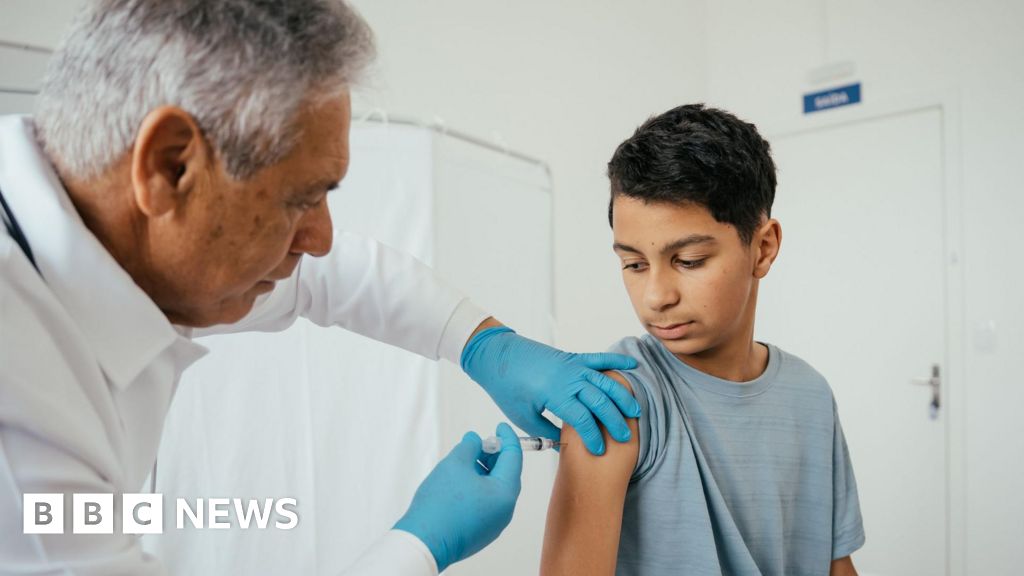
Professor Sir Andrew Pollard, a leading immunologist at Oxford University, explained the complexities to the BBC. "The B strain is more complicated because although we call it the B strain, it’s actually a collection of a very large number of different strains, some of which are covered by the B vaccine and some aren’t." The MenB vaccine is designed to offer broad protection against as many strains as possible, but it is not a universal shield.
A considerable proportion of the population, estimated to be around one in four teenagers and young people, can carry various types of meningitis B bacteria harmlessly in their nose and throat. While these individuals do not fall ill, they can transmit the bacteria to others who may be more susceptible. Crucially, the MenB vaccine has demonstrated limited effectiveness in preventing this transmission, even when it offers a good match for the carried strain. Furthermore, the duration of protection offered by the vaccine is not particularly long. These factors contributed to the Joint Committee on Vaccination and Immunisation (JCVI), the advisory body to the government, concluding that the MenB vaccine was not cost-effective for mass teenage vaccination.
In the context of an outbreak, the immediate priority is to curb further infections and prevent individuals from becoming ill. Professor Pollard elaborated, "The problem with vaccination is it doesn’t protect you immediately and it takes some time after vaccination for the immune response to kick in." He underscored the immediate necessity of measures like the antibiotic prophylaxis being offered in Kent, which protects individuals, including those who are asymptomatic carriers, from transmitting the bacteria to others. Generally, it takes a couple of weeks to achieve full protection from a vaccine, and some may require booster doses.
It is important to note that a small group of teenagers and adults are recommended to receive the MenB jab on the NHS. These are individuals with specific long-term health conditions that place them at increased risk, such as those without a spleen, or with a spleen that functions improperly, sickle cell anaemia, coeliac disease, and various immune disorders.
The financial burden of private MenB vaccination is a significant consideration for many parents. High street pharmacies typically charge around £220 for a full course of two doses. The charity Meningitis Now advocates for MenB jabs to be made available "at a fair price" and has been campaigning for wider access to this vaccine for teenagers and young people, a provision not currently met by the NHS through a catch-up campaign, unlike some other routine immunisations.
In addition to the MenB vaccine, several other childhood vaccines contribute to preventing different types of meningitis. The MenACWY vaccine, offered to 14-year-olds, provides protection against four strains of meningococcal bacteria. Individuals unsure about their vaccination history are advised to consult their GP or review their "red book," a record of childhood vaccinations provided at birth. The MenACWY vaccine is available free of charge on the NHS for anyone who missed it at school, up until their 25th birthday.
The Independent Pharmacies Association, represented by Dr Leyla Hannbeck, has reported a surge in demand for private MenB jabs, particularly in pharmacies located in Kent, following the current outbreak. This increased demand has led to stock shortages, with some pharmacies reporting depleted supplies.
Regarding the wider population’s risk, Dr Gayatri Amirthalingam, deputy director of the immunisation and vaccine preventable diseases division at the UKHSA, described the current outbreak in Kent as "unusual." However, she stated that she does not believe there is a present risk to individuals outside of the affected geographical area. "I think it’s important to stress that the cases have all been linked to a particular geographical area, in the Kent area," she told BBC Radio 4’s Today Programme. "We have no evidence of any wider spread. So it’s really important to reassure people across the country that there’s no evidence of wider spread at the current time but it’s important, in terms of vaccination, to make sure that your children are fully up to date with the vaccines that are available, and to be alert to the signs and symptoms of meningococcal disease."
The symptoms of meningitis can manifest suddenly and include fever, headache, stiff neck, sensitivity to light, vomiting, and a distinctive rash that does not fade when pressed. Students in the affected area of Canterbury are strongly advised to trust their instincts and seek medical attention promptly, without waiting for all symptoms to appear or for a rash to develop. Health Secretary Streeting reiterated, "The public health risk for the wider population remains low but we are actively contact tracing and offering antibiotic prophylaxis to those in close contact with cases. The antibiotics are really effective and it’s one course, effective in 90% of cases. So, we are actively contact tracing."


 Nakalama John
 atisusanti
 Ramos Leo