
 Roy Suryo
The UK Covid inquiry is poised to release its third report, focusing on the impact of the pandemic on healthcare systems, on Thursday. This follows two previous reports that delivered strong criticisms of the government’s preparedness and decision-making across the United Kingdom, characterising the response as "too little, too late." Between March 2020 and May 2023, when the World Health Organization declared the global health emergency over, nearly 227,000 individuals in the UK succumbed to Covid-19. The announcement of the upcoming report comes amidst threats of a judicial review from the Covid-19 Bereaved Families for Justice campaign group, citing concerns over "time-wasting." The inquiry’s remit encompasses the decision-making processes of the UK government alongside those of the devolved administrations in Scotland, Wales, and Northern Ireland. Public hearings commenced in June 2023, marking the formal beginning of this extensive investigation.
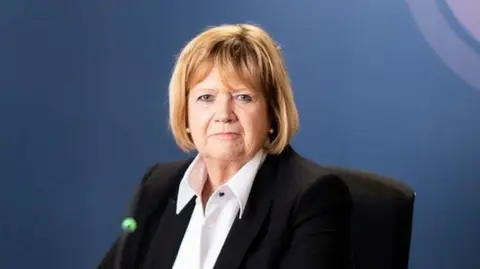
Public inquiries, established and funded by the government, are led by an independent chair and possess the authority to compel witnesses to provide evidence. While these inquiries do not assign guilt or innocence, they conclude with the publication of findings and recommendations. Crucially, the government is not legally bound to implement these recommendations. Presiding over the UK Covid inquiry is Baroness Hallett, a distinguished former judge and crossbench peer with prior experience leading the inquests into the 7 July London bombings. The inquiry’s operational costs have significantly exceeded initial estimates, with the total expenditure now surpassing £192 million. This figure represents more than a 50% increase from previous projections, placing a substantial financial burden on taxpayers. An analysis of spending as of December 2025 reveals that the inquiry itself has incurred £110.8 million in legal costs, £34 million in running costs, £28.6 million in staffing, and £14.9 million for engagement and communication. The government’s expenditure includes £56.4 million for legal costs and £44.6 million for staffing, with an additional £3.7 million allocated to unspecified "other" expenses.
The inquiry’s second report, released in November 2025, delved into political decision-making during the pandemic. It concluded that a week’s delay in implementing measures during the first wave resulted in an additional 23,000 deaths in England than would have otherwise occurred. Furthermore, the report described a "toxic and chaotic" atmosphere within the core of the UK government’s pandemic response, which demonstrably compromised the quality of advice and decision-making. Over 7,000 documents from the period have been made public, including private correspondence such as WhatsApp chats and emails, personal diaries, and confidential government files, offering an unprecedented glimpse into the inner workings of the government during this crisis.
The first report, published in July 2024, focused on the UK’s resilience and preparedness for the pandemic. Baroness Hallett stated, "Never again can a disease be allowed to lead to so many deaths and so much suffering." The report found that both the UK government and the devolved administrations had "failed their citizens," and that ministers had not sufficiently scrutinised or challenged scientific experts. It put forth recommendations aimed at reforming the government’s approach to emergency planning and enhancing national resilience against future public health threats.
Beyond the reports already published, the inquiry continues to investigate other critical aspects of the pandemic, even though public hearings have concluded. The fourth report, focusing on vaccines, is scheduled for release on 16 April 2026. Subsequent reports are anticipated in the summer of 2026, covering procurement, with further reports on the care sector and the test-and-trace system expected towards the end of that year. The remaining three reports are slated for publication in the first half of 2027, bringing the comprehensive investigation to a close.
The inquiry’s final public hearings took place in March 2026, following the examination of evidence from hundreds of witnesses. These included a wide array of individuals, from current and former politicians and civil servants to government advisers, public health experts, and representatives of bereaved families. Many witnesses offered particularly scathing assessments of Boris Johnson, who served as Prime Minister throughout the pandemic. Johnson began his initial evidence session in December 2023 with an apology for the "pain and the loss and the suffering" experienced during the pandemic. He acknowledged that mistakes were made and conceded that "there were unquestionably things we should have done differently," yet maintained that ministers had acted to the best of their abilities under challenging circumstances.
In his first appearance before the inquiry, former Chancellor Rishi Sunak offered an apology "to all those who suffered… as a result of the actions that were taken." However, he refuted claims that his "Eat Out to Help Out" scheme had contributed to an increase in infections and deaths. Prof Sir Chris Whitty, the government’s chief medical officer, and Sir Patrick Vallance, the former chief scientific adviser, both testified that they had not been consulted regarding the "Eat Out to Help Out" policy. Sir Patrick, Sir Chris, and his former deputy Prof Sir Jonathan Van-Tam also revealed that they had endured significant public abuse during their tenure.

Former Health Secretary Matt Hancock provided evidence on multiple occasions. He informed the inquiry that the UK’s pandemic strategy had been fundamentally flawed and admitted that the UK should have implemented lockdown measures much earlier. Hancock also criticised the "toxic culture" within government, attributing it to former adviser Dominic Cummings. In his own testimony, Mr Cummings described the government as "dysfunctional" and was highly critical of Johnson’s leadership style. The hearing also addressed damning text messages sent by Cummings, many of which contained offensive remarks about ministers and officials. Cummings expressed regret over the handling of his controversial trip to Barnard Castle during the initial lockdown but denied that it had eroded public trust in the government. The inquiry has also heard testimony from political leaders in Scotland, Wales, and Northern Ireland.
Groups representing bereaved families have implored the inquiry to ensure their perspectives are adequately represented throughout the proceedings, emphasizing the importance of their voices in shaping the final conclusions and recommendations.




 Nakalama John
 atisusanti
 Ramos Leo
