George Anjay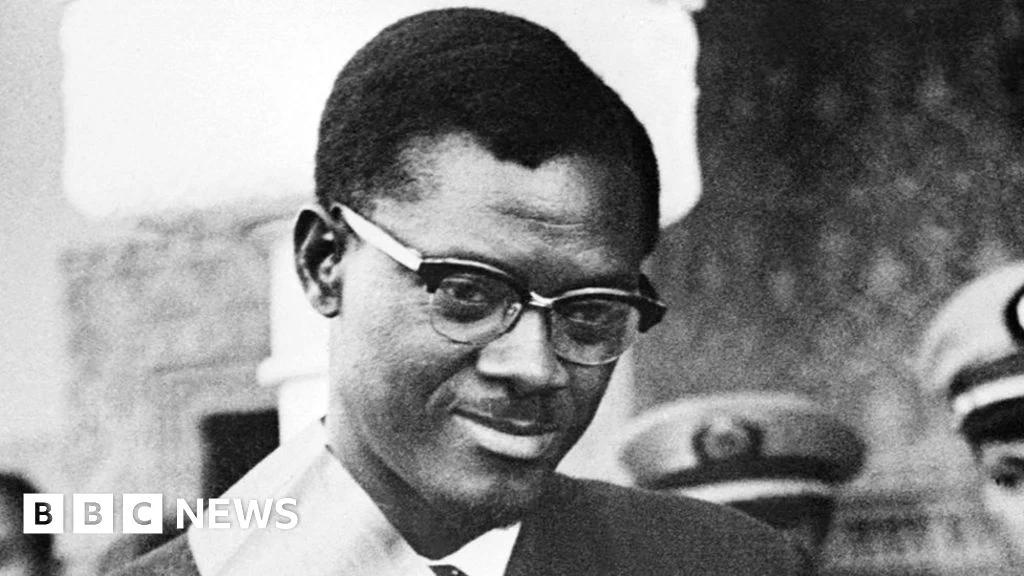
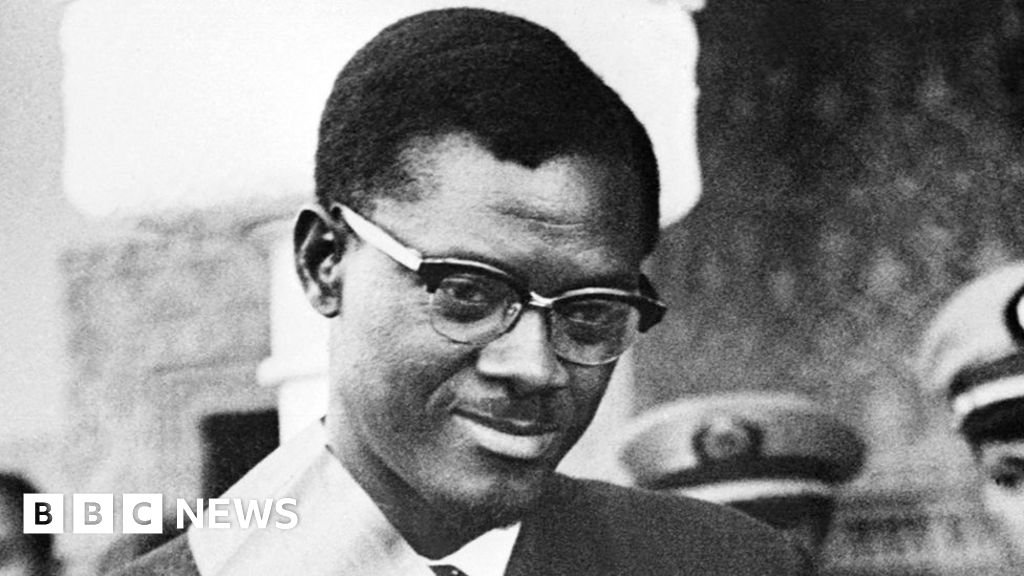
In a landmark decision that reverberates more than six decades after the assassination of Congo’s first democratically elected Prime Minister, a Belgian court has cleared the path for a trial concerning the brutal killing of Patrice Lumumba. The ruling allows for Etienne Davignon, a former Belgian diplomat now aged 93, to face justice for his alleged role in the unlawful detention, transfer, and degrading treatment of Lumumba, a pivotal figure in the African anti-colonial movement. Davignon, who was a junior diplomat at the time of Lumumba’s demise and later ascended to prominent positions including vice-president of the European Commission, is the sole surviving individual among the ten Belgians initially accused in a criminal case initiated by Lumumba’s family in 2011. The tragic end of Lumumba, executed by firing squad and his body subsequently dissolved in acid, has remained a deeply painful scar on the history between Belgium and the Democratic Republic of Congo. Belgium, the former colonial power, has in recent years acknowledged its culpability and offered formal apologies to Lumumba’s descendants and the Congolese nation, a nation now known as the Democratic Republic of Congo.
Mehdi Lumumba, the grandson of the slain leader and a vocal advocate for justice, expressed profound relief following the Brussels court’s decision, stating to the AFP news agency, "We are all relieved. Belgium is finally confronting its history." This pivotal ruling, however, is subject to appeal, indicating that the legal journey toward accountability may not yet be concluded. Lumumba’s ascent to prime minister followed Congo’s hard-won independence in June 1960, marking a new era for the nation and solidifying his position as a charismatic and influential voice in Africa’s burgeoning anti-colonial struggle. His powerful oratory and unwavering commitment to genuine Congolese sovereignty, however, quickly positioned him as an inconvenient figure for Belgium, which sought to maintain its substantial economic and political leverage over the newly independent state.
A particularly poignant moment in Lumumba’s short but impactful political career was his fiery independence day speech on June 30, 1960. Addressing Belgian dignitaries, including King Baudouin himself, a then 34-year-old Lumumba delivered a scathing indictment of Belgium’s colonial past, denouncing the "humiliating slavery" that the Congolese people had endured for generations. This audacious and principled stance, while celebrated by many Congolese, undoubtedly intensified the opposition from Belgian authorities and their allies who viewed him as a radical threat to their vested interests.
The political landscape in the Congo rapidly devolved into chaos following Lumumba’s declaration of independence. By September 1960, he was ousted from power in a coup orchestrated with significant external support. Two months later, he was captured, setting the stage for his tragic fate. In January 1961, Lumumba, alongside two of his closest associates, was executed by a firing squad. Crucially, historical investigations and testimonies have pointed to the tacit backing and direct involvement of Belgian officials and security forces in this execution, a fact that Belgium has since acknowledged in its official apologies.
Lumumba’s perceived alignment with socialist ideologies, though he consistently denied being a communist, fueled suspicion among Western powers during the height of the Cold War. The United States, in particular, viewed him with apprehension, fearing his potential to align the resource-rich Congo with the Soviet Union. A significant revelation emerged from a 1975 US Senate inquiry, which concluded that the Central Intelligence Agency (CIA) had indeed plotted to assassinate Lumumba. While this specific plot was not carried out, the inquiry underscored the intense international machinations and the deep-seated desire among global powers to control the destiny of the Congo. Ultimately, Lumumba was killed by Congolese forces acting under the influence and support of Belgian-backed factions, highlighting the complex web of complicity in his assassination.
The legal battle for justice has been protracted and arduous, spanning decades of advocacy by Lumumba’s family and their supporters. The 2011 criminal case represented a significant milestone, forcing a reckoning with Belgium’s colonial legacy and the perpetrators of Lumumba’s murder. The current ruling by the Brussels court signifies a crucial step forward, offering a glimmer of hope for accountability and a more comprehensive understanding of this dark chapter in history. The protracted nature of this legal process underscores the challenges in achieving justice for colonial-era crimes, where evidence can be scarce, perpetrators are often powerful, and the passage of time can obscure the truth.
The legacy of Patrice Lumumba continues to inspire movements for self-determination and justice across Africa and beyond. His unwavering commitment to Congolese independence and his eloquent denunciation of colonial oppression remain powerful symbols of resistance against exploitation. The ongoing legal proceedings in Belgium, while focused on individual accountability, also represent a broader societal quest for truth and reconciliation, a necessary step for both Belgium and the Democratic Republic of Congo to move forward and forge a more equitable future built on a clear and unvarnished understanding of their shared, albeit painful, past. The potential trial of Etienne Davignon, should it proceed, will undoubtedly bring renewed attention to the complex historical circumstances surrounding Lumumba’s assassination and the enduring quest for justice for victims of colonial violence.




 Nakalama John
 Ramos Leo
 Nana Banana