
 Roy Suryo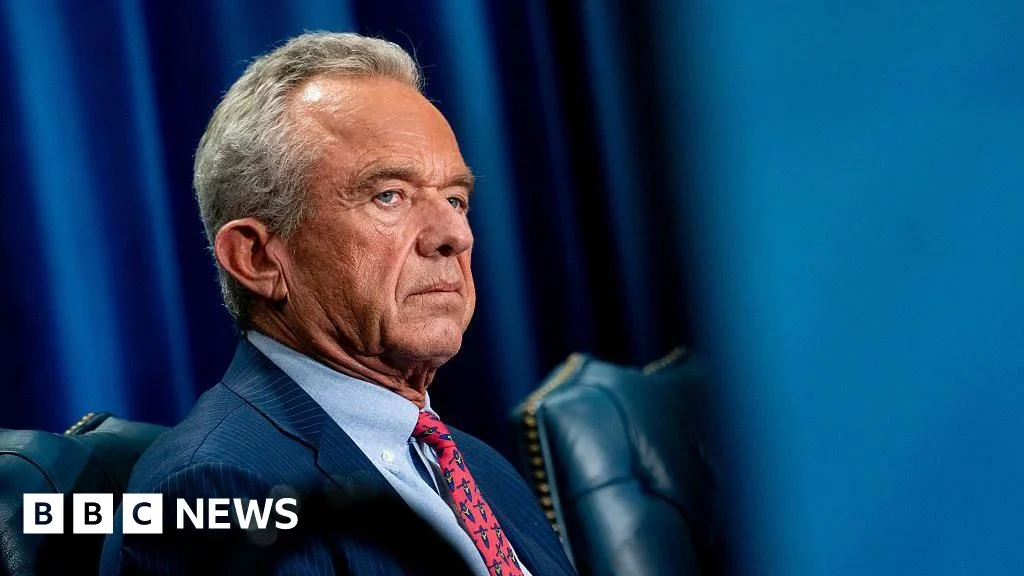
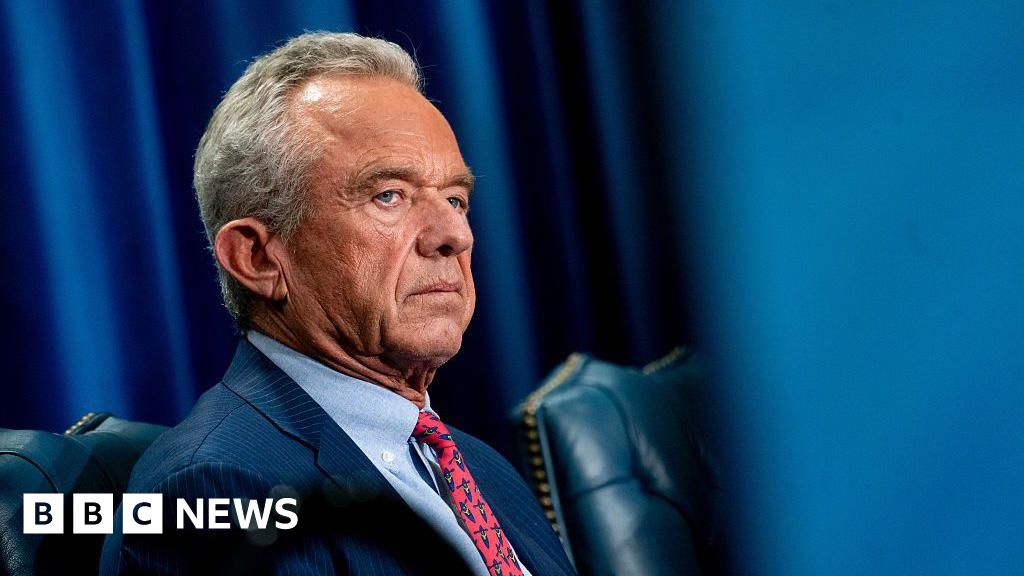
A federal judge has issued a significant ruling, halting the US government’s controversial overhaul of the national childhood immunization schedule, a move seen as a major setback for Health Secretary Robert F. Kennedy Jr.’s agenda. The decision, handed down on Monday, sides with a coalition of prominent medical organizations that argued Kennedy’s sweeping changes, implemented shortly after he assumed office a year ago, violated federal law and threatened public health. These changes included a dramatic reduction in the number of recommended childhood vaccines, from 17 down to 11, and the suspension of numerous advisory panel members who were replaced with individuals holding skeptical views on vaccine safety.
The lawsuit, spearheaded by the American Academy of Pediatrics and joined by other influential medical bodies such as the American Medical Association, contended that Kennedy’s administration had bypassed established scientific and legal procedures in revising the vaccine recommendations. Judge Brian Murphy of the US District Court for the District of Massachusetts agreed, finding that the government had moved away from the scientifically grounded decision-making processes that are legally mandated for the Advisory Committee for Immunization Practices (Acip). This committee, an essential body comprised of external experts, advises the US Centers for Disease Control and Prevention (CDC) on vaccine recommendations for the American public.
Judge Murphy’s 45-page ruling specifically cited the administration’s failure to adhere to rigorous screening processes for appointing new members to the Acip, and more broadly, the circumvention of the committee’s established role in policy development. "Unfortunately, the Government has disregarded those methods and thereby undermined the integrity of its actions," Murphy wrote, emphasizing that Kennedy had not employed the "rigorous screening" typically involved in selecting panel members. The judge further stated that the Trump administration had, in essence, bypassed Acip entirely for certain changes to the vaccine schedule, labeling this a "technical, procedural failure."
The implications of this ruling are far-reaching. A scheduled meeting of the Acip, slated for Wednesday, has been postponed by the Department of Health and Human Services (HHS), as confirmed by an HHS spokesman. This postponement underscores the immediate impact of the judicial intervention on the government’s ability to implement its revised vaccination policies. The Trump administration, however, has signaled its intent to appeal the decision. HHS spokesman Andrew Nixon expressed confidence that the ruling would be overturned, stating the agency "looks forward to this judge’s decision being overturned just like his other attempts to keep the Trump administration from governing."
Medical groups that brought the suit lauded the judge’s decision as a crucial victory for public health. The American Medical Association, representing a vast number of physicians across the United States, called it "an important step toward protecting the health of Americans, particularly children." The lawsuit challenged not only the reduction in the number of recommended vaccines but also other significant shifts, such as altering the long-standing recommendation for all newborn babies to receive a hepatitis B vaccine.
Prior to the court’s intervention, Kennedy’s tenure at HHS was marked by a series of decisive actions aimed at reshaping vaccine policy. Upon taking the helm, he initiated a significant overhaul of the Acip, dismissing all existing members and replacing them with individuals whose public statements often reflected vaccine skepticism. This move, coupled with the reduction in the recommended vaccine schedule, sparked considerable concern and confusion among parents, healthcare providers, and public health officials. The potential impact on insurance coverage for vaccinations, which have long been considered a cornerstone of preventative public health, also became a pressing issue.
In response to the government’s new policies, respected medical organizations have issued their own independent recommendations, asserting that the revised schedule is not grounded in scientific evidence and could potentially endanger children’s health. Furthermore, several states have begun to coordinate efforts to encourage healthcare providers to adhere to the pre-Kennedy immunization schedule, signaling a growing rift between federal directives and state-level public health strategies. The legal battle initiated by the medical groups highlights a deep division over the scientific basis and procedural integrity of vaccine policy in the United States, with the judge’s ruling providing a temporary but significant reprieve for those advocating for the established vaccination protocols. The case underscores the critical role of scientific consensus and legal frameworks in shaping public health interventions, especially those concerning vulnerable populations like children. The controversy also brings to the forefront the influence of individuals with a history of vaccine skepticism in shaping public health policy, raising questions about the balance between differing viewpoints and established scientific evidence. The ongoing debate and the anticipated appeal suggest that this legal and public health battle is far from over, with profound implications for childhood immunization practices in the years to come. The ruling has reinforced the importance of transparent, science-based decision-making processes within governmental health agencies and has provided a crucial moment for public health advocates to reassert the value of comprehensive vaccination programs.




 Nakalama John
 atisusanti
 Ramos Leo
